Start With Pan Size and Wall Consistency
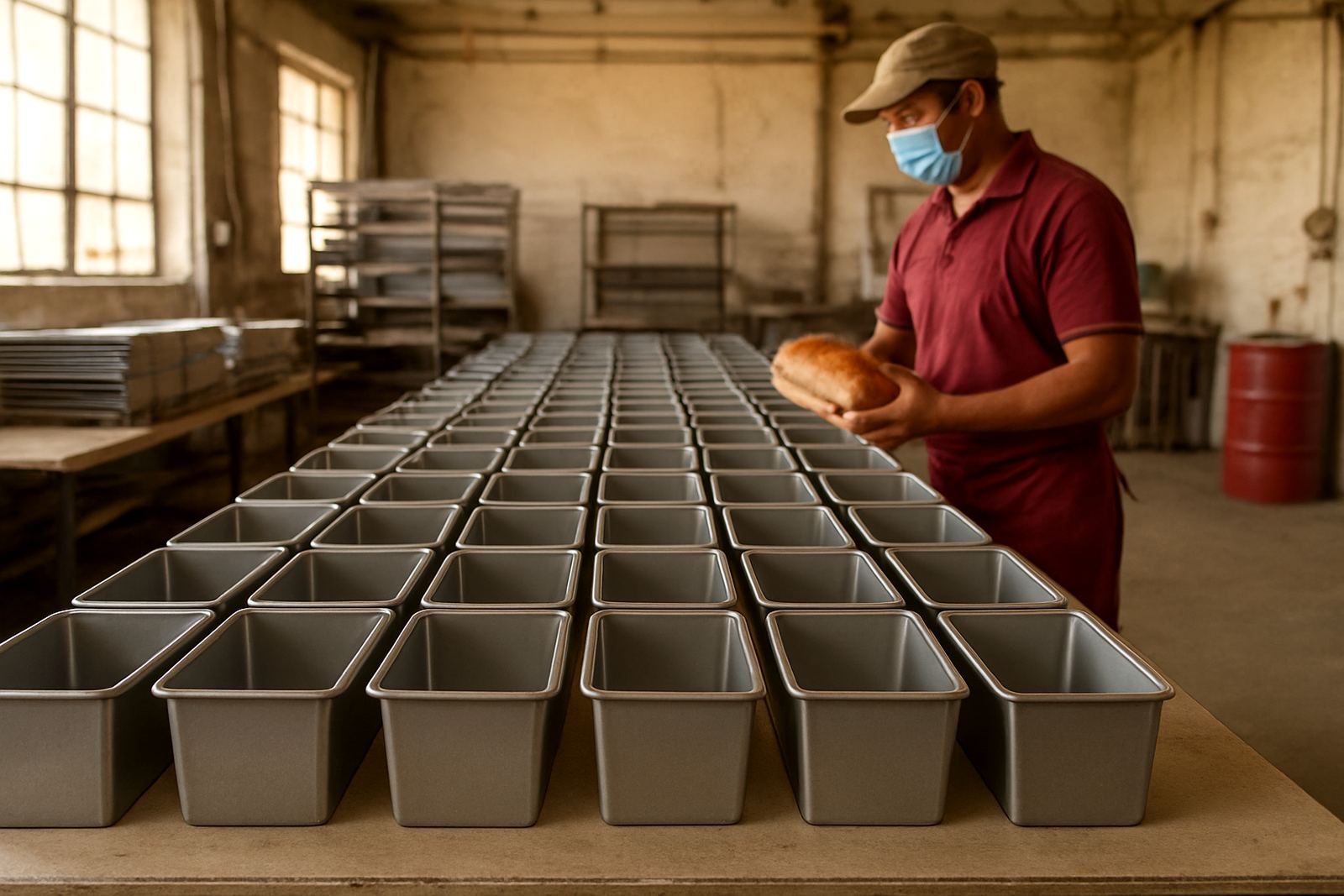
Uniform loaves begin before the dough goes in. If one pan is slightly wider, deeper or twisted from heat, that loaf will spread differently and bake at a different pace. In a bakery running early morning white loaves and seeded tins in the same shift, small pan differences show up as uneven crowns and odd crust colour.
Check that every pan in the batch matches the same internal size, side height and corner shape. For BO3, BO4 and BO5 bread pans, even a few millimetres can change how the dough sits. A consistent wall thickness also helps the heat move through each pan at the same rate, which matters when the oven load is full and the room is hot from production. In Alrode and nearby factory areas, many bakeries run mixed shifts and cannot afford one set of tins giving a lighter bake than the next.
- Use the same pan size for the full batch, not mixed replacements.
- Inspect for warping, dented corners and uneven rims before loading.
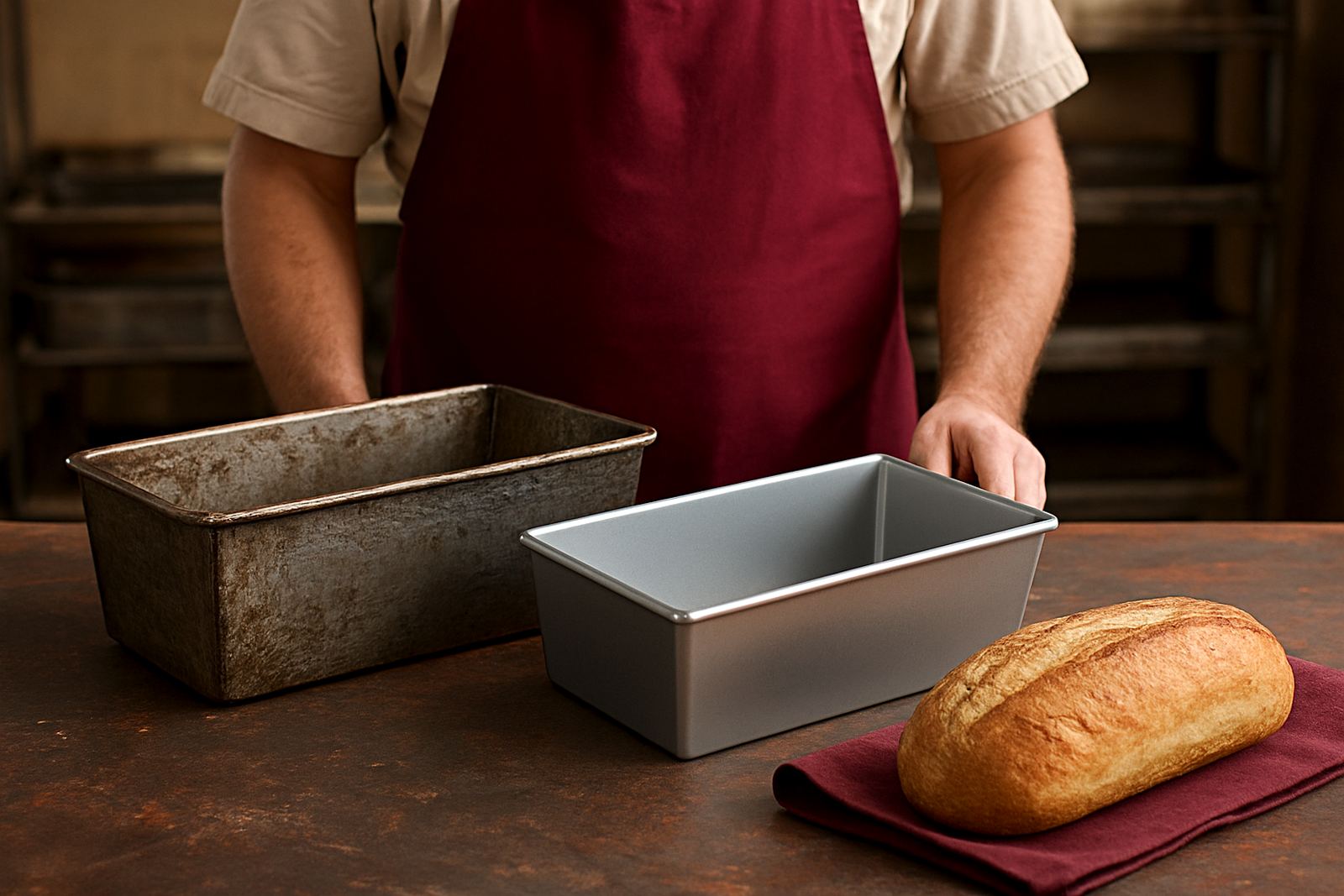
- Keep older pans separate if they have worn thinner than the newer set.
- Match lid fit carefully where closed loaves need a level top.
Why Lid Fit Changes the Shape of the Loaf
Lids are not only for keeping the top flat. They control how the loaf expands, where the steam goes and how much crown the final bake will have. If the lid sits too loose, one side may lift first and the loaf will lean or dome unevenly. If it is too tight, you can get a compressed top and a heavy crumb near the upper edge.
For bakers supplying shops in Germiston, Boksburg or Soweto, a good lid fit keeps the product looking the same from tray to tray and rack to rack. It also helps when staff rotate between shifts, because the pan behaves the same every time. That reduces calls from packers who are trying to sort out which loaves are ready for slicing and which need another minute or two.
- Check lid seating on a flat surface before production starts.
- Look for gaps at the ends and along the sides.
- Replace bent clips, loose hinges or damaged edges early.
- Keep a sample pan and lid pair as the standard for comparison.
Use Tray Perforation to Keep Heat Even
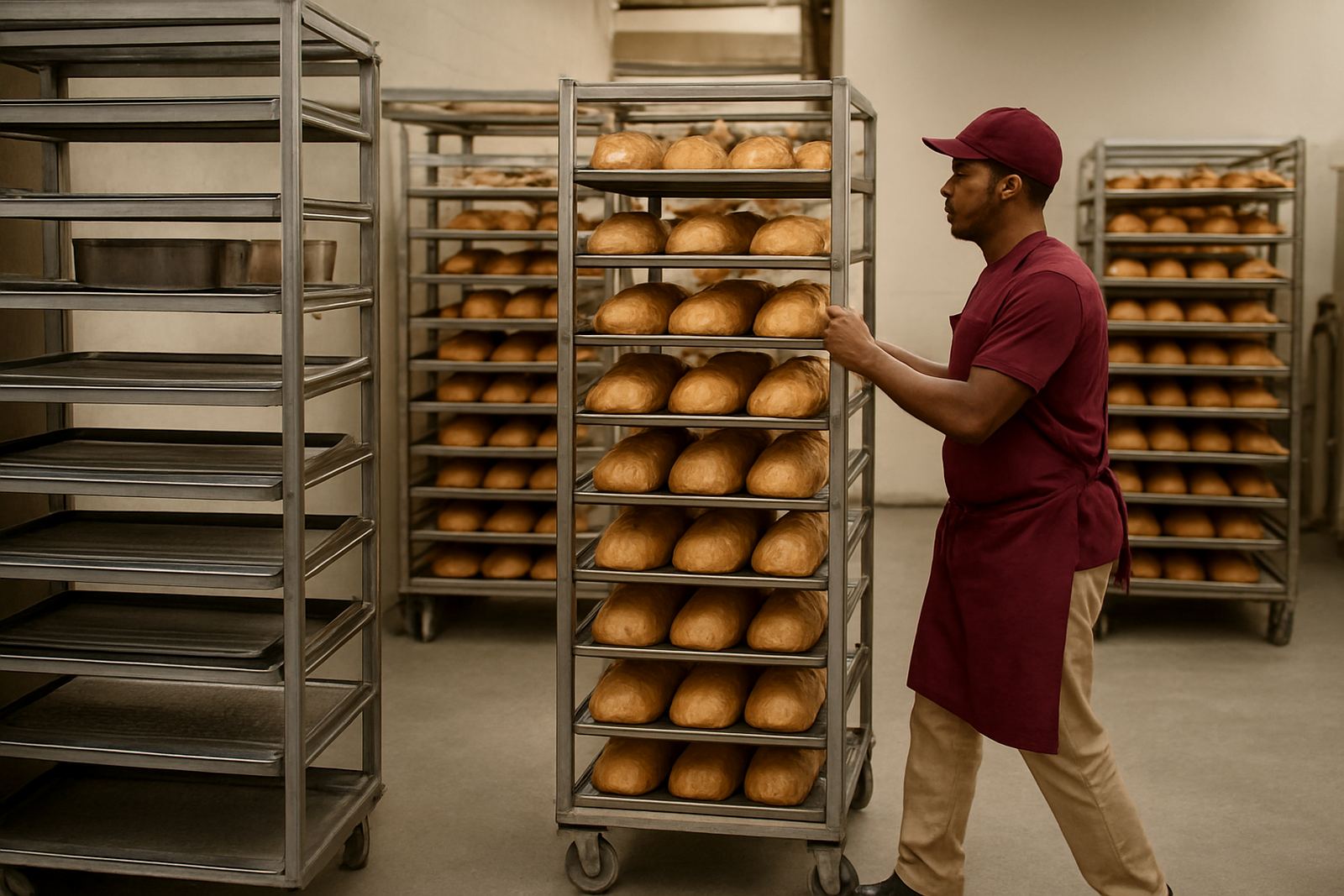
Perforated trays are useful when you want better airflow under the dough or around proofed pieces. That matters in humid weather, especially on the coast, but it also helps inland when a bakery is fighting uneven oven recovery after a large batch goes in. Better airflow can reduce soggy bottoms and improve base colour across the rack.
With baguette trays, the perforation pattern and slot spacing influence how evenly each stick bakes. If one side gets stronger heat transfer than the other, you can end up with loaves that look fine on top but are pale below. A tray that is formed properly and punched consistently gives the oven a fair chance to heat each loaf the same way.
- Use the same tray pattern for the whole batch where possible.
- Avoid mixing solid trays and perforated trays in one production run.
- Keep tray edges straight so loaf position stays centred.
- Clear flour build-up from perforations so airflow is not blocked.
Match the Dough Weight to the Pan, Not the Other Way Round
One common cause of uneven loaves is forcing the recipe to suit whatever tin happens to be available. If the dough weight is too high for the pan, the loaf will mushroom. If it is too low, you get flat tops and inconsistent slice count. The goal is a steady relationship between dough mass, proof height and pan volume.
A bakery in Johannesburg South may be running a tight production schedule and cannot afford trial and error on every batch. That is why copy-built pans and measured replacements are worth the effort. Once the pan is matched to the dough weight, the team can standardise scaling, proof timing and bake time. It saves labour, reduces waste and keeps the display shelf looking orderly when the first delivery goes out after load shedding has shifted the morning routine.
- Record the dough weight for each pan size and stick to it.
- Test proof height with one sample before loading the full batch.
- Do not overfill a pan just to avoid using a smaller tin.
- Keep notes on bake time, crust colour and slice yield.
Heavy Gauge Builds Help When Production Is Busy
Thin pans can work for light duty baking, but in a busy plant they often distort sooner. Once a pan starts to bow, each loaf sits differently and the batch loses its uniform look. Heavy gauge builds hold their shape better over repeated heating, cooling and washing, which is useful where pans go through hard daily use.
This is especially practical for bakeries doing batch reorders or prototype runs. A stronger build keeps the sample closer to the production version, so the final product does not drift when the order scales up. It also helps in damp storage rooms or near wash-up areas where mild steel can wear if it is not cared for. Good handling still matters, but a heavier build gives you more consistency over time.
For factory managers, the cost of replacing damaged pans, reworking rejected loaves and stopping the line adds up quickly. A pan that keeps its shape supports better output than one that needs constant straightening.
A Local Example From Alrode to Midrand
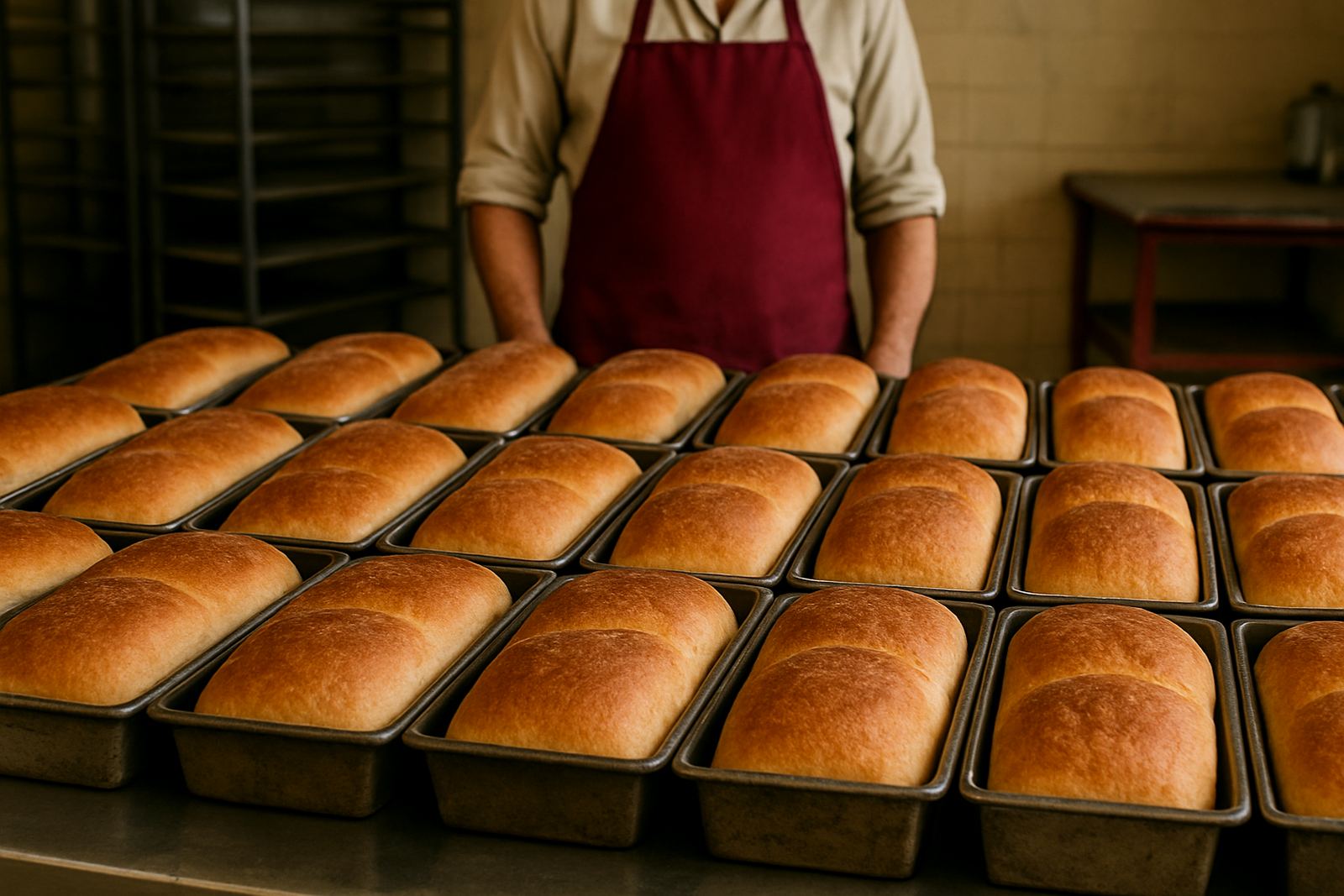
One Johannesburg South bakery supplying schools and corner shops between Alberton, Germiston and Midrand had a simple problem. Their white loaves looked fine early in the week, then the same batch started showing one side higher than the other by Friday. The cause was not only the dough. The line was using a mix of older pans, a few repaired lids and trays that had lost shape after repeated handling.
Once the pans were copied to one standard size, the lids were fitted properly and the tray set was separated into matched groups, the batch looked more even. The slicers worked better too because the loaves came out with the same height and end profile. That kind of change matters when dispatch is loading for multiple suburbs and the customer expects the same loaf in every crate, not one batch that needs sorting by hand.
- Keep matched pan sets together from proofing to dispatch.
- Label older or repaired items so they are not mixed in by mistake.
- Ask for factory consultations if the same loaf keeps drifting out of spec.
- Use prototype runs before committing to full batch production.
Simple Checks That Help Every Shift
Loaf uniformity is not only about equipment, but good bakeware takes a lot of pressure off the team. A short start-of-shift check can catch pan wear, lid issues and tray damage before the oven is loaded. That is worth doing whether the bakery is small and local or producing for several areas at once.
Make the check part of the routine: confirm pan size, confirm lid fit, confirm tray shape and confirm the dough weight against the standard. If the answer changes from one shift to the next, the loaves will too. The aim is simple, keep the batch behaving the same way every time so the oven, slicer and packing table are not fighting each other.
- Inspect sample pans daily and replace bent items early.
- Store tins flat so they do not twist under weight.
- Keep the same bakeware set for the same product line.
- Log any change in loaf shape, crust colour or slice count straight away.