Start with the exact item you need made
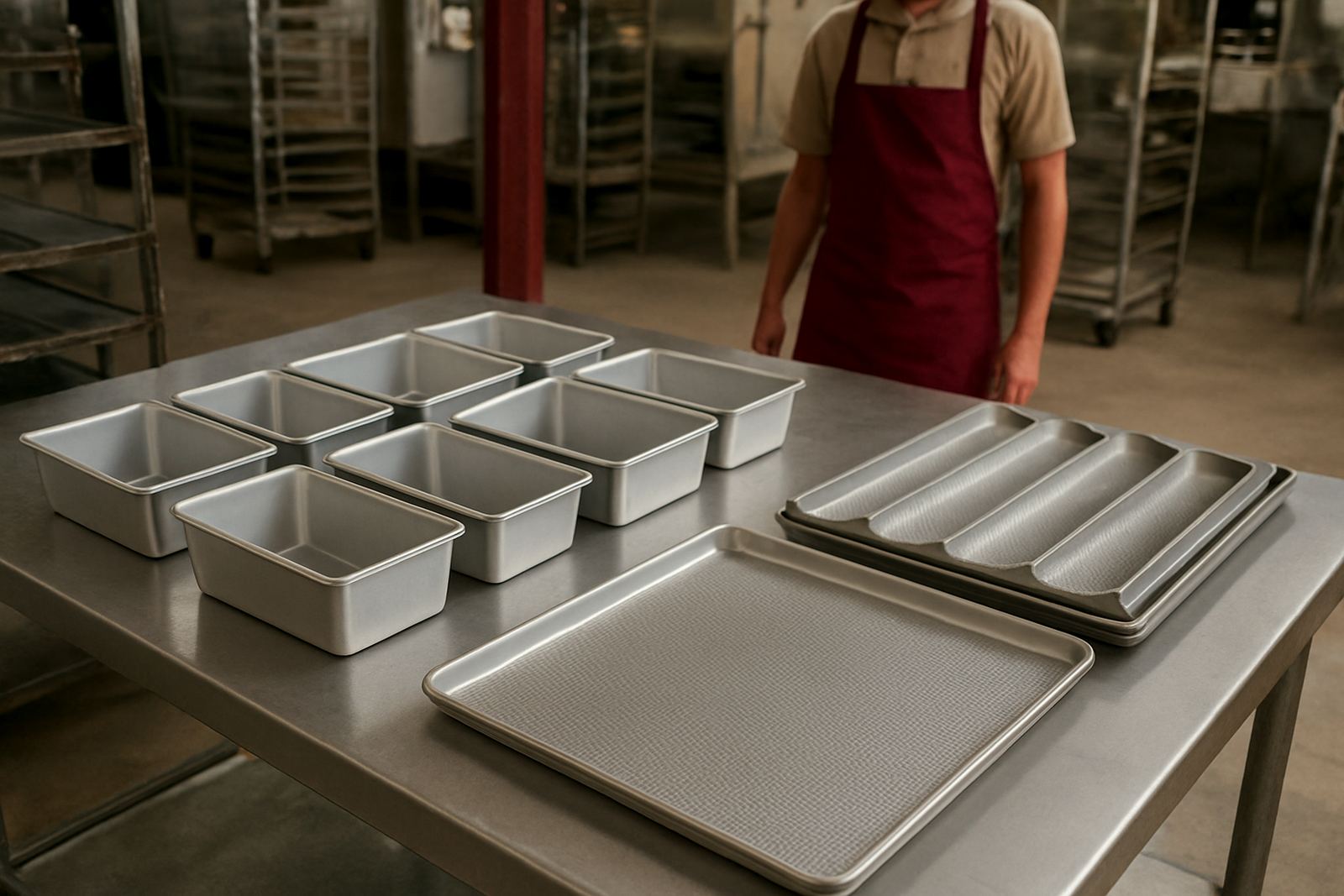
The first thing to state is what you want manufactured. A bread pan is not the same as a lid, and a perforated tray is not the same as a solid tray. If you are after BO3, BO4 or BO5 pans, say so clearly, then add whether you need lids, inserts or matching trays as well. That helps us avoid quoting the wrong article and asking for corrections later.
For a clean start, give the item name, the quantity and the finish you need. If it is for daily bakery use in a hot kitchen, say that too. A pan for a Soweto production line that runs through load shedding has different wear concerns to a tray for light use at a small Alberton bakery.
Measurements matter more than guesswork
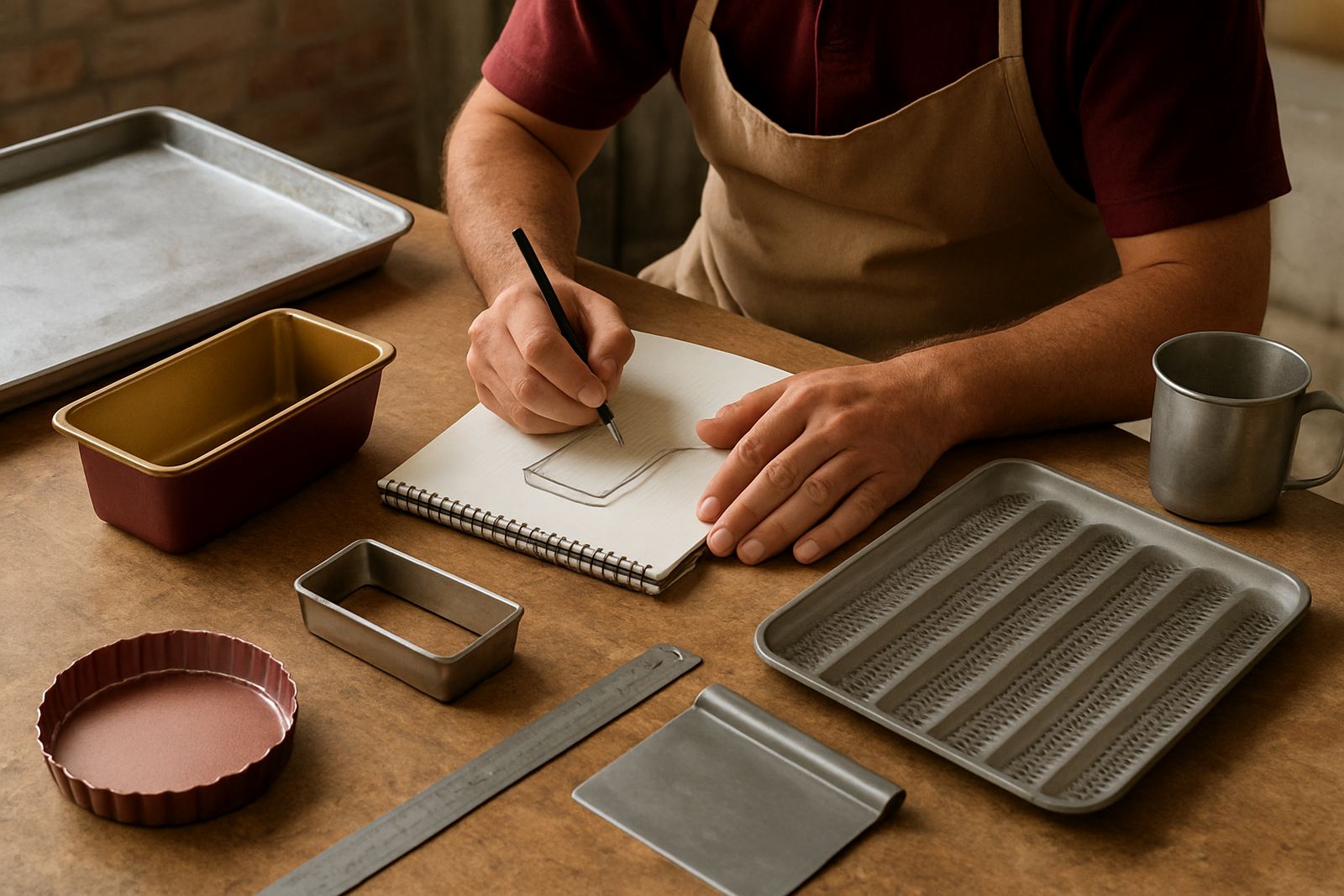
Sizes are the core of any custom tin brief. Send internal dimensions, external dimensions, depth, lip detail and any spacing between cavities or forming sections. If you only have an old sample, say that and we can work from the piece. When a client in Germiston sends a rough width only, the result can be a tray that fits the oven door but not the rack guides, which wastes time.
- Overall length, width and depth
- Internal opening size if product fit is important
- Material thickness if you know it
- Rim, flange or rolled edge detail
- Any tolerances that matter for stacking or nesting
If you do not know every figure, send what you do know. A photo with a tape measure in frame is often more useful than a long description with no numbers.
Tell us what the tin must do in your bakery
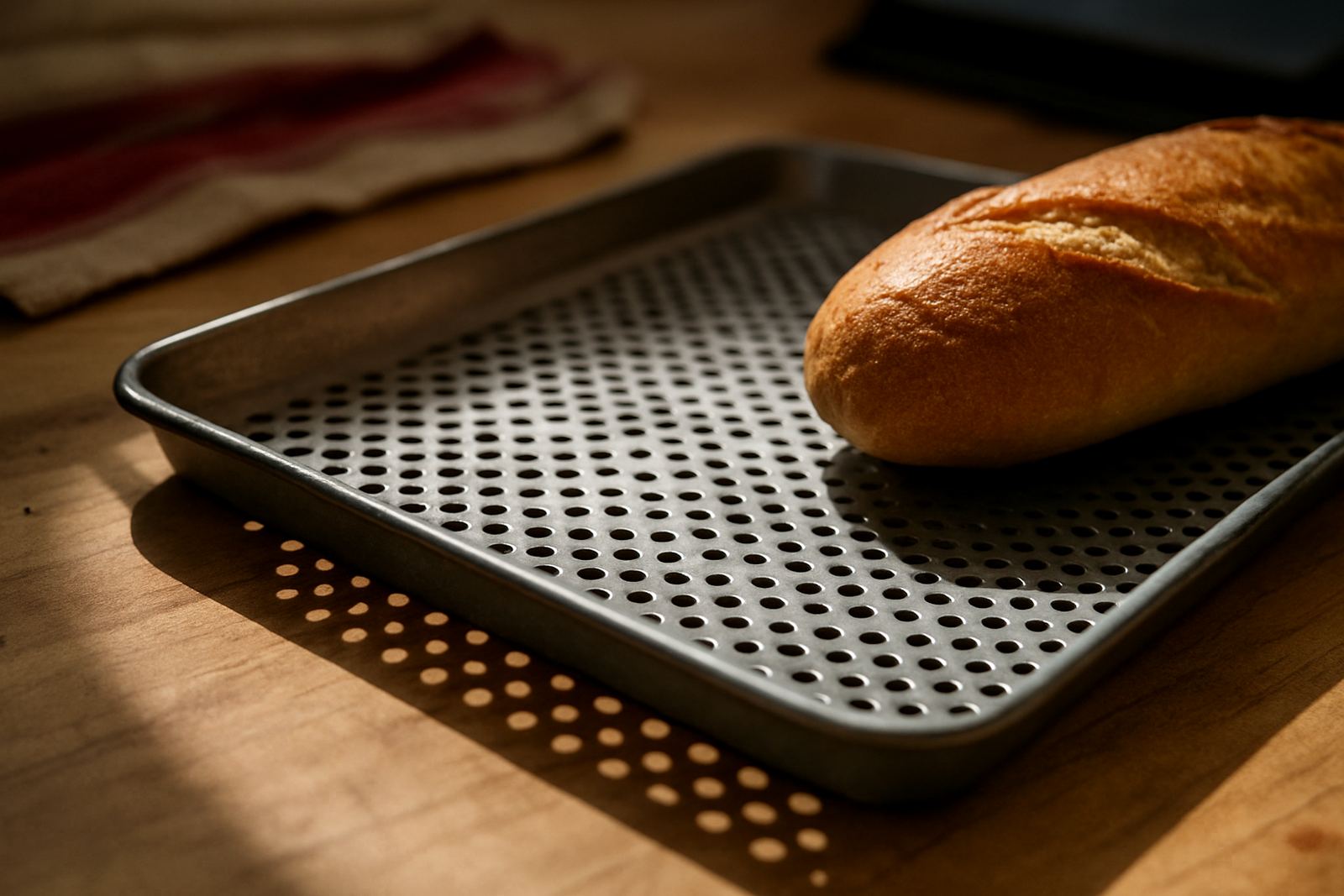
The same-looking pan can serve very different jobs. One bakery may need deep pans for sandwich loaves, another may want lighter tins for quick turnover on roll lines, and a third may need perforated trays for crustier product. If you are making baguette trays, state whether you want full-form channels, open support, or a perforated base for better airflow.
Explain the process around the tin as well. Will it go straight from the proofer to the oven, or sit in a cold room first? Is the tray moved by hand, on a rack, or on a conveyor? These details affect stiffness, handle points and whether a heavier gauge is worth it. In coastal humidity, for example, a bakery in Boksburg or closer to the coast may want to think carefully about cleaning and storage, because moisture changes how fast tins lose condition.
- Product type and loaf weight
- Oven type and rack size
- Daily use, weekly use, or batch production
- Whether tins must stack or nest
- Need for vents, perforations or divider inserts
Bring a sample, photo or old drawing if you have one
Copying an existing pan or lid is often the quickest route when you want a replacement or a matched batch. A worn sample can still be useful if we can measure the body, seam, fold and lip. If the original came from another workshop years ago, bring it in anyway. Even a bent or dented item gives us a starting point.
Photos help when the sample is not easy to transport. Take one side-on, one from above, and one close up of any lock, fold or handle detail. A short note saying where the tin has failed is also useful. For instance, if the corners split after repeated use, we can look at a heavier gauge or change the bend radius. That saves a customer from replacing the same item again in six months.
State quantity, timing and reorder pattern upfront
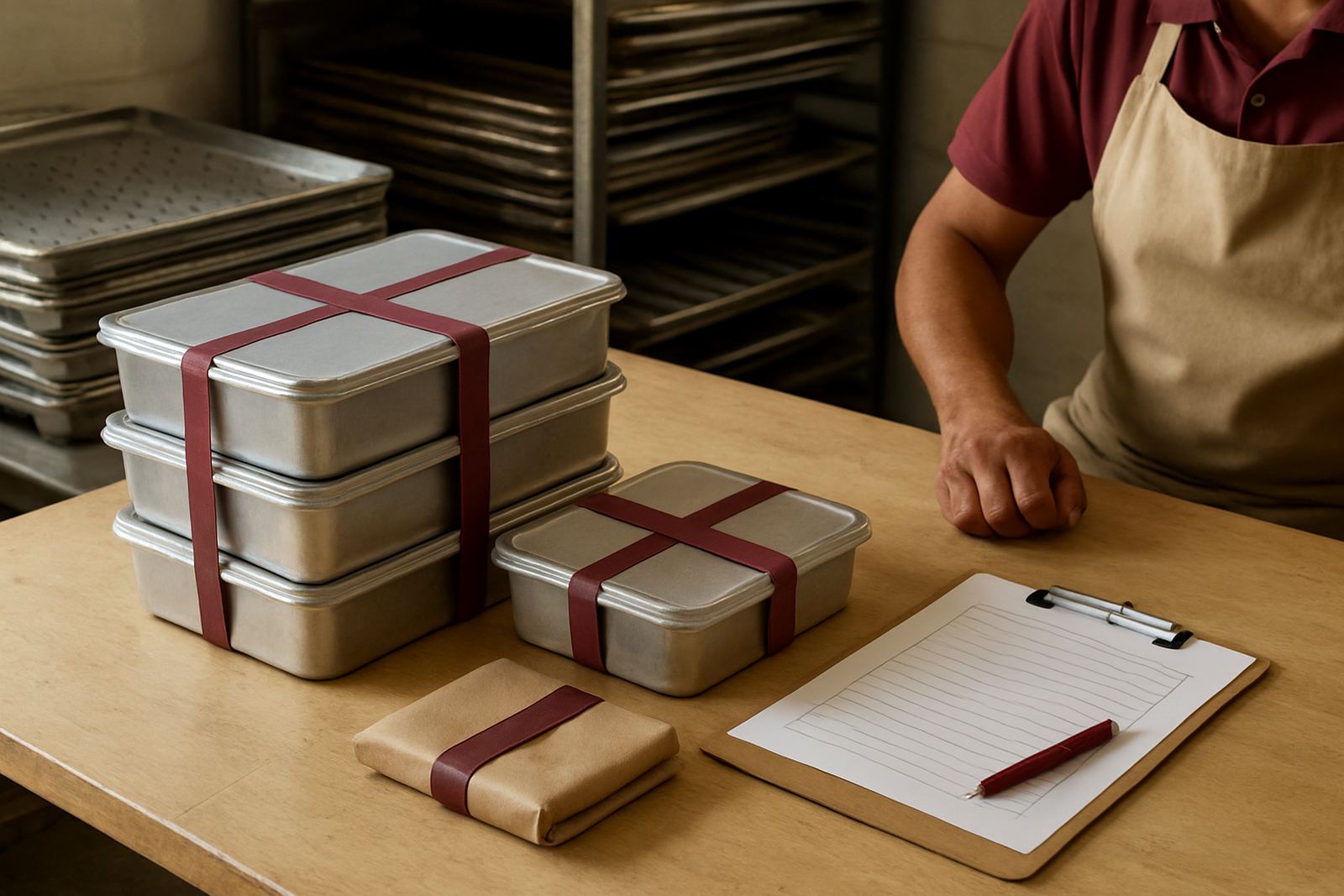
Quantity affects price, lead time and how the job is set up in the factory. One off prototype runs are handled differently to repeat batch orders. If you need 10 tins now and 60 more next month, say that from the beginning. It helps with material planning and gives a better idea of whether batch matching will matter.
Timing matters too. If your current stock is running low in Midrand or Alberton, say how many weeks you have left before you run out. That allows us to plan the cutting and forming sequence properly. If the order is for a new branch opening, include the date you need stock on site. Dispatch can then work out collection or delivery in good time, rather than trying to force a rush that causes mistakes.
- First order quantity and expected reorder quantity
- Delivery date or collection date
- Whether the same spec will be repeated
- Any emergency stock needed before full production
Mention the practical details that change the build
Small details often decide whether a custom tin works properly. If the pan needs a lid that sits snug, say how tight it must fit. If the tray must survive rough handling in a busy bakery, ask for a heavier build. If your team uses divider inserts for rolls or shaped dough, give the insert count and spacing so the layout comes out right the first time.
Also mention any site limits. Some factories have narrow doors, some bakeries have compact ovens, and some municipal areas have strict waste and cleaning habits. If tins must be easy to wash and dry because the site has limited water pressure or controlled cleaning times, say that. It sounds minor but it changes the finish and the way the item is fabricated.
A simple Johannesburg South example
Say a bakery in Alrode wants 40 standard bread pans, plus lids for half of them and 20 perforated baguette trays. If the brief only says "need pans and trays", the quote will need follow up. If the brief says BO4 size, quantity split, whether the trays must fit existing racks and whether the pans will be used daily on a high output line, the workshop can price material and labour properly from the start.
That is the difference between a quick turnaround and a week of messages. For a customer running production in Alberton or Soweto, it can mean getting the order in before a busy weekend and avoiding gaps on the shelf. Clear information does not just help the quote, it helps the bakery keep baking.