Start with the order against the drawing, not the memory
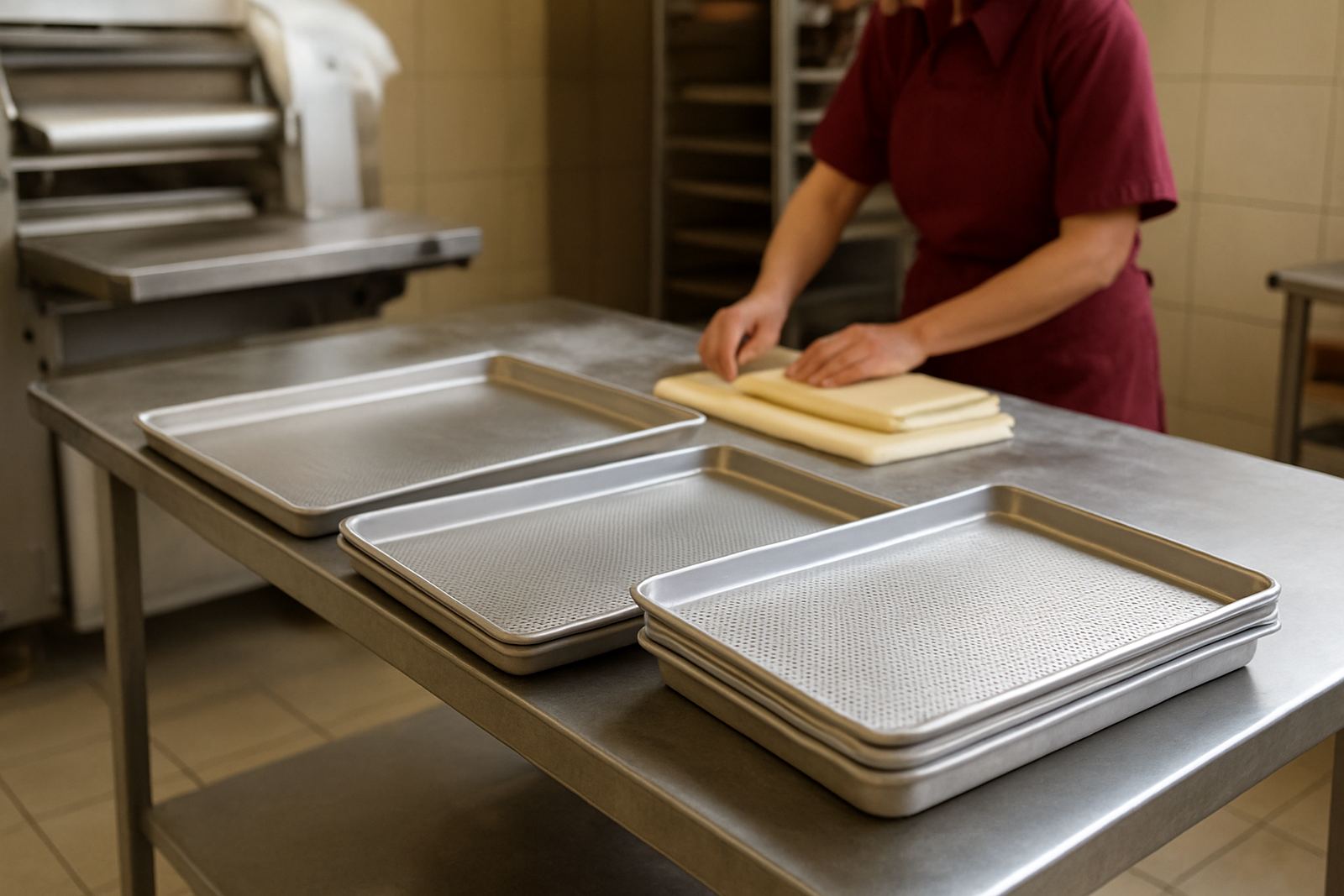
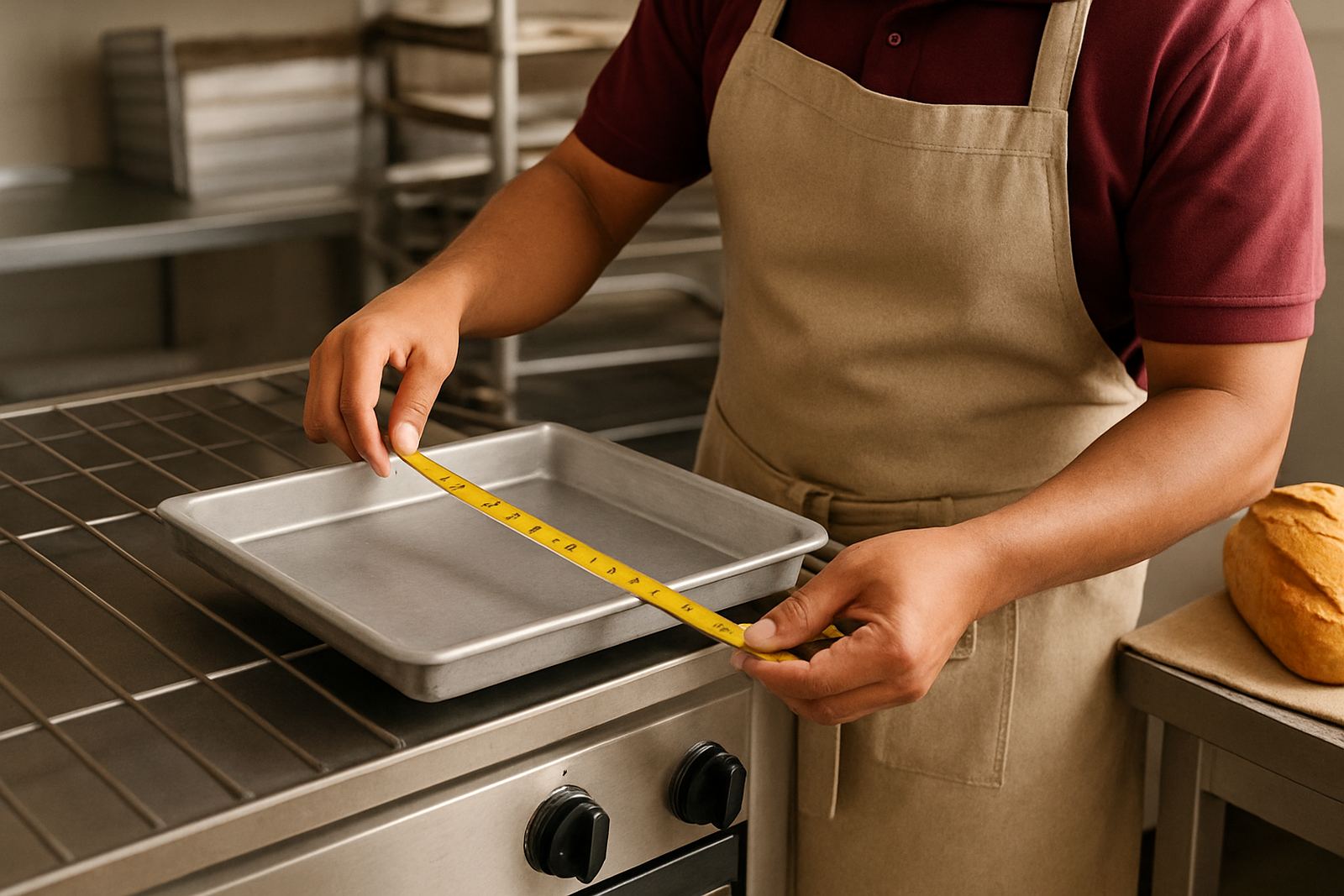
Before anything is packed, compare the job card, quotation and approved measurements line by line. This matters when you are running BO3, BO4 or BO5 pans, lid sets, perforated trays or baguette trays, because a few millimetres can change how the line fits into a prover or oven rack.
In Alrode and Germiston we see the same problem often enough: someone remembers the order as 600 mm, but the signed spec says 595 mm. That 5 mm is enough to stop a batch from stacking properly. Check quantity, size, gauge, finish and whether the item is for a copy run, a prototype run or a batch reorder.
- Match item code, size and quantity
- Check whether lids, inserts or paired trays are included
- Confirm gauge and material finish
- Note any special fitting or copying instructions
Inspect the build quality before packing
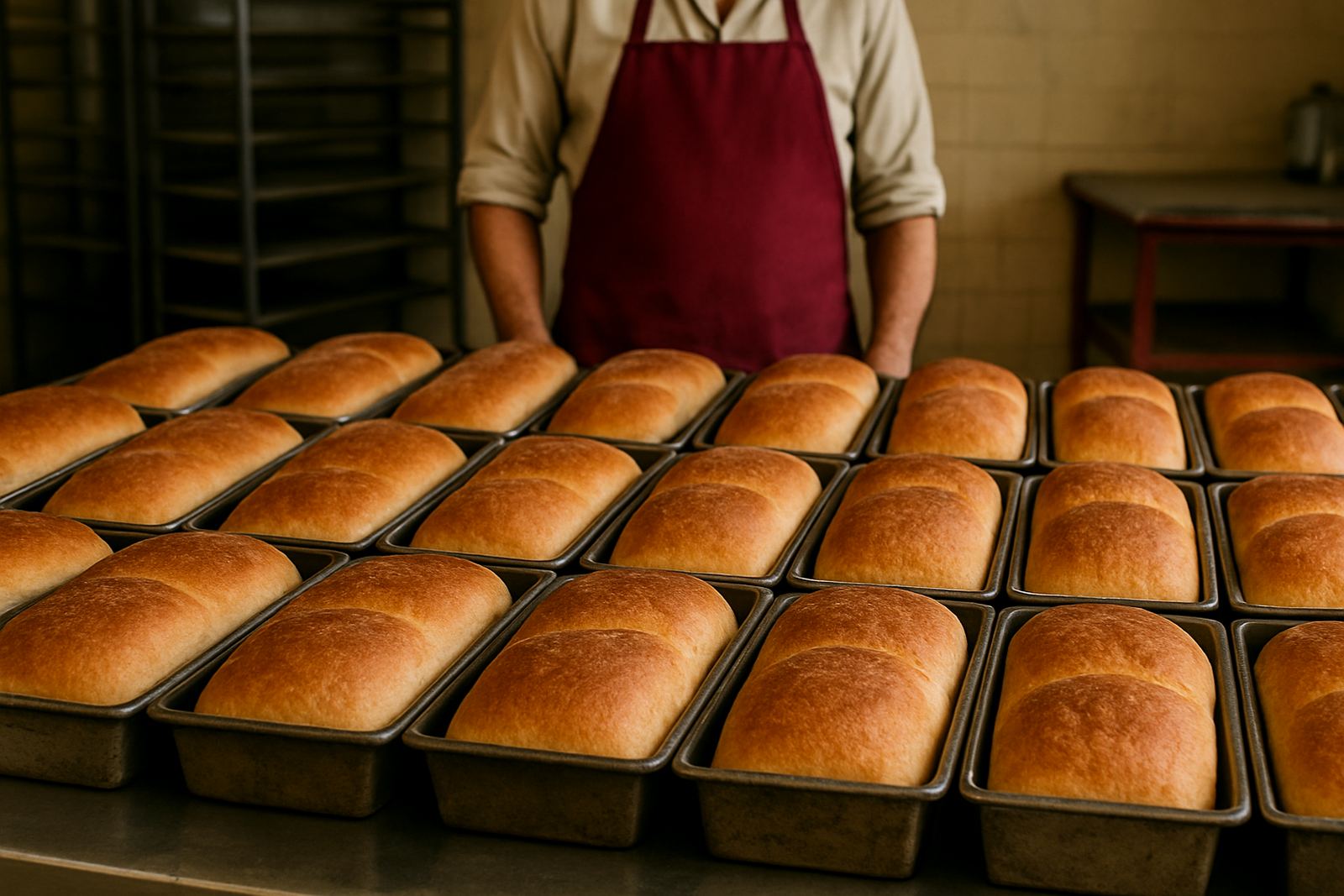
Dispatch day is the last chance to catch a loose weld, a sharp edge or a tray that has not formed square. For bakery equipment, finish matters because the pan must release bread cleanly and survive regular washing, stacking and heat cycles. If the site is coastal, moisture can also show up fast on poor prep, so dry packaging and clean handling are important.
Look at weld points, folded edges, perforations and the flatness of the base. If a lid is part of the order, test the fit on the matching pan rather than assuming it will sit correctly. One loose lid in a truck load can scratch a whole stack.
- Check for sharp edges and uneven corners
- Test lid fit and stacking alignment
- Inspect perforation spacing on vented trays
- Make sure grease or metal swarf has been cleaned off
Count every piece in the load, not just every bundle
A full order can look complete from across the loading bay and still miss two pans or an insert pack. Count by piece, then by bundle, then by pallet or trolley. This is especially useful for Gauteng bakery groups doing a multi-site run between Johannesburg South, Soweto and Midrand, where one missing tray can hold up a whole line start-up.
Write the count on the packing slip, then have a second person confirm it. If an order includes divider inserts, mixed tray sizes or spare lids, list those separately. It saves phone calls later and gives the receiving team a clean record to sign.
- Count individual units first
- Separate mixed sizes into marked groups
- Record spare parts and inserts on the slip
- Have dispatch and production both sign off
Pack for truck movement and site handling
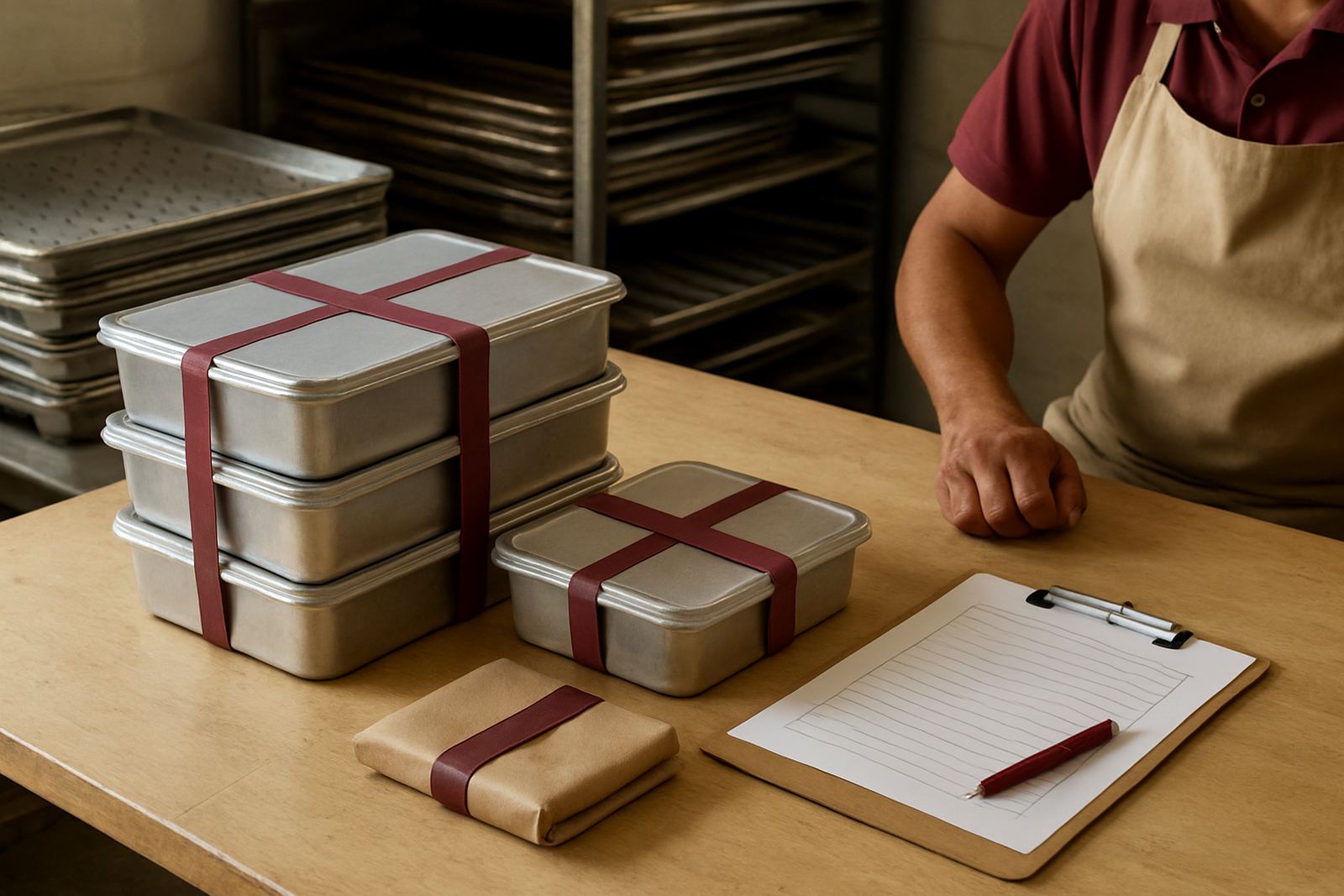
Once the order is counted, think about how it will move from the factory floor to the bakkie, truck or offload area. Bread pans and trays can shift in transit, so use strapping, corner protection and stable stacking. Heavy gauge builds need proper support because a load that slides in Germiston traffic can bend a tray edge before it ever reaches the bakery.
If the delivery is going to a working bakery, label each bundle by area or line, for example oven room, proofing room or spare stock. That small step helps the site crew unpack in the right order and keeps the receiving bay tidy. A neat load is easier to check against the paperwork and faster to offload.
- Use straps and edge protection where needed
- Keep similar items grouped together
- Label bundles for the receiving area
- Leave enough access for offloading and inspection
Confirm site notes before the truck leaves Alrode
Delivery and collection notes should cover access, timing and who will sign for the order. If the site has height limits, narrow gates, loading bay rules or municipal delivery restrictions, say so early. Some locations in Alberton or Boksburg will only accept trucks at set times, and a late arrival can mean the load sits outside longer than planned.
It also helps to confirm whether the customer needs delivery onto site, collection from the gate, or a handover at the loading dock. The more specific the note, the fewer calls there are on the day. Keep the contact name and number on the dispatch note too, in case the receiving team changes shift.
- Confirm collection or delivery time
- Check access points and offloading rules
- Record the signing contact and number
- Note any special handling for large or heavy items
Local example: a bakery line change in Midrand
A Midrand bakery once ordered a mixed set of pans and perforated trays for a line change before a weekend production run. The team had the right quantities on paper, but the receiving supervisor needed each bundle marked by oven bank and tray type. Because the dispatch team checked the order twice and labelled every stack, the offload took less than half an hour and the line was ready before the first shift.
That kind of handover is what a good dispatch day is really about. It is not only making sure the item exists, it is making sure the right item reaches the right place in the right condition, with no extra sorting on site.
If the order is heading to a bakery in Soweto, Germiston or right back into Alrode, the same rule applies: clear labels, clean counts and one final check before the truck rolls out.