Start With The Oven Chamber, Not The Old Tray
Many bakeries work from an old tray and assume the next batch must be the same size. That is where problems start. Ovens settle over time, rails get bent, and replacement trays from different runs can vary by a few millimetres, which is enough to cause a tight fit.
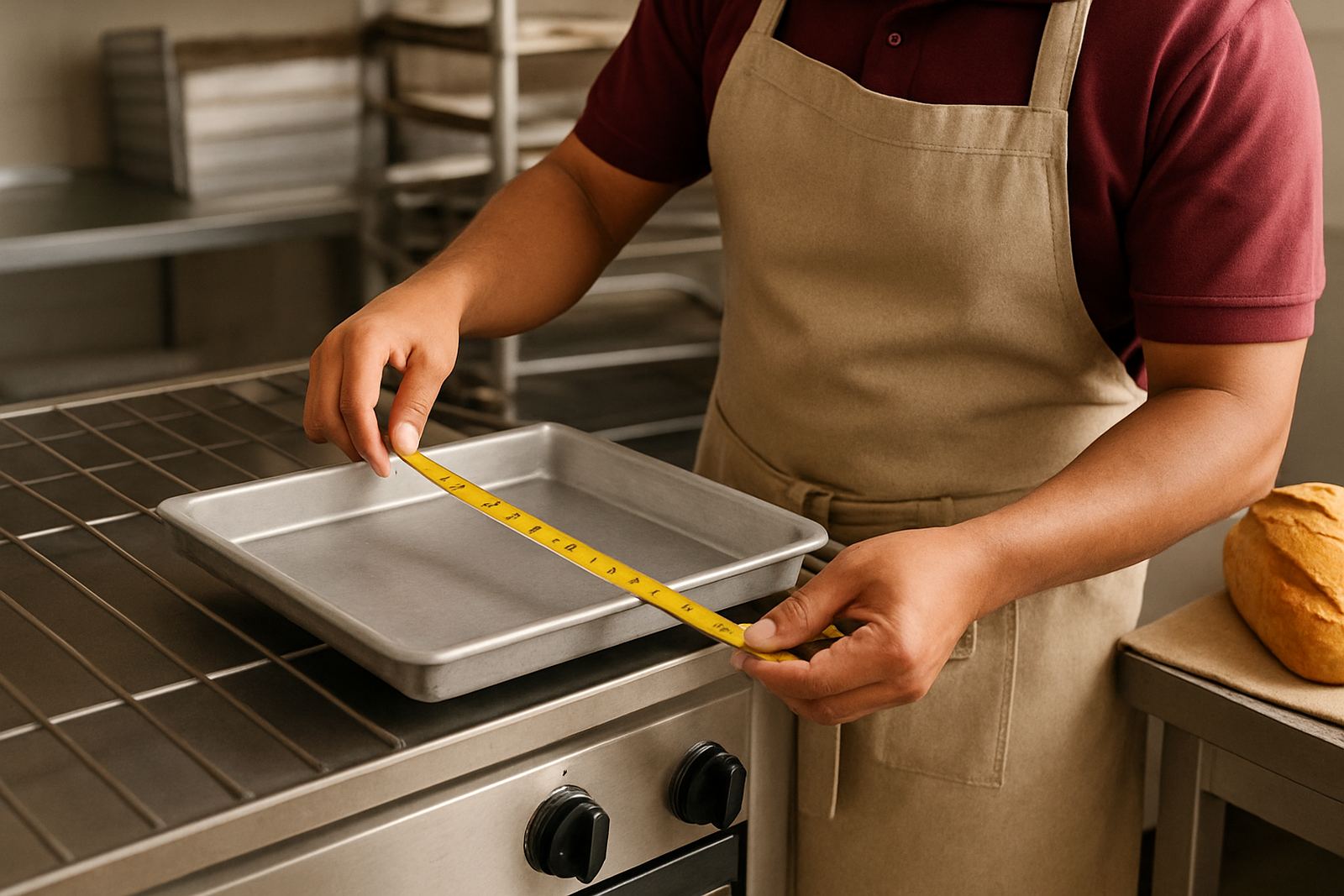
Before ordering non-standard trays, measure the internal oven chamber at the front, middle and back. Also check the usable height between shelves. If the oven is older, note any hot spots or warped support rails. A tray that fits on paper may still catch when a hot pan and glove are moving through during a busy morning shift.
Measure Three Times, Then Compare The Clearances
Good tray fit is about more than length and width. You need working space for heat movement, safe loading and a bit of tolerance for metal expansion. In a warm plant in Alrode or Germiston, that extra few millimetres can matter once the oven is at temperature.
- Measure the chamber width left to right at the front, centre and back
- Measure the depth from the door seal to the rear stop
- Check shelf spacing and the height above the product surface
- Allow for handle clearance if trays are lifted quickly
- Record whether the oven rails taper or sit square
It helps to sketch the chamber and mark the numbers. That small step can prevent a full batch of trays being too tight to slide in cleanly.
Why A Tray That Fits Too Tightly Costs More Later
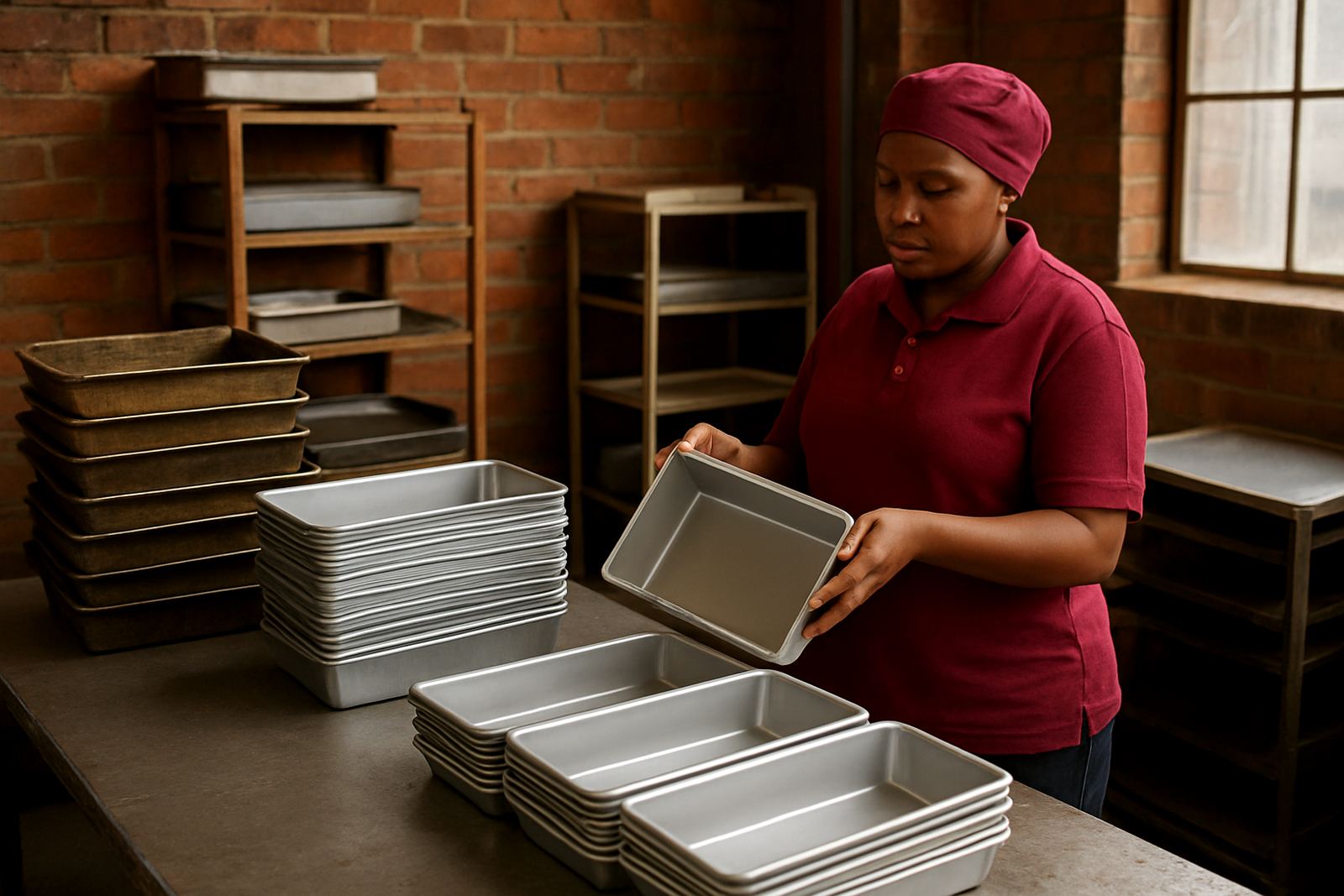
A snug tray may look neat, but it can slow production. Bakers lose time forcing trays in and out, and the metal can scrape against the sides which bends the frame over time. Once that starts, the tray no longer runs true and you get uneven baking or awkward loading angles.
There is also the heat side of it. If a tray blocks airflow in a convection oven, the product closest to the wall can brown faster than the rest. In a bakery doing rolls, loaves and buns for shops in Soweto or Boksburg, that difference can show up in returns and scrap.
Load shedding adds another layer. When an oven cycles back after a power cut, you want trays that go in quickly and settle properly. Delays at the oven door mean more heat loss, more waiting and a messy shift plan.
Match Tray Style To Product And Oven Type
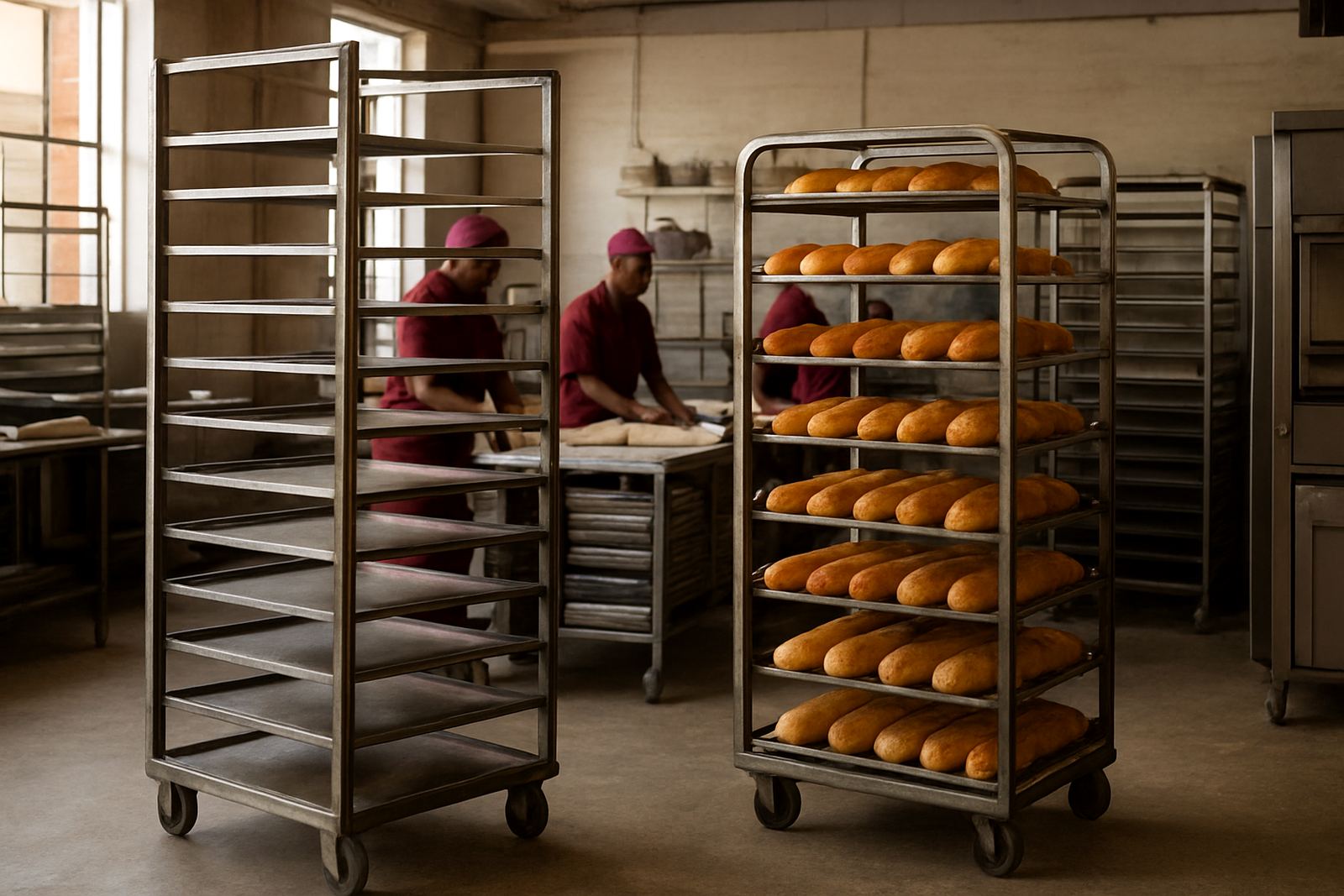
Not every tray shape suits every oven. A perforated tray may be ideal for crisp crusts and airflow, while a solid mild-steel tray may suit loaves or product that needs more base support. Baguette trays need enough width for the loaf form and enough support so the dough does not spread unevenly.
- Solid bread trays for standard loaf work and stable base support
- Perforated trays for better air movement and drier crust finish
- Baguette trays where shape retention and spacing matter
- Heavy gauge builds for repetitive factory use and rough handling
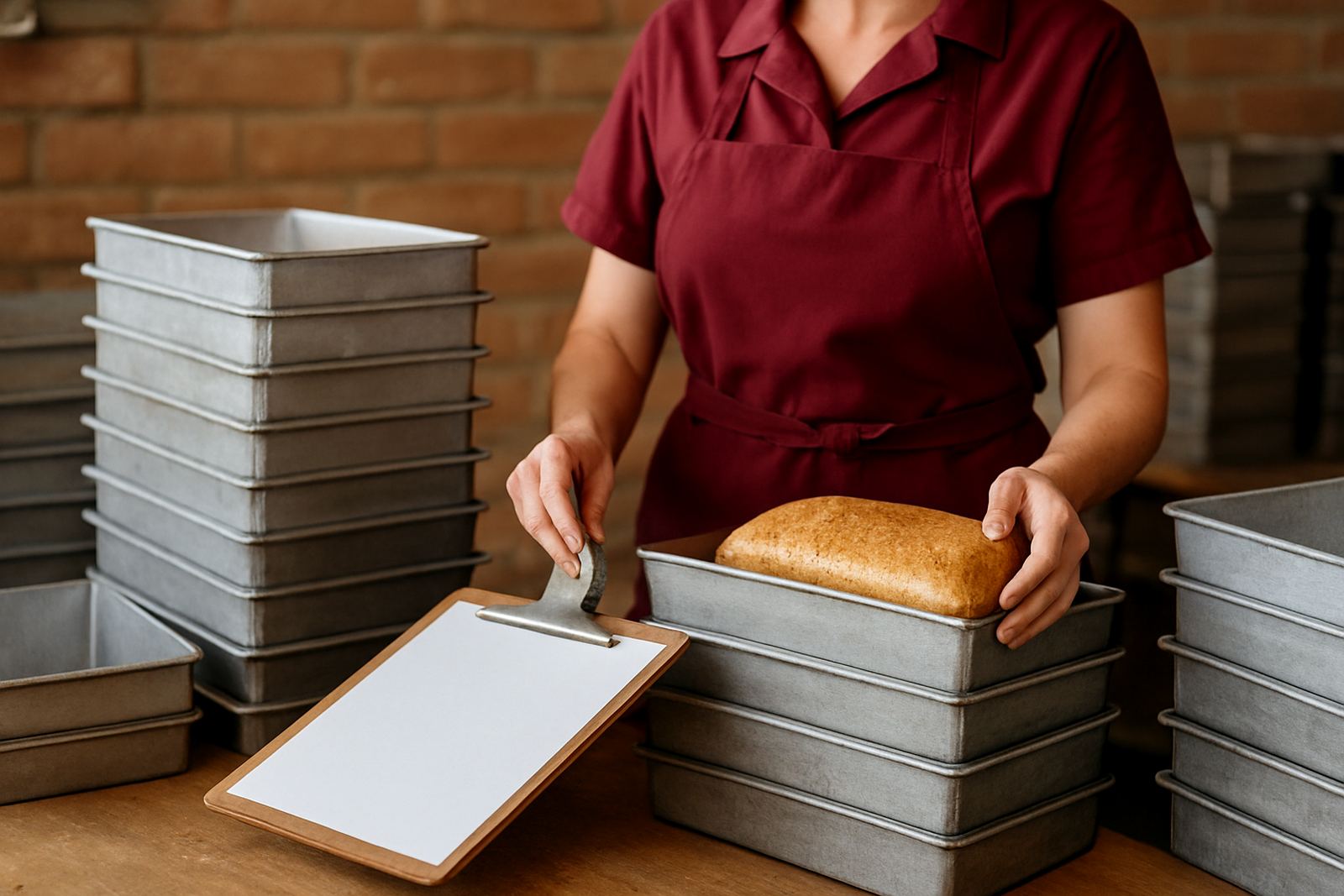
- Lid fitted pans for tin bread where uniform rise is important
We often advise bakeries to match the tray to the oven first, then to the recipe. It sounds backwards, but it saves time when the chamber size is fixed and the batch count must stay high.
Local Example From An Alberton Bakehouse
A bakery in Alberton needed non-standard trays for a compact oven that had been installed years earlier. The manager had measured one old tray and assumed the replacement should be identical. When the new set was checked against the chamber, the side clearance was tight by about 6 mm on one edge.
That small difference would have caused scraping on every second load. After rechecking the chamber, the trays were adjusted slightly and the batch pattern was changed so the load could move smoothly. The result was simpler: less force at the door, cleaner tray handling and fewer marks on the tray sides after a month of use.
That is why a proper fit check matters before a batch reorder. It is not only about getting the numbers right, it is about keeping the production line calm when the morning orders start stacking up.
What To Send When You Need A Non-Standard Order
If you are requesting size matching, pan copying or a prototype run, send clear information from the start. Good drawings are helpful, but plain measurements and photos of the oven chamber can be enough for a first check. If there is a divider insert or a lid to be fitted, include that too.
- Inside chamber width, depth and height
- Existing tray size and any worn areas
- Product type, for example loaves, baguettes or rolls
- Oven type and shelf layout
- Any handling limits, like narrow doors or tight corridors
For bakeries in Midrand, Soweto or Johannesburg South, this kind of detail makes dispatch easier as well. It avoids back-and-forth when a full batch is ready and the oven space has already been planned around the tray size.