Why Gauteng dispatch needs more than a van and a map
Gauteng orders do not move in a straight line. A load leaving Alrode for Germiston can be straightforward, but the same van may still need to factor in school traffic, industrial gate times, low clearance routes, and the odd roadworks delay near an interchange. When the order includes bread pans, lids and perforated trays, packing order matters too because mixed stacks can rattle, bend or mark each other on the way.
For bakery equipment, local route planning is not a nice-to-have. It affects whether a plant in Boksburg gets a morning drop before shift change, or whether a bakery in Soweto has to wait until the afternoon because the route was built around long-haul logic instead of local realities. In practice, the best dispatch schedule is built around factory finish times, traffic windows, and the actual delivery area, not just the shortest line on a map.
- Plan around peak traffic on the N3, R59 and key industrial links.
- Group nearby drops so one route can serve more than one site.
- Allow for loading time when pans and trays are packed by size.
- Keep urgent replacement orders separate from full batch reorders.
The Alrode advantage for quick Gauteng turnaround
Being based in Alrode gives a practical edge for Gauteng dispatch because it sits close to Alberton, Germiston and the wider southern industrial belt. That matters when a bakery is waiting on a replacement lid set or a fresh batch of BO3, BO4 or BO5 pans and cannot afford a long lead time. The closer the dispatch point is to the client cluster, the easier it is to send out smaller runs without overloading the route.
For local suppliers, the main gain is not just speed. It is flexibility. If production finishes a tray order earlier than planned, dispatch can still adjust the route and fit in an extra stop in Midrand or a collection in Boksburg without rebuilding the whole day. That kind of adjustment keeps transport costs sensible and helps avoid holding stock on the floor for too long, which is useful in humid weather and during load shedding periods when storage conditions can change quickly.
- Shorter travel from factory to first drop point.
- Better control over same day collections where needed.
- Less risk of damage from repeated offloading and reloading.
- More accurate timing for bakeries with early starts.
How orders are grouped before they leave the workshop
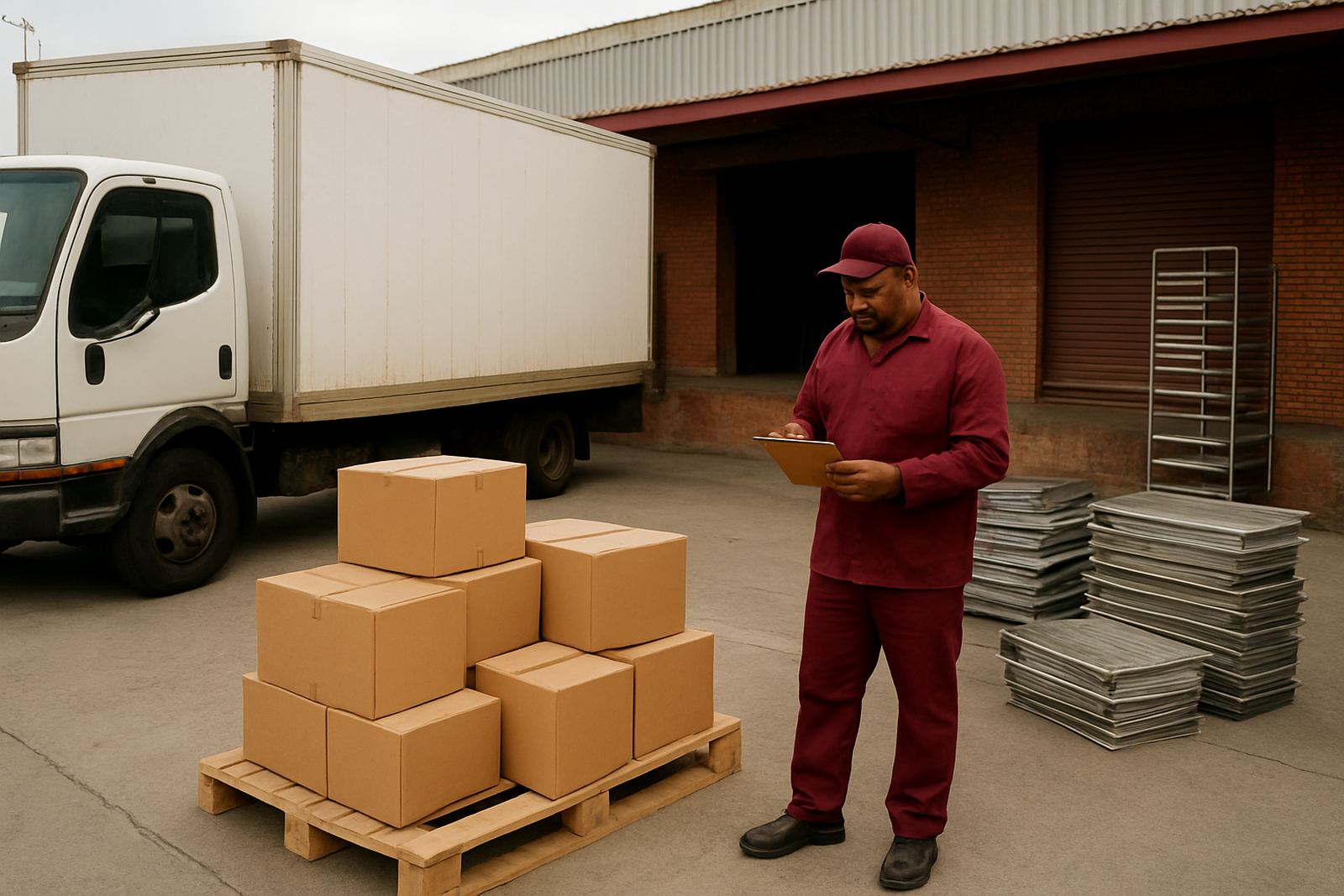
Good dispatch starts before the vehicle is loaded. Orders are grouped by area, by size and by item type so the load makes sense once it is on the road. A set of perforated trays going to one customer in Germiston may travel with lids for another order in Alberton if the timing works, but only when the packing sequence protects each item and the stops fit the route.
This is especially important with custom work. Pan copying, lid fitting, divider inserts and heavy gauge builds often need a careful final check before dispatch. A missing size match or a loose fit is easier to catch at the loading point than after the driver has already crossed half of Gauteng. For batch reorders, clear labelling also helps, because a bakery may need the exact same stack as last month, not a near match that causes confusion on the receiving side.
- Sizes are checked and marked before loading.
- Stacking is arranged to protect edges and corners.
- Urgent parts are separated from bulk tray orders.
- Route sheets match the day’s factory finish times.
Route planning for Alberton, Germiston, Boksburg, Soweto and Midrand
Each Gauteng area has its own delivery pattern. Alberton and Germiston often allow tighter route windows because they sit close to the base, while Boksburg may need planning around industrial traffic and yard access times. Soweto can require more careful timing for access roads, and Midrand often benefits from early runs before the heavier northbound traffic builds up.
A practical route is built around the order mix and the drop sequence. A driver taking bread pans to Soweto and perforated trays to Midrand should not be sent out with a route that forces unnecessary backtracking across the city. The idea is to make one circuit do the work of two, while still protecting the cargo and keeping the delivery promise realistic. That saves fuel, reduces time on the road, and helps the receiving team prepare for arrival.
- Use industrial zones and access gates as route reference points.
- Schedule larger loads earlier in the day when traffic is lighter.
- Keep municipal permit or access notes with special deliveries.
- Confirm offloading points for busy sites before dispatch starts.
Packing bakeware so it arrives straight and usable
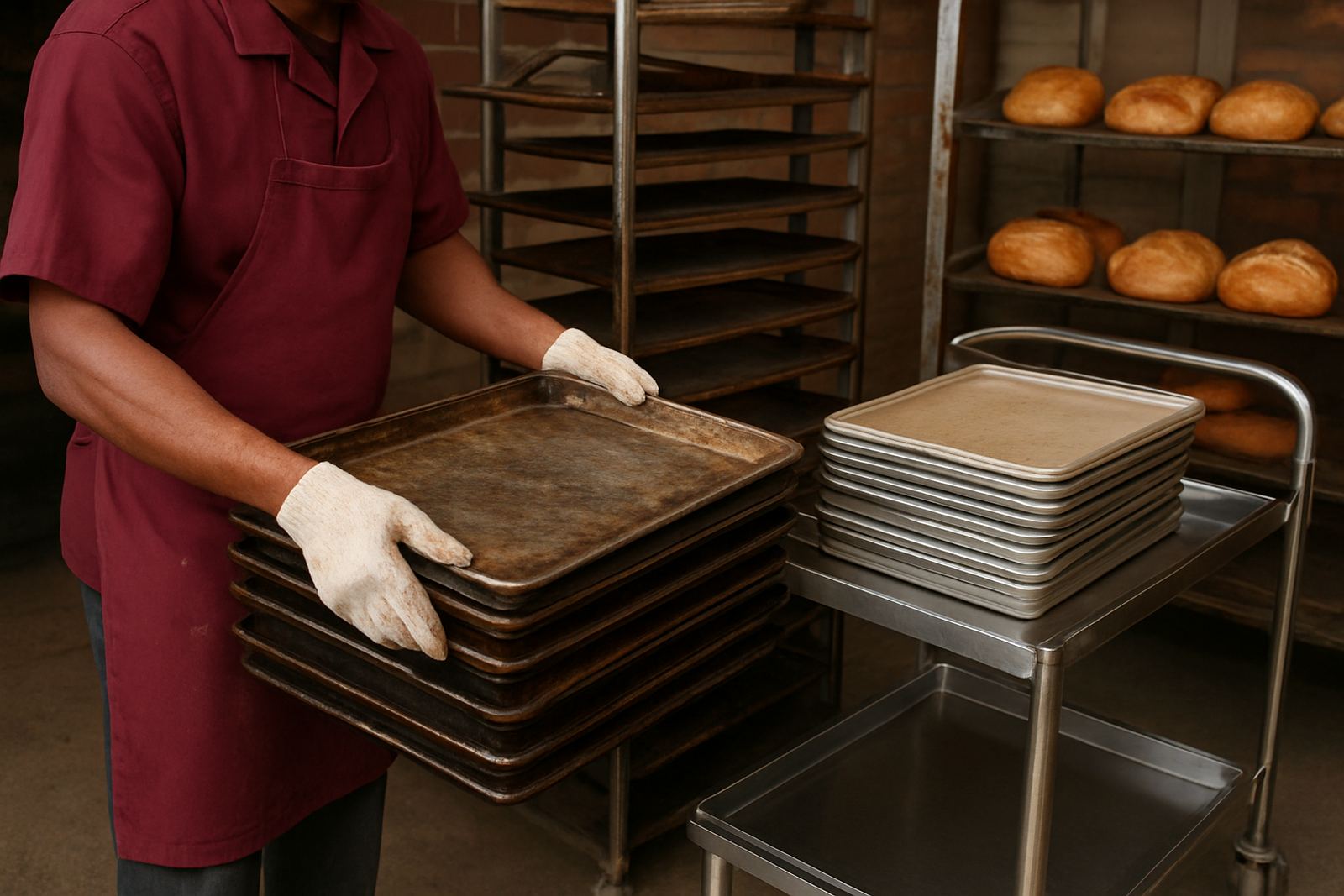
Bread pans and trays should leave the workshop in a way that keeps them ready for the bakery floor. That means proper stacking, spacing where needed, and securing mixed orders so nothing shifts during braking. In Gauteng, where short urban trips can still involve rough surfaces or sudden stops, the packing standard matters just as much as the route plan.
Humidity and dust can also affect how goods are handled once they reach site. If a delivery is going to a bakery in a busy industrial yard, the receiving team needs items that are clearly grouped and easy to count. This is where neat labelling and organised loading pay off. A simple mistake at dispatch can create a delay at the point of use, and no bakery wants staff standing around because one lid set is mixed in with another order.
- Separate trays from pans to limit surface marking.
- Secure lids and inserts so they do not shift in transit.
- Label each bundle with size and quantity.
- Check the load again before doors are closed.
A local example: one route, three bakery stops
Say an order day starts with bread pans for a bakery in Alberton, perforated trays for a site in Germiston and replacement lids for a customer in Boksburg. If those orders are packed separately but planned together, they can leave Alrode on a route that works from south to east without circling back. The driver can do the nearest stop first, move across to Germiston, then finish in Boksburg while the load stays organised and the receiving teams know when to expect it.
That same route would look very different if it was planned only on first order in, first order out. The van might head east, then swing back south, then east again, adding kilometres and burning time. A better plan saves the client from delays and keeps the workshop dispatch team in control of the day. It also means a factory consultation or prototype run can still fit around existing deliveries instead of being pushed to the side. Small route choices make a big difference when the order book is full.