When old trays start costing you money
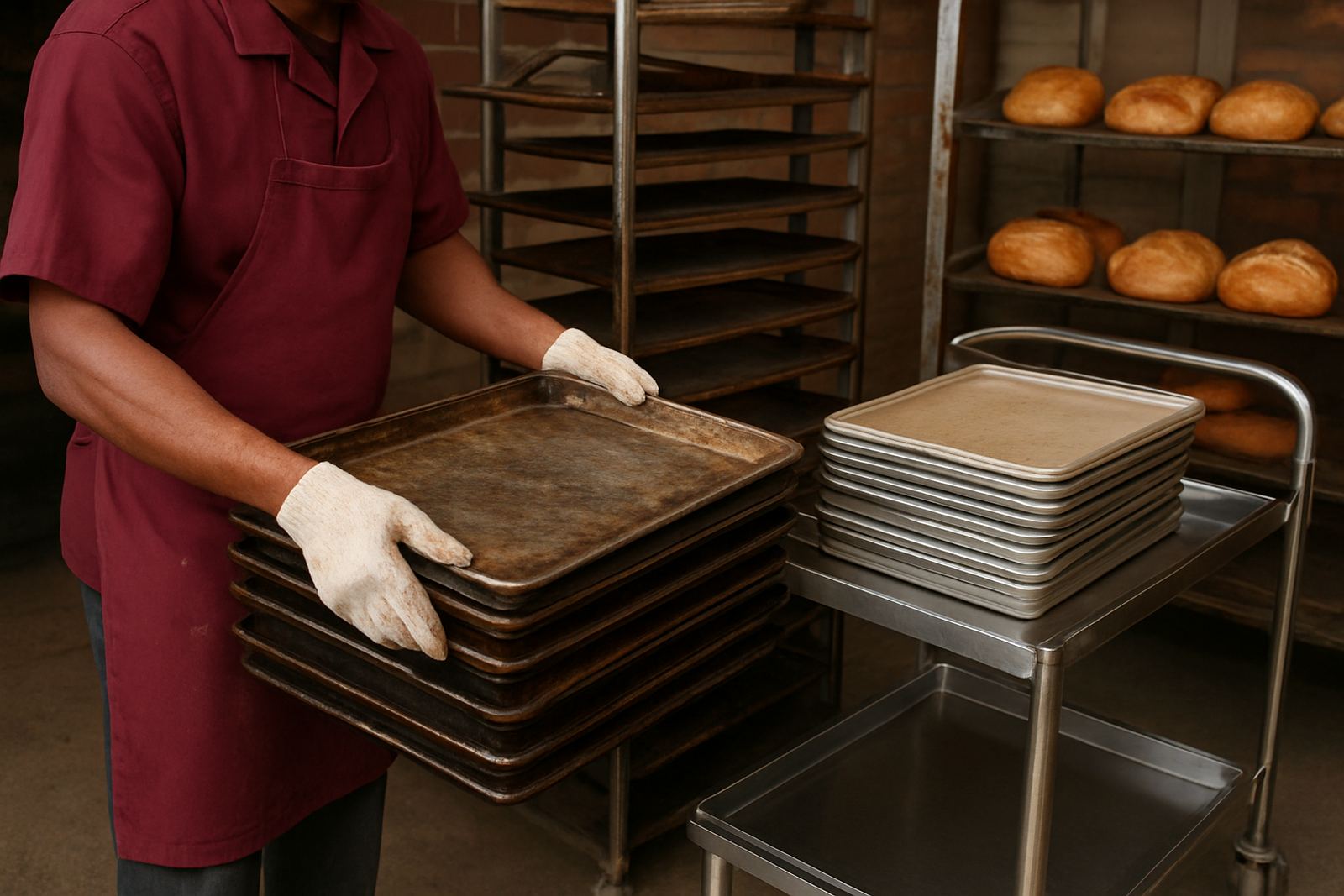
Most bakeries do not replace trays because they have a neat upgrade budget. They change them when the pans start sticking, the sides distort, or the welds and corners no longer hold shape through a full shift. In practice, tired tray stock costs time on the line, extra release spray, more rejects and uneven colour in the oven.
If you are still using mixed tray stock from different years, you will see it in the final loaf. One tray runs hotter, another sits lower on the rack, and the oven worker has to keep adjusting. That kind of drift is common in busy bakeries around Alrode, Germiston and Boksburg where trays are in and out all day, and the team has to work around load-shedding too.
Start with a stock audit, not a guess
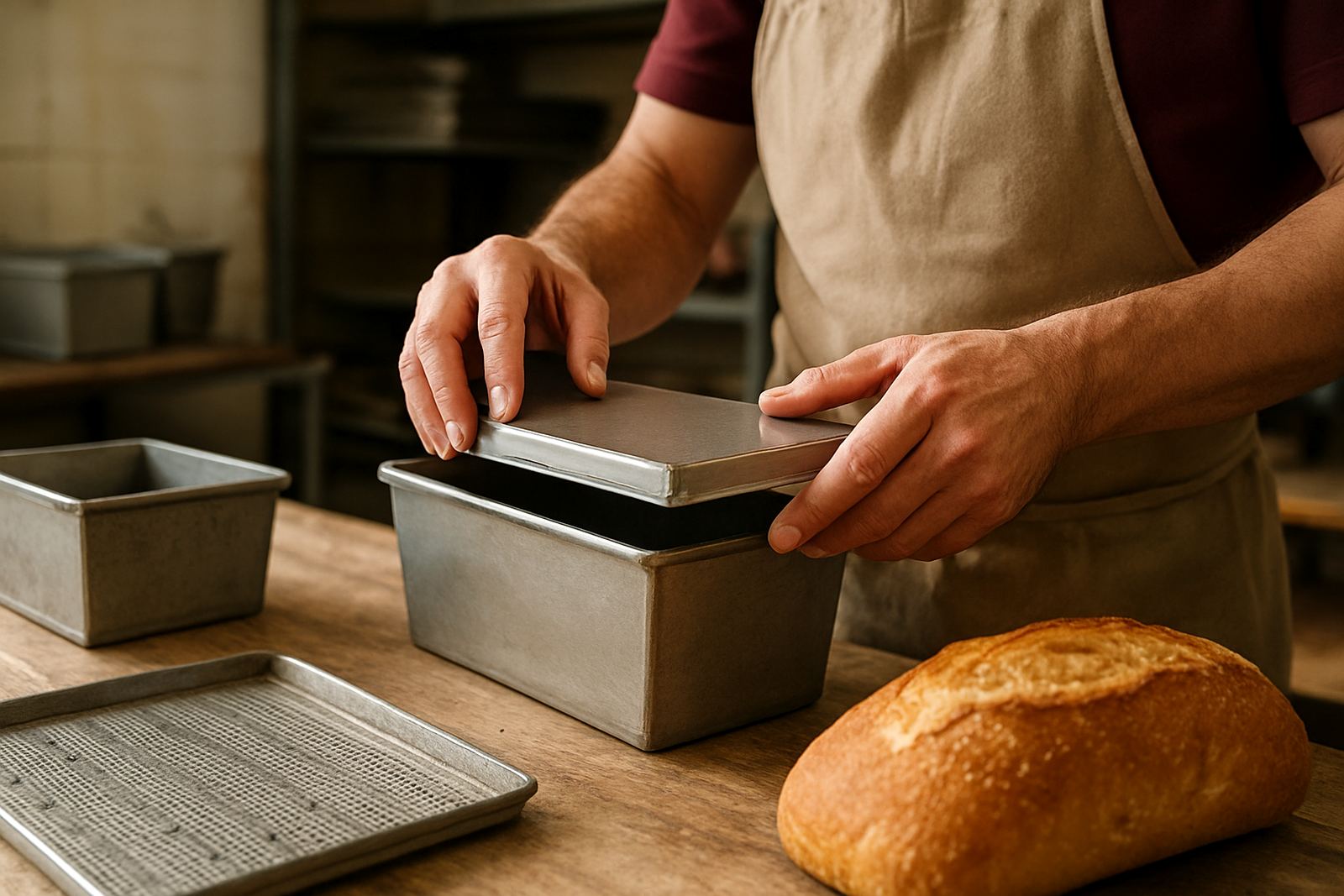
The easiest mistake is ordering replacements from memory. A proper tray audit tells you what is still usable, what is repairable, and what should be replaced in the next batch. Count the sizes first, then check gauge, depth, lip condition and how each tray fits with the lid or rack. If your bakery uses BO3, BO4 or BO5 bread pans, make sure the replacement plan follows the same working dimensions, not just a similar looking shape.
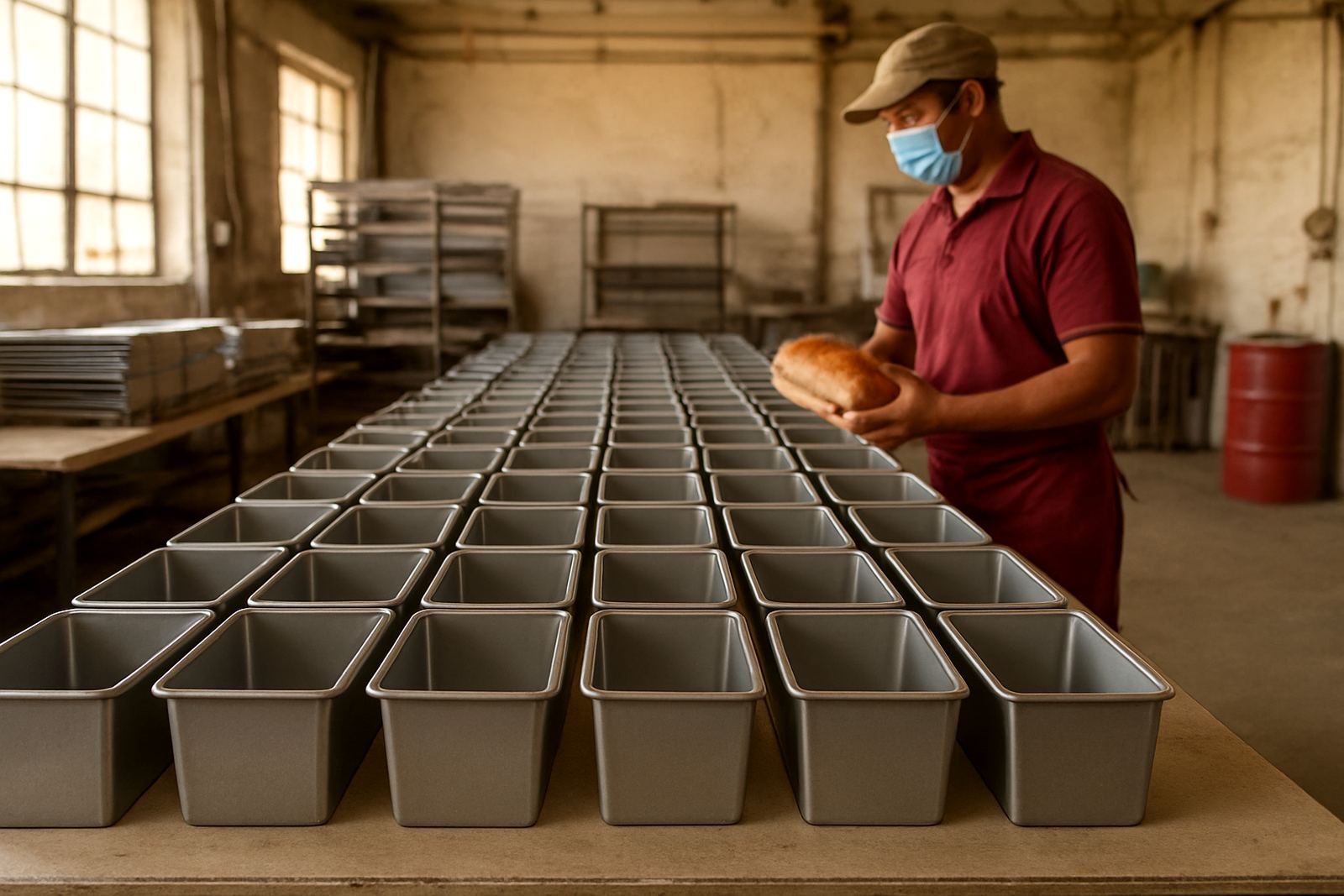
At our Alrode base, we often see bakeries with a mix of old stock, copied stock and a few trays that were modified by hand over the years. That can work for a while but it makes reordering harder later. A clean list now saves a lot of back and forth when you need 40 more pans, or 120, and you need them to match what is already in use.
- Measure overall length, width and depth
- Check whether lids still sit flat
- Note any tray that has twisted or bowed
- Separate standard items from special sizes
- Count how many trays you need per shift, not per shelf
Replace in batches so production keeps moving
You do not have to strip out every old tray in one go. For most bakeries the best route is a phased replacement plan. Swap the worst stock first, then work through the rest in batches that fit your production cycle. That way the oven team only has to learn a small change at a time, and dispatch is not left waiting for a full factory reset.
A bakery in Soweto, for example, may be running morning bread for retailers, then smaller runs for schools or local shops later in the day. If that site replaces trays in one large order, it can throw the whole schedule. But if the first batch covers the trays that fail most often, the bakery keeps going while the rest of the stock is copied and matched for the next round.
- Replace the worst 20% first
- Keep one sample tray for matching and checks
- Plan deliveries around quieter production hours
- Label old and new stock clearly during changeover
- Hold one emergency spare for peak days
Match the tray to the product, not only the shelf
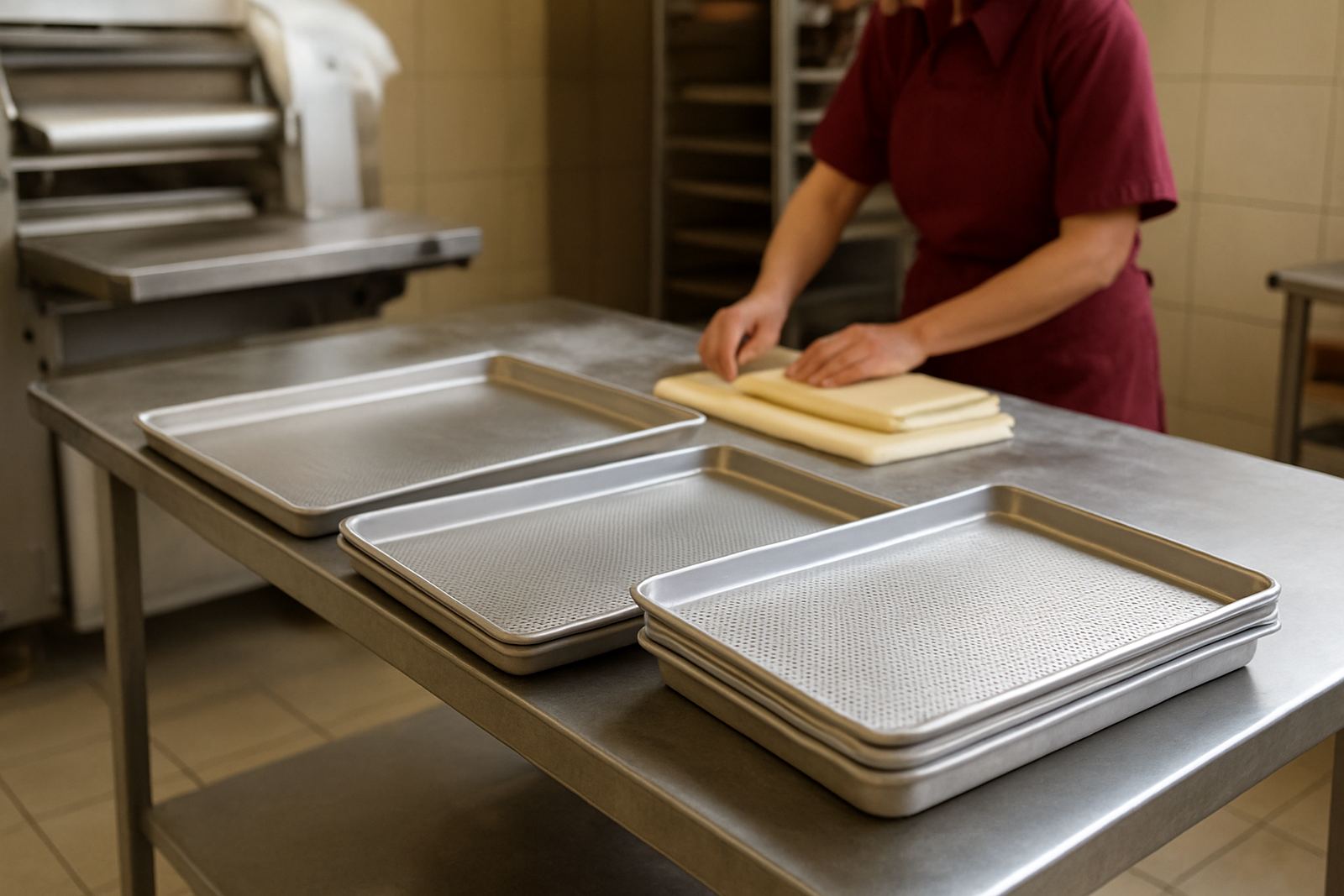
Older bakeries sometimes keep using the same tray for every product because it is what they have. That usually costs more in the long run. A tray for sliced loaf work is not the same as a perforated tray for airflow, and a baguette tray needs different forming and support again. Matching the tray to the product can improve release, crust and throughput without changing the recipe.
If you are upgrading, ask whether your bread pans need divider inserts, whether your trays should be perforated for faster bake, or whether heavier gauge is needed for repeated use. Coastal humidity around parts of Gauteng stockrooms, or hot storerooms in industrial areas, can also shorten the life of light trays, so the material choice matters just as much as the size.
Factory consultations help avoid wrong orders
It is worth having the old tray stock checked before the order is placed. A factory consultation gives you a chance to compare a sample tray against the worn one, confirm the gauge and agree on the finishing details. That is especially useful if the original trays were copied years ago, or if a previous supplier left you with slight size differences from one batch to the next.
For bakeries in Alberton, Midrand and Germiston, a short consultation can save days of delays. We can size match, copy an existing pan, fit lids, perforate trays, or build a prototype run before the full batch goes ahead. That is the safest route when the line cannot stop for long and the replacement has to work first time.
A simple changeover plan for busy bakeries
The actual swap does not need to be complicated. Once the new trays arrive, set up a clear handover plan for the oven room, dough area and dispatch team. Old and new stock should not get mixed on the same rack, and the first few bakes should be checked for release, colour and any change in oven timing. Even small differences can show up on a hot day, so keep an eye on the first shift.
Good changeovers also make batch reorders easier later. When the team records what worked, what was adjusted and which tray numbers were kept aside, the next order moves faster. That matters when you are trying to keep bread flowing through a load-shedding day or a month-end rush and you cannot afford trial and error.
- Mark new trays before they enter production
- Check the first bake from each replacement batch
- Keep notes on fit, finish and release
- Store samples for future copying
- Reorder before the stock becomes too mixed
Upgrading trays without stopping the line
The best tray upgrade is the one that the bakery barely notices on the day. That means clear sizing, sensible batch ordering and steady replacement, not a scramble when half the stock has already failed. If the old trays are tired but the business still has to bake every morning, the answer is usually to phase the change and match the new stock properly from the start.
For bakeries in Johannesburg South and across Gauteng, that approach keeps production steady while lifting the quality of the bake. It also gives you a cleaner stock system for the next order, which makes life easier for production, dispatch and the people who count the trays at the end of the shift.