When labour is not the real bottleneck anymore
If your team is working harder but you are still missing dispatch times, the problem may be tray and pan capacity. In a busy bakery, labour can only move as fast as the bakeware allows. One worn pan, one short batch of lids, or one tray set that does not match the oven layout can hold back an entire shift.
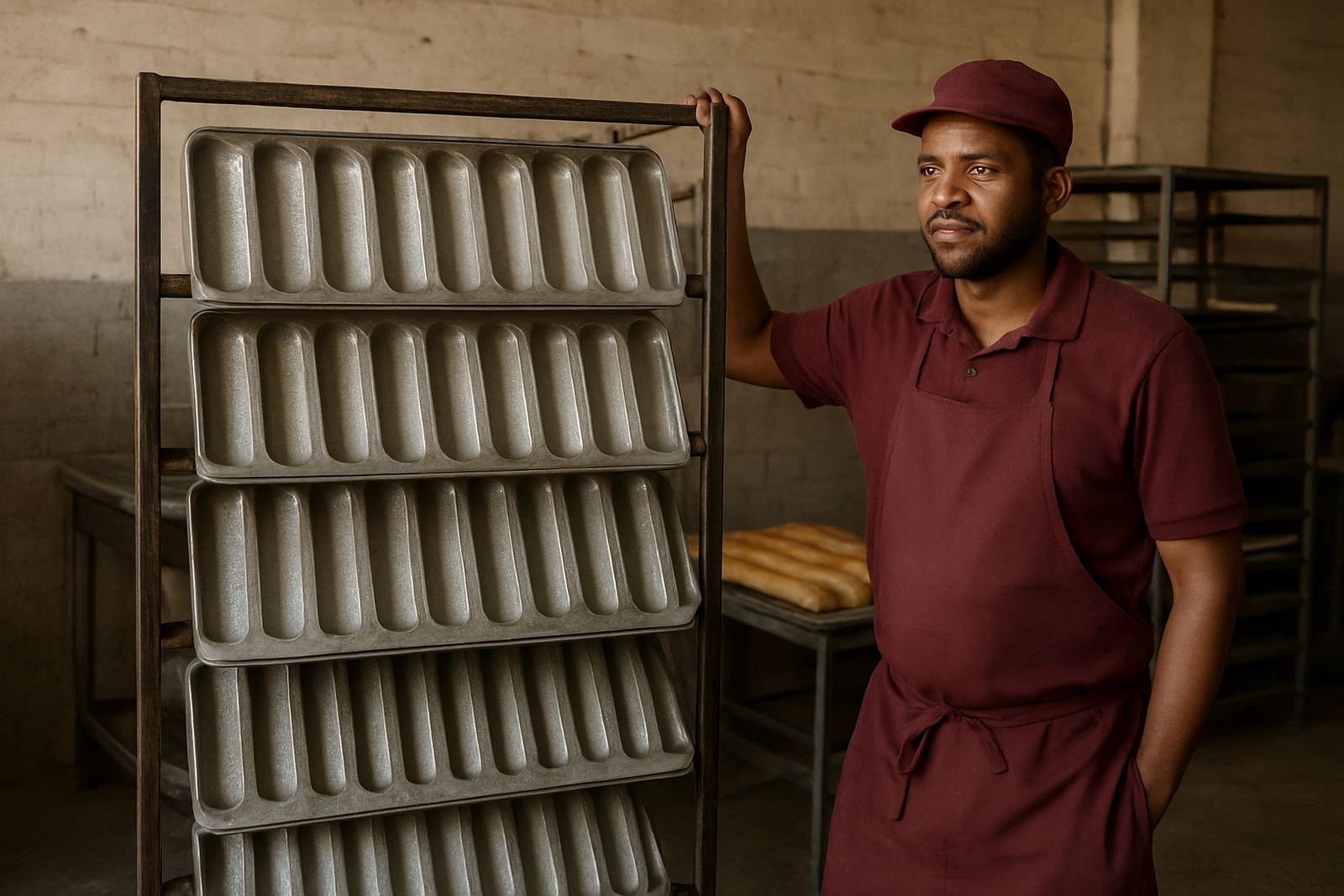
In Alrode and across Gauteng, many bakeries start with a small set of standard BO3, BO4 or BO5 pans and then grow into larger retail and wholesale runs. The first warning signs are usually practical: staff waiting for returned trays, dough sitting too long before proving, or mixed product sizes because the same pans are being forced to do every job.
- Workers are idle while they wait for wash-up, cooling or rotation of pans.
- Batches are smaller than demand, even when the oven has space.
- Products come out uneven because the trays are bent, shallow or mismatched.
- Cleaning and handling take longer because the bakeware is old or damaged.
What extra units change on the floor
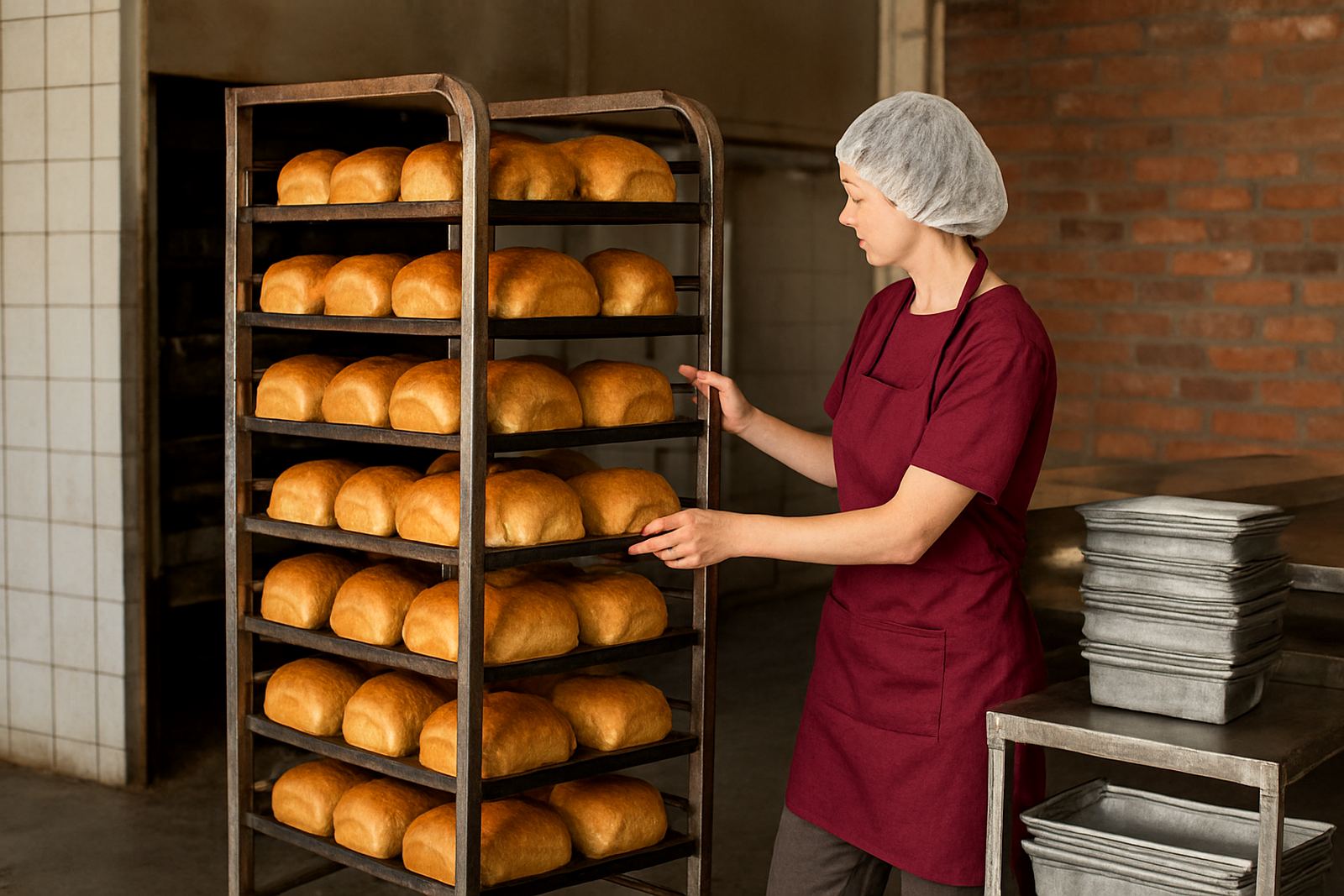
More units do not only mean more output. They also improve flow. A proper buffer of bread pans, lids and trays lets the team load, proof, bake and cool in a cleaner sequence. That matters when orders from Alberton, Germiston, Boksburg or Soweto all land on the same morning and every minute counts.
Extra units help you separate jobs properly. Standard loaves can run in one batch, seeded or specialty loaves in another, and repair or cleaning cycles no longer interrupt the whole line. It also reduces the temptation to overfill pans or stack product too tightly just to get through the day. That is where shape loss starts.
- Better batch control when daily demand changes from week to week.
- Less handling damage because there are enough clean, ready units on hand.
- Cleaner product separation for different bread sizes and finishes.
- Lower pressure on staff during early shifts, load-shedding backups and peak delivery windows.
The hidden costs of using old or stretched bakeware
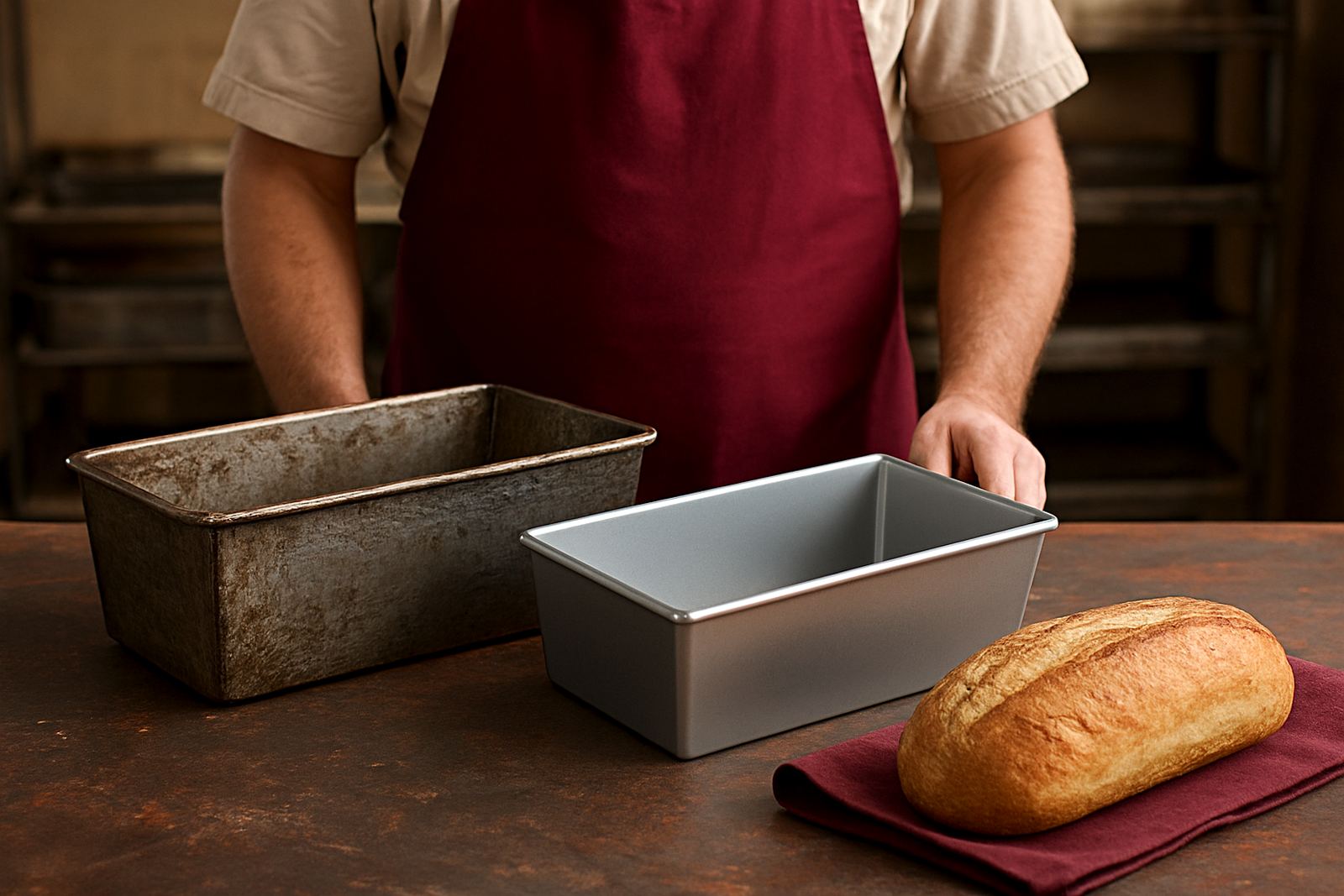
Old bakeware often looks acceptable from a distance, but the real problems show up in the oven and on the floor. Mild-steel pans that have warped, lids that no longer fit properly, and perforated trays that have lost shape all affect bake time, colour and product consistency. In humid coastal storage conditions, even well-kept stock can start to behave differently if it is not stored and rotated correctly.
A bakery may think it is saving money by keeping damaged units in service, but the losses usually show up elsewhere. More product sticks. More trimming is needed. More loaves come out with uneven sides or weak tops. By the time a team notices, the labour cost is already built into every batch.
- Heat distribution changes when a tray is bent or a pan is out of square.
- Loose lids can affect rise and top finish on bread.
- Perforated trays lose support if the holes or frame are damaged.
- Repeated rework increases cleaning, sorting and handling time.
A simple check before you hire another baker
Before adding headcount, it helps to measure the real constraint. Count your usable pans and trays on a normal production day, then compare that number with your full order book. If the oven can take more but your bakeware cannot, labour will not fix the gap. This is where many bakeries in Gauteng get caught out, especially after a new contract or a seasonal jump in demand.
Use a quick floor check and speak to the production foreman, dispatch team and customer care lead together. You will usually see the same pattern from different angles. The staff are busy, but the units are not enough for the volume. That is a supply issue, not a people issue.
- How many units are in full working condition today?
- How many are held back because they are warped, dented or poorly fitting?
- How many units are needed to cover one full peak shift plus wash-up rotation?
- Which products are being delayed because the right pan or tray is not available?
Matching the bakeware to the product mix
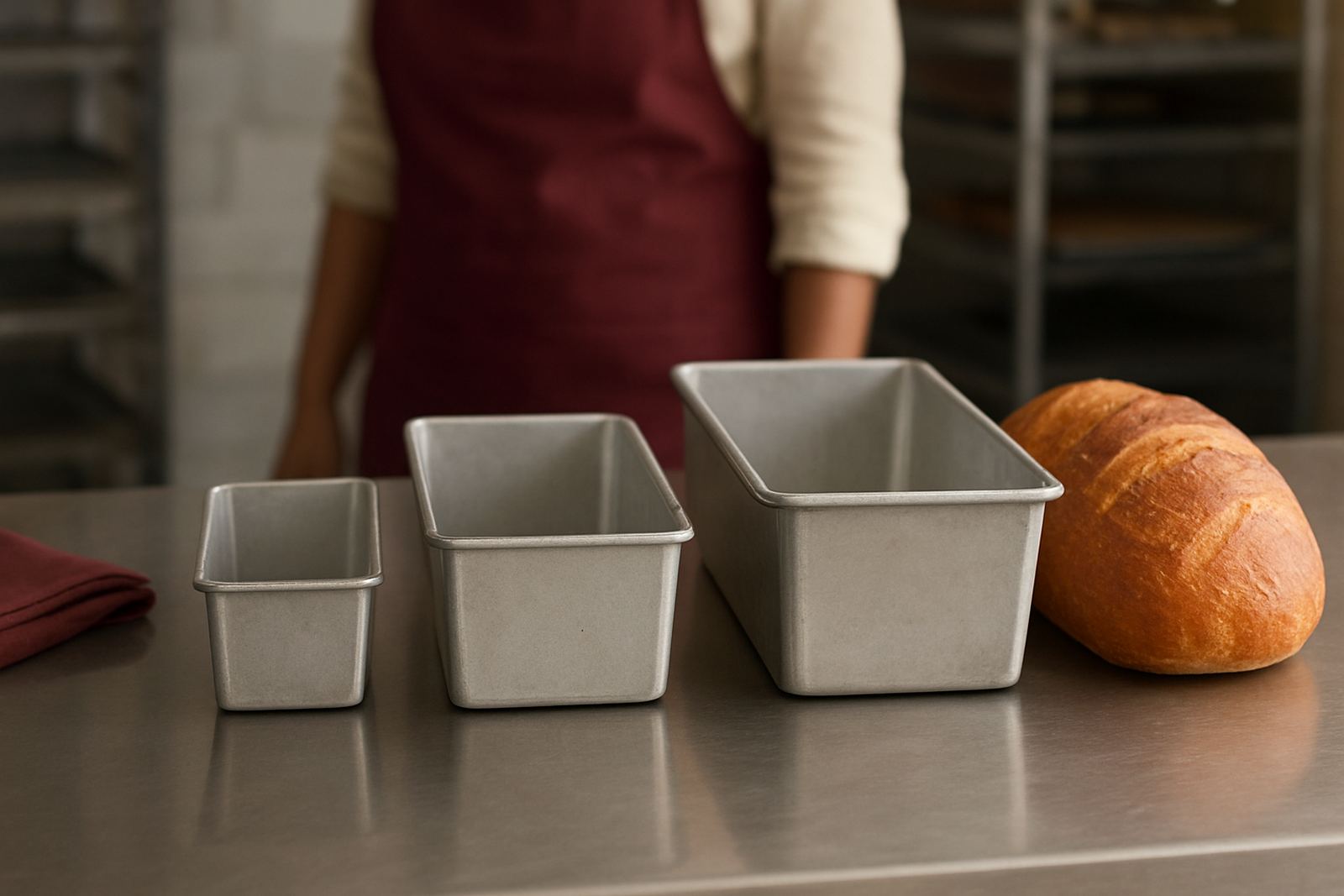
As product ranges widen, the old one-size-fits-all approach stops working. A bakery supplying standard loaves, baguettes and specialty rolls needs more than a basic stack of pans. It needs size matching, lid fitting, tray perforating and, in some cases, divider inserts or prototype runs so the bakery can test a new format before placing a larger order.
Good matching also protects consistency. If a pan copy is made accurately and the gauge is right for the job, the product behaves the same from one batch to the next. That makes a difference in stores, schools, canteens and wholesale routes where the customer expects the same loaf every time.
- Ask for the right size rather than forcing product into available stock.
- Use heavier gauge builds where repeated handling is hard on lighter units.
- Separate bakery lines for standard loaves and specialty shapes where possible.
- Plan batch reorders before the shortage starts affecting dispatch.
A Johannesburg South example that many bakers will recognise
A bakery in the Alrode area may start with one oven shift and a modest daily run, then pick up steady supply to surrounding areas like Germiston and Boksburg. At first, the team copes by stretching the same pans across more batches. Then a new account lands, delivery times tighten and the old trays start holding the business back. Staff are not suddenly slower, the line is just under-equipped.
Once the bakery adds the correct number of bread pans, lids and trays, the shift changes. Dough waits less, baking becomes more predictable, and dispatch can move on time even when loadshedding interrupts the day. The business does not need to chase every problem with extra labour. It needs enough units to keep production flowing.
That is why factory consultations matter. A practical walk-through can show where extra capacity is needed, where copies should be made from existing units, and where a heavier build will save money over time. In bakery work, scaling up usually starts with the metal on the floor, not the people in the room.