Start with the pan, then check the rack
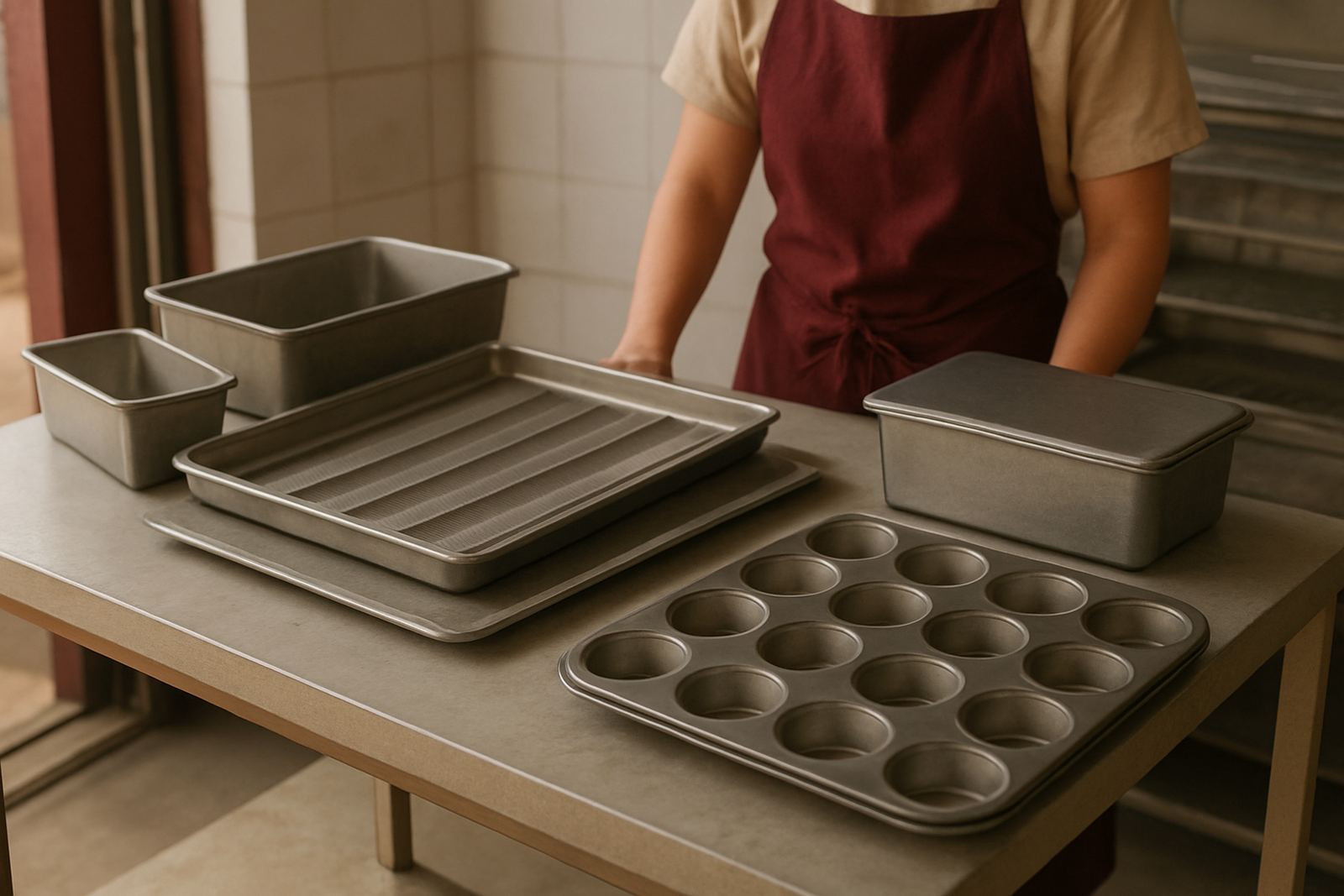
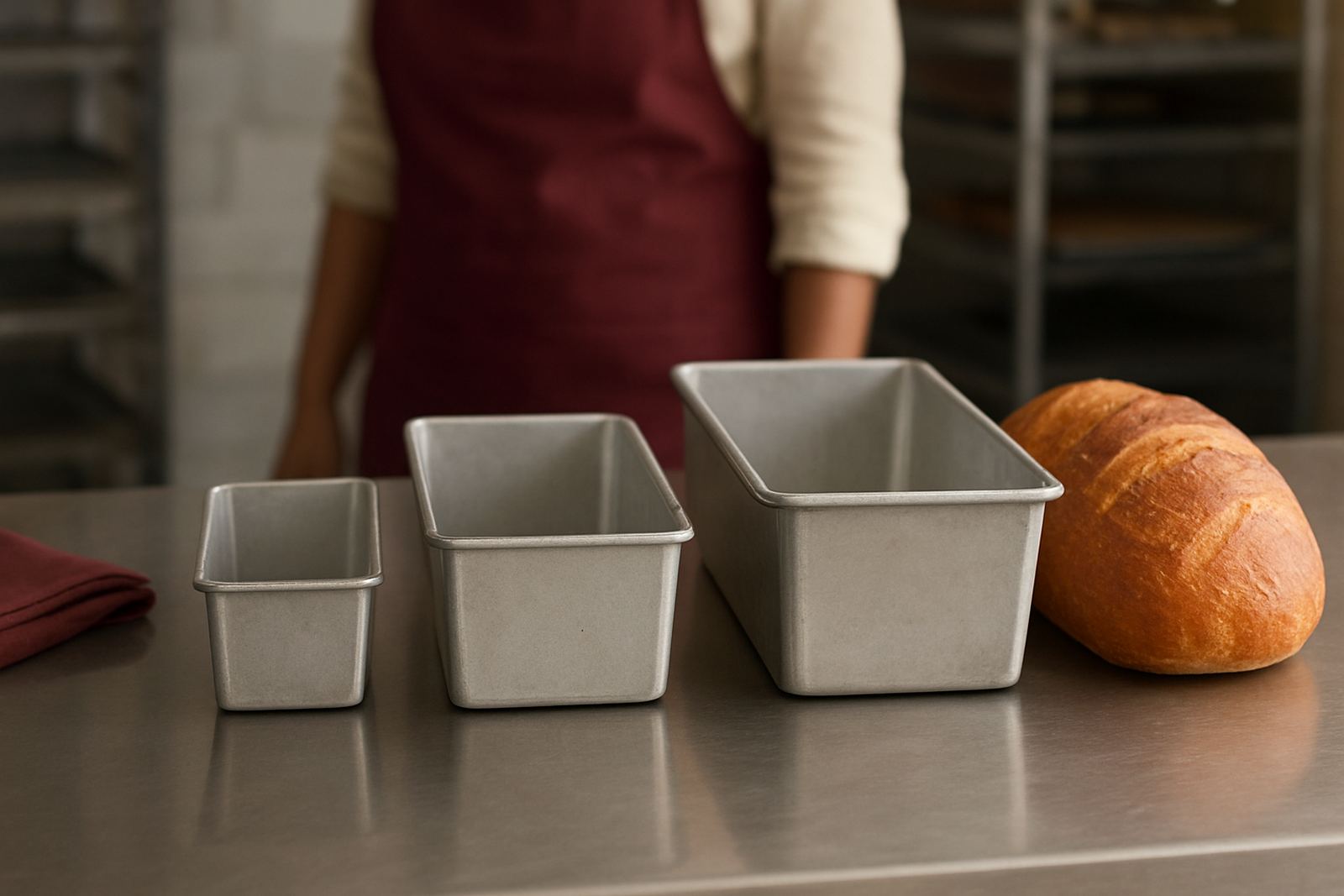
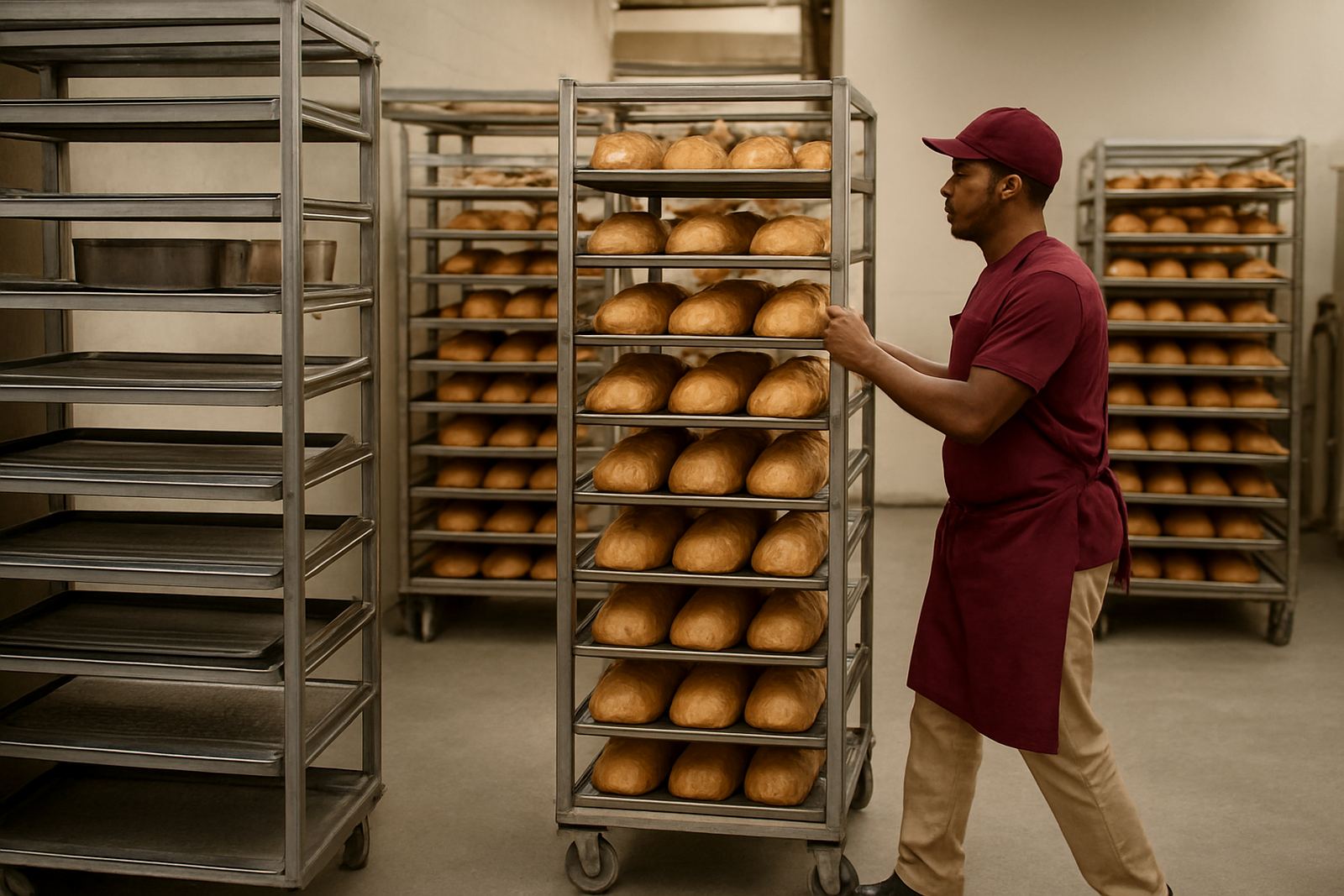
When a bakery orders bread pans, lids or trays, the first question should be how they sit on the rack, not only how they fit the oven. Pan length, width, rim height and handle clearance all affect the way a trolley loads and travels. In a plant in Alrode or Germiston, where shifts are tight and floor space is limited, a poor fit can create daily delays. If pans sit too close together, staff struggle to lift them out after proofing or cooling, and the rack gets knocked around more than it should.
We often see bakeries work with a mix of older pans and newer tray sizes. That can be managed, but only if the spacing is checked properly. A rack that looks fine empty may be too narrow once pans are loaded, especially if the handles or folded edges are wider than expected. For repeat production, it is worth measuring the pan body and the outside span, then checking the usable shelf width on every rack type in use.
Rack spacing affects airflow, cooling and handling
Good spacing does more than hold the pans. It allows air to move around the product, helps heat leave the tray after baking and gives staff room to grip the pan safely. In humid coastal conditions, moisture can hang around longer on metal surfaces, so tighter stacking can lead to damp spots and slower turnover. In inland areas such as Johannesburg South, heat build-up can be the bigger issue, especially when ovens, proofers and pack areas are close together.
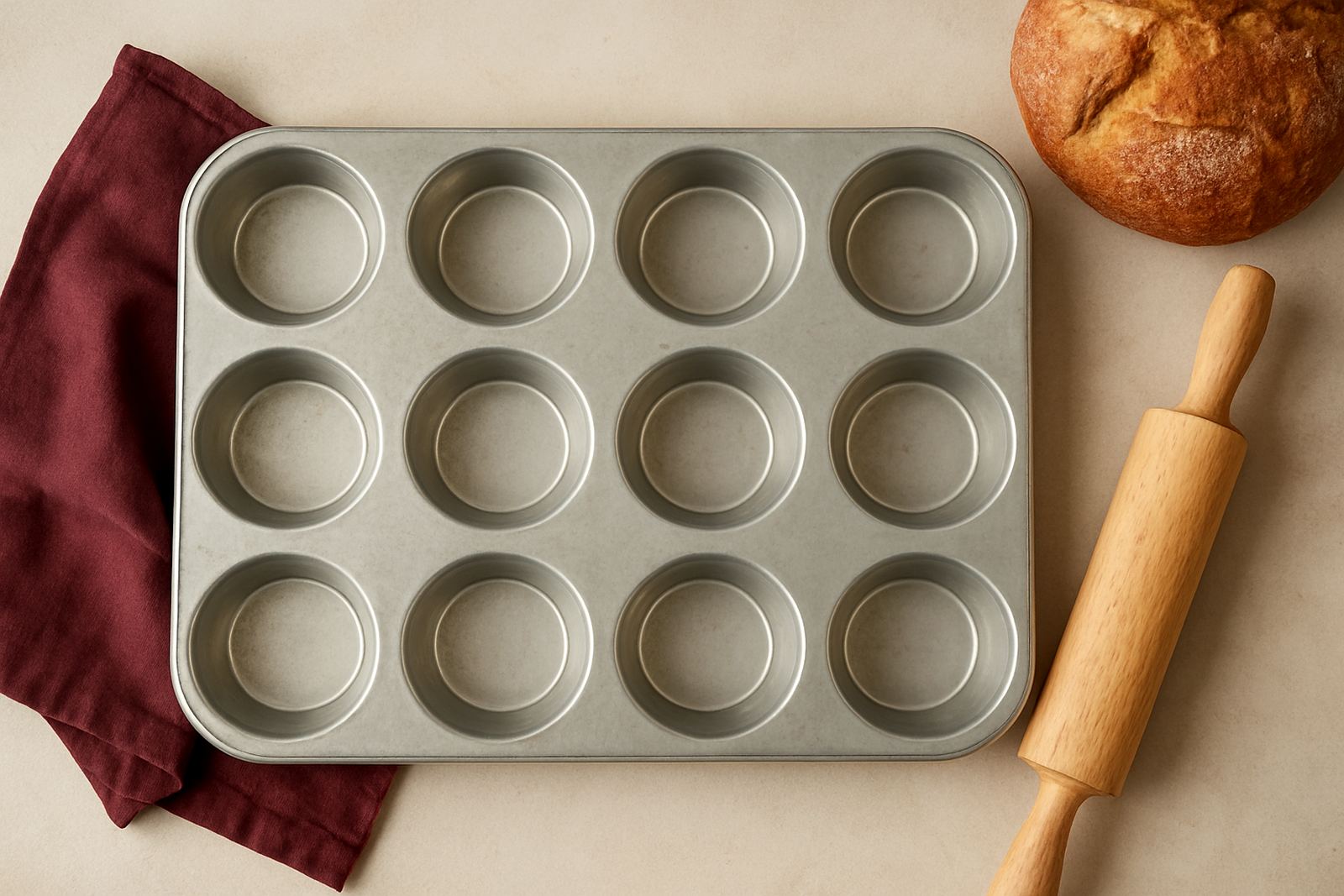
Rack spacing should also match the type of product. Bread pans need a stable shelf with enough room for quick loading, while perforated trays may need a little more air gap for even bake and better cooling. If the product is getting pale bottoms or uneven colouring, the rack setup may be part of the problem, not only the oven settings.
- Leave enough clearance for gloved hands to lift pans without scraping the shelf above.
- Check that rack lips and side rails do not block tray handles or lids.
- Allow extra room if the bakery uses insulated gloves or deep pan sets.
Plan movement routes before the racks arrive
Many bakeries focus on the production line and forget the route from mixer to oven, then to cooling and dispatch. That route matters just as much as the pan size. If a trolley has to turn sharply past a pillar, door frame or pallet stack, even a well matched pan can become awkward. In Soweto or Midrand, where bakery buildings may be adapted from older industrial units, the route can be the real constraint.
Before finalising pan and rack quantities, map the movement path. Measure doorway widths, turning points, floor slopes and any change in surface level. A loaded rack must move without snagging on drains, cracked concrete or uneven thresholds. It sounds basic, but one bad turn can bend a rack frame or knock pans out of line. That leads to long term wear and more cleaning time.
- Measure the narrowest point on the route, not the widest open area.
- Check whether the rack can turn fully when loaded to capacity.
- Keep enough aisle width for two people to pass safely when trolleys are moving.
Match pan style to your oven and batch rhythm
Different products need different pan styles, and the rack has to support that rhythm. Standard bread pans, lids, perforated trays and baguette trays do not all behave the same way. Heavy gauge pans carry more weight but tend to stay straighter under repeated use, which is useful when the bakery runs long shifts or batch reorders every week. Lighter pans may be easier to lift, but they can twist sooner if the rack shelves are uneven.
For bakeries that bake in batches through the day, the rack layout should match the timing of loading and discharge. If one batch is leaving the oven while another is waiting on the proving side, the trolley setup must make that handover easy. This is where size matching and pan copying help. A copied pan that stays true to the original size can save time across the whole line, provided the rack shelves are checked as well. Otherwise the new pan fits the product, but not the workflow.
Avoid waste by checking tolerances early
A few millimetres can matter. A pan that sits too deep in the rack can make removal awkward, while one that is too shallow can slide during loading. Over time, repeated knocks wear down the rims, bend corners and slow down staff. That is why prototype runs and factory consultations are useful before a large order goes into full production. It gives the bakery a chance to test the real fit, not just the drawing.
We also advise checking the lid fit where lids are used. If the lid sits proud of the rack line, it may catch on the shelf above or on the proving trolley. The result is scratched surfaces, uneven stacking and unnecessary handling. A small correction at the start can save a lot of trouble later, especially where load-shedding changes production times and teams need to move quickly when power returns.
In practice, the best results come from treating pans, lids and racks as one system. That means re-checking the measurements after any change in dough weight, bake time or oven loading pattern. It is not only about making the pan fit, but making the whole route work with less lifting and less rework.
What to send when you need a quote or copy
If you want replacement pans or new rack-friendly tray sets, send clear measurements and a few photos of the current setup. The more exact the information, the easier it is to match the size and avoid trial and error. For older plants in Alberton or Boksburg, where equipment has been added over time, this step is especially important because no two rack systems are exactly the same.
- Outside pan length, width and depth.
- Rim style, folded edge or handle detail.
- Rack shelf spacing, upright width and trolley height.
- Product type, batch size and oven loading pattern.
- Any problem areas such as snagging, warping or uneven cooling.
With the right measurements, we can match the pan to the rack and the rack to the route, so the bakery keeps moving without unnecessary stops. That is practical work, and it shows up every day on the floor.