1. Confirm the order before you leave home
Factory pickup works best when the order is fully confirmed a day or two before collection. If you are collecting from Alrode phone ahead and make sure the quantities, sizes and item types match the invoice or order note. For bakeries in Alberton, Germiston or Boksburg this can mean the difference between one quick stop and an unnecessary second trip.
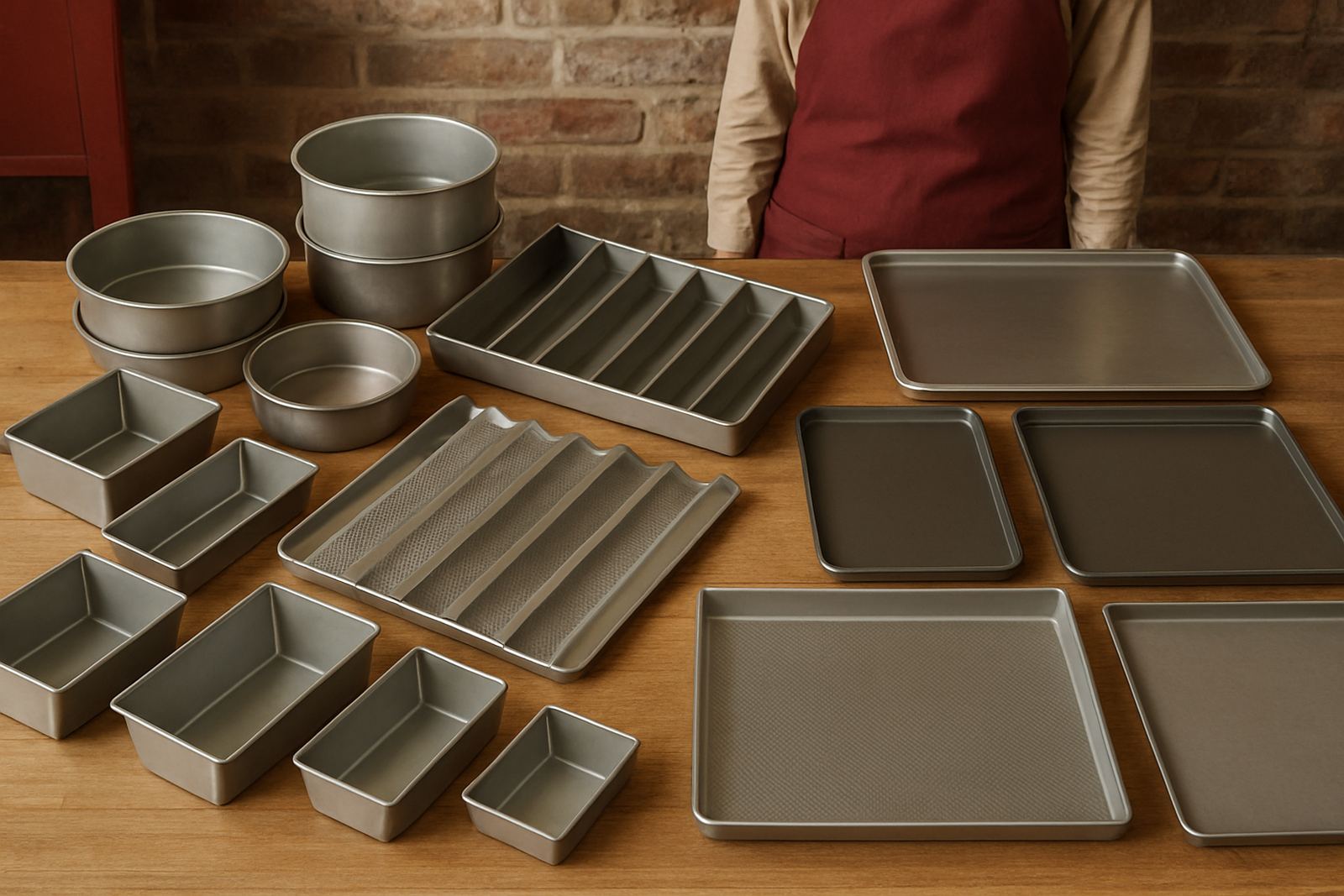
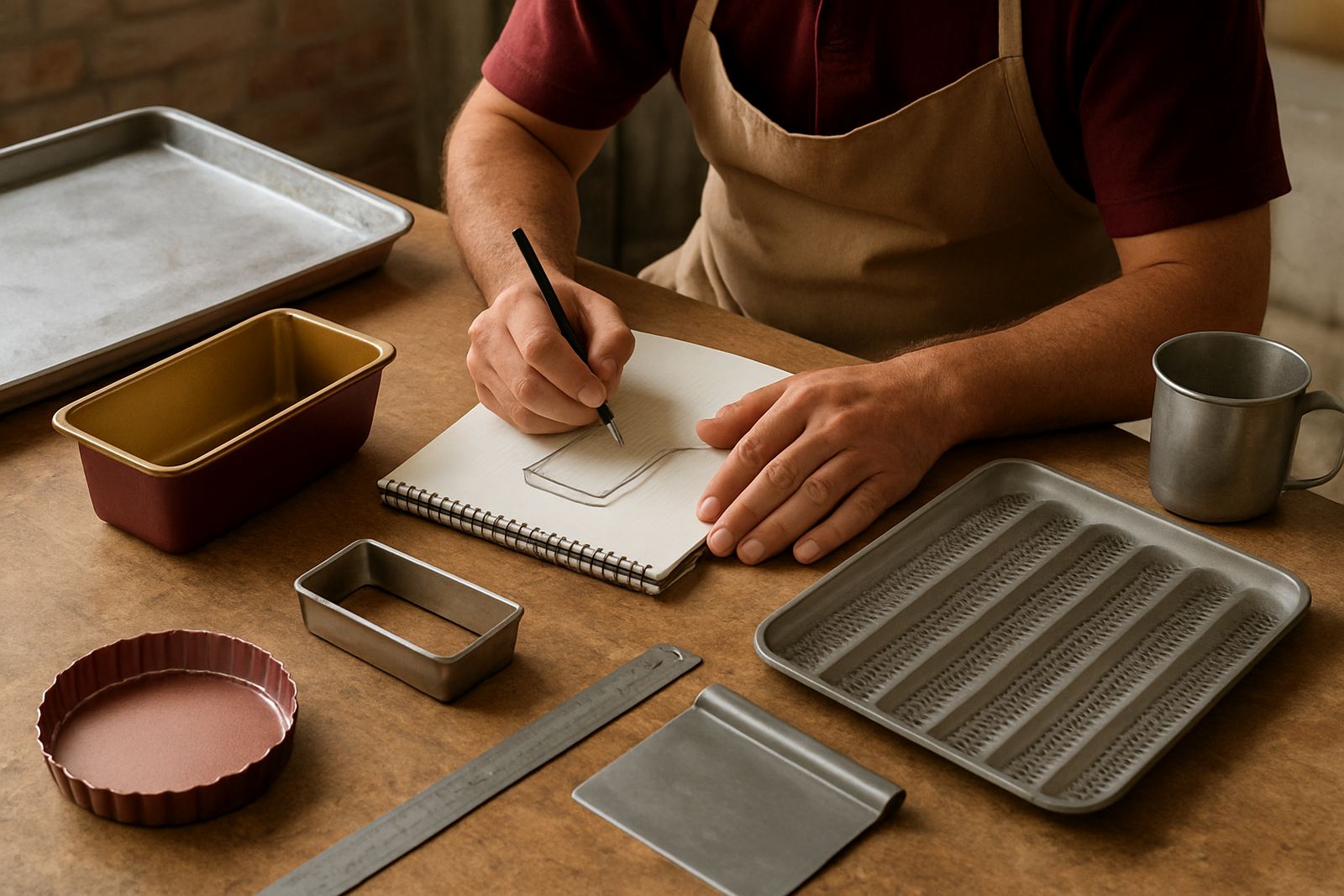
Ask for the final pick list and check whether the order includes bread pans, lids, perforated trays, baguette trays or a mixed load. If you ordered size matching, pan copying or a special lid fit, confirm the final dimensions as well. A small mismatch at collection time can slow everything down, especially if the items need to be repacked before you leave.
- Check the order number and collection name.
- Confirm whether the goods are ready for immediate loading.
- Ask if any items need a last inspection before release.
- Bring proof of payment or remittance advice if required.
2. Choose a vehicle that can handle the load
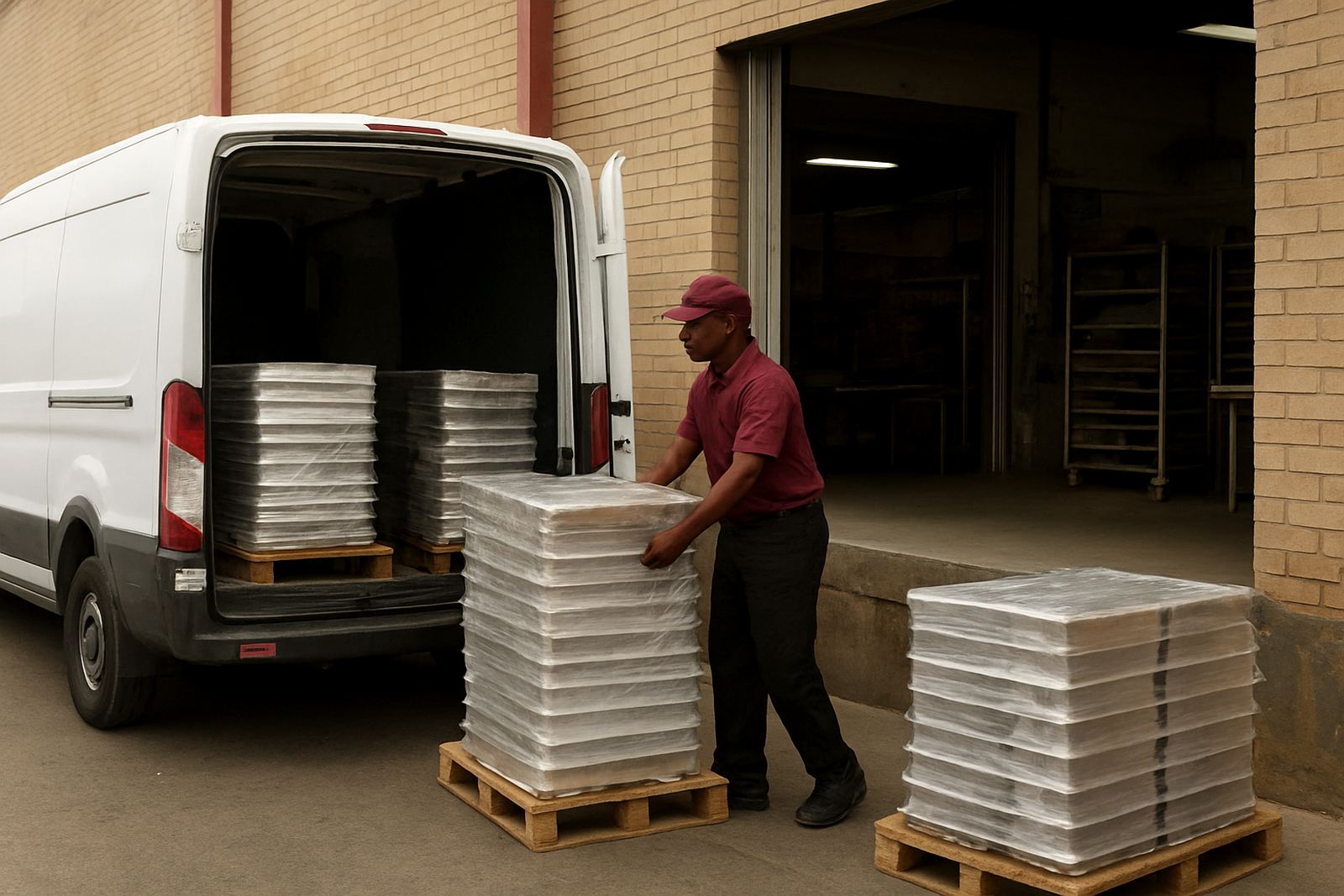
Most bread pans and trays are easy to stack, but they still take space and need support. A bakkie with tie down points is often enough for smaller orders, while bigger batch reorders may need a flatbed, trailer or panel van. If you are collecting multiple tray sizes, think about the height of the stack as well as the floor area.
Metal bakeware can move during braking, so packeged items should still be strapped down properly. On the way back through Johannesburg South traffic, a load that shifts in the back can bend tray corners or scratch lids. For coastal customers coming from Durban or the East Rand on a humid day, keeping the load dry also helps prevent surface marks during transit.
- Use ratchet straps or strong rope, not loose plastic tie-downs.
- Put heavier items at the bottom and lighter items on top.
- Use cardboard, foam or blankets between stacked trays if needed.
- Make sure the vehicle can take the weight without overhang problems.
3. Know the Alrode route and timing
Alrode is busy during factory hours, especially around shift changes and freight movements. If you are coming from Soweto, Midrand or central Johannesburg, plan for traffic delays and allow extra time for entry, loading and paperwork. Early morning collections are usually simpler because there is less pressure on the yard and the roads are calmer.
Load-shedding can also affect timing. If you are collecting during a scheduled outage or after one, it helps to phone first in case loading equipment, lighting or admin work is moving slower than normal. Even a short delay can affect a chain of deliveries if your driver still needs to reach another bakery in the afternoon.
- Leave a time buffer for gate checks and loading.
- Bring a phone that stays charged in case directions need to be confirmed.
- If using a driver, give them the collection name and contact number in writing.
- Check whether your route has low bridges, weight limits or roadworks.
4. Inspect the pans and trays before loading
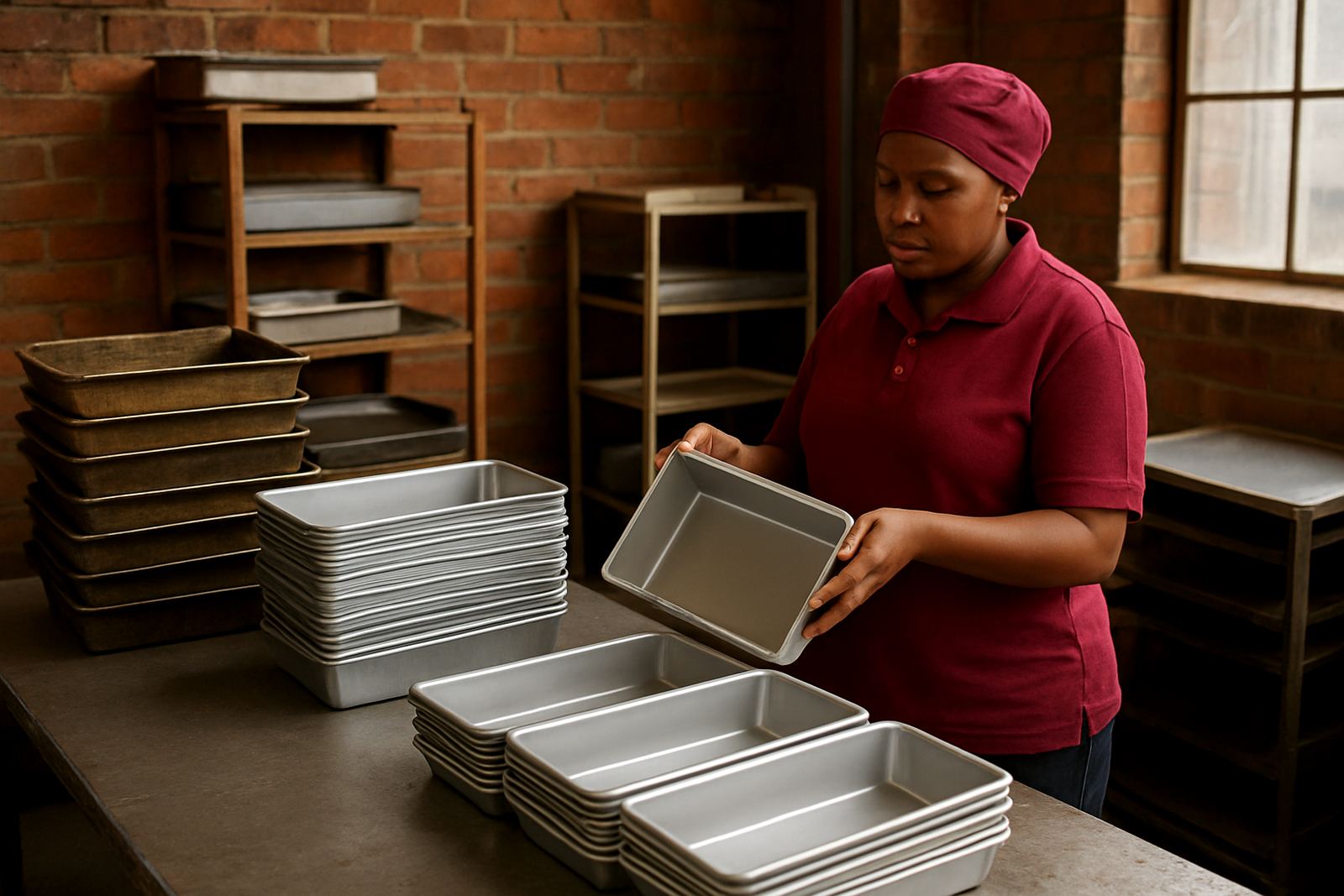
A quick inspection at collection is worth the extra minute. Look for straight edges, clean welds, even perforations and correct lid fit. Bread pans should sit properly when stacked, and tray corners should not be twisted. If you ordered a divider insert or a special pattern, check that it is included before signing off.
This is especially useful for bakeries replacing older stock. A pan that is a few millimetres out can affect loaf shape, bake consistency and how the product releases after cooling. It is easier to sort it out at the factory than once the vehicle is already on the R59 or halfway to a store room in Germiston.
- Check the quantity against the order.
- Compare sample pieces if you ordered matched sizes.
- Look for sharp edges, dents or uneven forming.
- Make sure lids and pans are paired correctly.
5. Pack for the trip back, not only for the yard
Factory loading and bakery unloading are not the same thing. A good pickup plan thinks about the whole journey, including the stop at your bakery and the space where the goods will be stored. If the pans are going straight into production, keep them easy to reach. If they will sit in a storeroom first, label the batches so staff know which sizes go where.
For bakeries in humid areas or near industrial steam, it is a good idea to unload soon after arrival and dry the stock if it was exposed to mist or rain. Mild steel items can last well when stored correctly, but they still need a clean dry space. A little care here avoids rust spots, bent corners and wasted time sorting mixed stacks later.
- Carry a dry cloth or blanket for wipe down if the weather turns.
- Separate new stock from old stock at the store room door.
- Mark trays that are for specific ovens or product lines.
- Store lids flat so they do not get twisted in transit.
6. What local bakeries usually get right
Busy bakeries in Alrode, Alberton and Boksburg tend to do the same few things well. They send one person to collect, they bring the right vehicle, and they keep the order details on hand. That means less waiting at the gate and fewer mistakes when the goods are counted out. It also helps when there is a same-day run to Soweto or a delivery schedule that leaves little room for delay.
A simple example is a small bakery in Germiston collecting replacement bread pans and a few perforated trays before a weekend rush. The owner phones the day before, confirms the numbers, sends a driver with straps and blankets, then checks each stack before leaving. The whole stop is short, and the bakery gets back to work without chasing missing items later.
That is really the point of factory pickup. It should save time, not create extra admin. When the order is clear, the vehicle is ready and the goods are checked properly, collection from Alrode becomes a straightforward part of the week.