Why mixed bakeries need more than one pan size
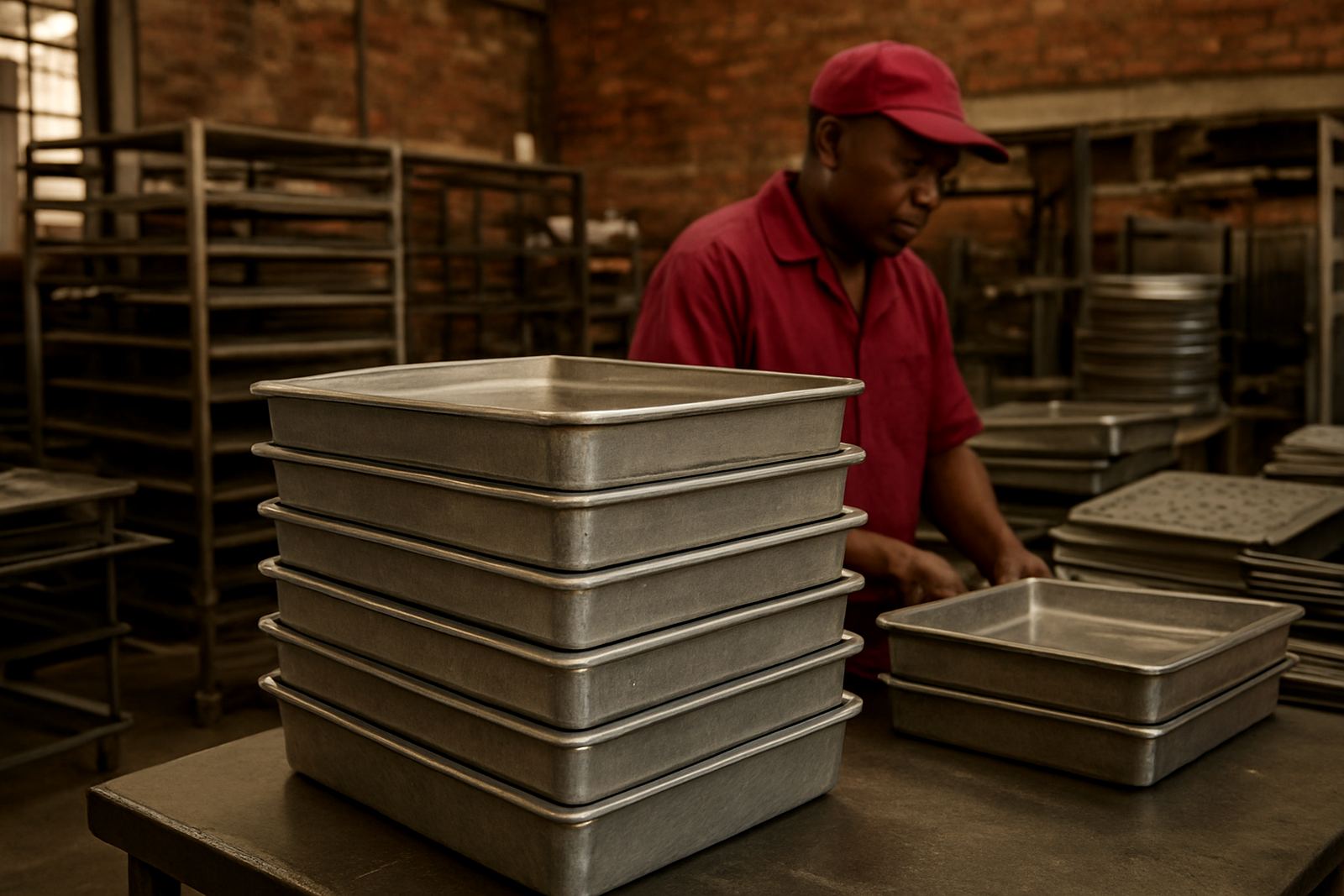
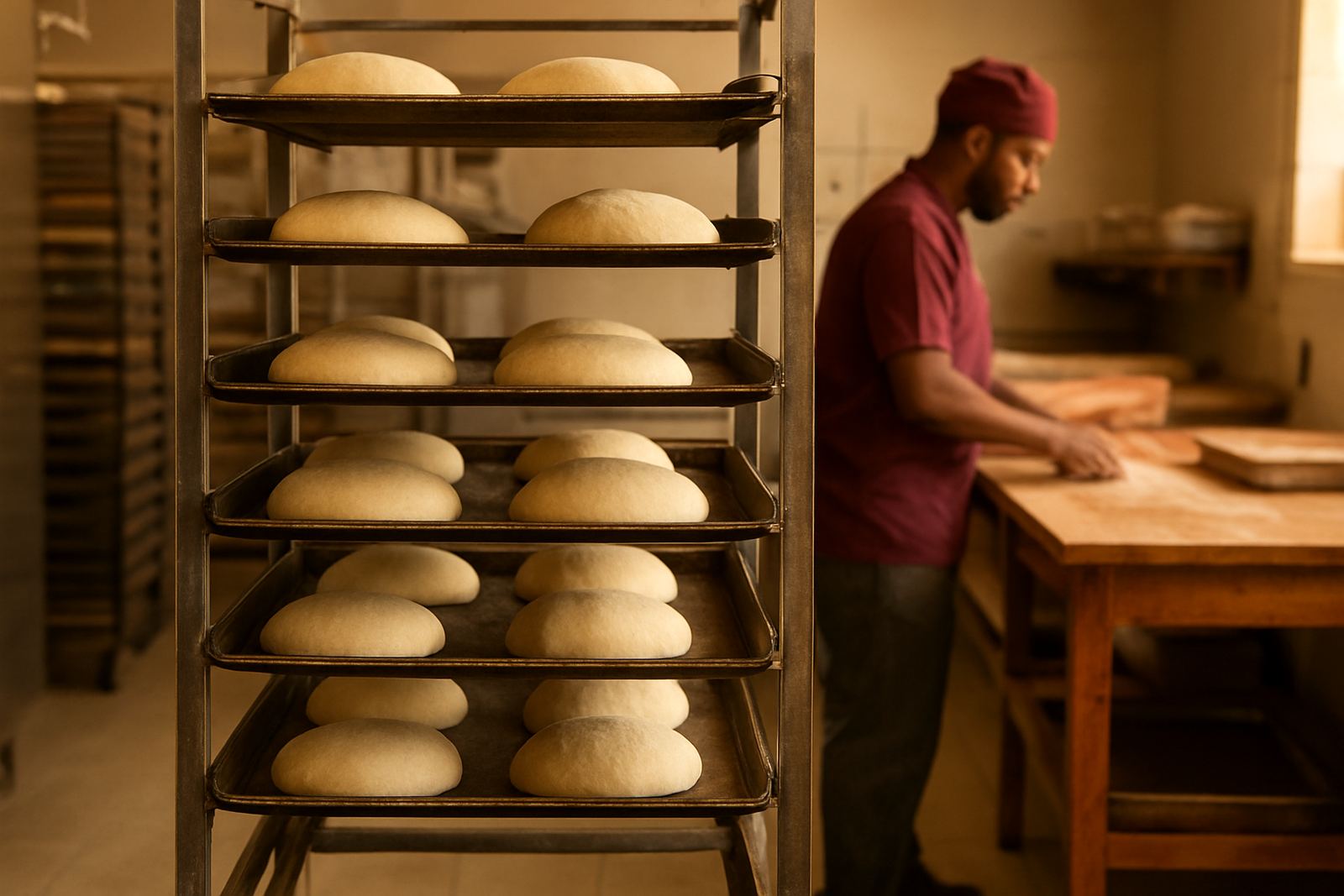
A bakery that makes only one item can settle on one pan size and one rhythm. A mixed product bakery cannot. Bread tins, pastry trays, cake tins and specialised bakeware all need to fit the oven layout, the cooling area and the packing table, otherwise staff waste time moving product around and sorting mismatched stock.
In Johannesburg South and the wider Gauteng area, many bakeries supply schools, canteens, cafés, spaza shops and independent retailers from the same facility. That means Monday might be a full bread run, Tuesday a pie order and Wednesday a sweet tray bake for a promotion. When the equipment range is planned properly, each product has its place and the kitchen does not become a pile of mixed tins and bent trays.
Start with your highest volume item and work outward
The easiest way to plan a mixed bakeware set is to begin with the item that carries the most volume. For some bakeries that is standard bread, for others it is rolls or savoury pastry. Once the core product is covered, add the trays and tins needed for the next two or three steady lines. That avoids overbuying on the wrong item while leaving room for growth.
At Bakery & Catering Equipment, size matching and pan copying are often useful when a bakery already has a working process but needs to replace old tins or expand the same product line. If a pan depth, lip or lid fit is working well, it makes sense to keep that format consistent across batches, especially when different shifts handle the same stock.
- Match the pan size to the oven shelf and the proofing space.
- Keep the heaviest duty items for the busiest products.
- Use consistent lid fitting where loaves or covered bakes must hold shape.
- Plan for batch reorders so one product does not run out first.
How to balance loaf pans, pastry trays and tins on one floor
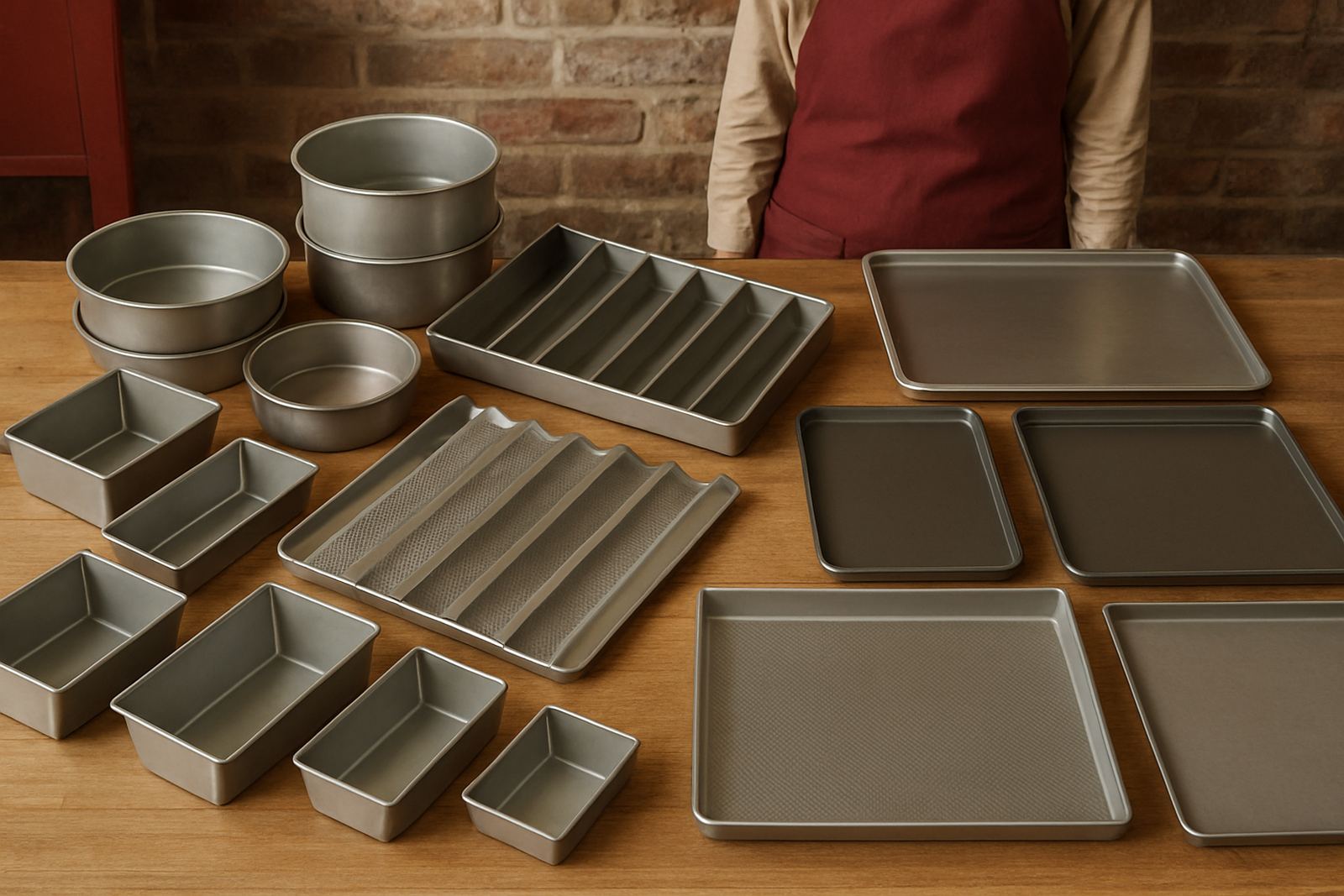
The best mixed bakeries do not treat every item the same. Loaf pans want even support, pastry trays need quicker turnover and tins for cakes or sweet loaves may need a different gauge depending on bake time and handling. If the same trolley carries all three, it helps to standardise tray widths where possible so loading and offloading is quicker.
Perforated trays can be a real help where a bakery needs air movement under rolls, buns or baguettes, while closed trays suit wetter mixes or items that need a firmer base. Baguette forming is also easier when the tray design is matched to the shape of the product, because the dough stays aligned and the finishing work is cleaner.
- Use perforated trays for faster airflow and better crust development.
- Keep closed trays for wetter doughs and products with more spread.
- Choose heavier gauge builds for repeated daily use.
- Separate pastry trays from bread tins to reduce dents and contamination.
Local conditions affect what lasts and what warps
In Alrode, Germiston and Boksburg, many bakeries work long shifts with heat from ovens, washing areas and prep space all in the same room. Add load-shedding, voltage changes and fast turnarounds, and light-duty equipment can start to bend sooner than expected. Near the coast this issue is worse because humidity can affect storage and rust spots, so finish and cleaning routine matter.
Heavy gauge builds are often the better answer where trays are used daily and stacked often. If the bakery washes equipment often, dries it properly and stores it off wet floors, the life of the item improves. That said, even the best tray will struggle if it is overfilled or forced into a rack that is too tight. Small issues like that are what cause crooked loaves and uneven bakes later on.
A bakery owner in Soweto who supplies a few retail outlets and a school contract, for example, may need one set of strong loaf pans for daily bread and lighter pastry trays for weekly specials. Keeping the two ranges separate saves time at packing and reduces mix-ups when staff are busy during morning dispatch.
When to copy an existing pan and when to change the spec
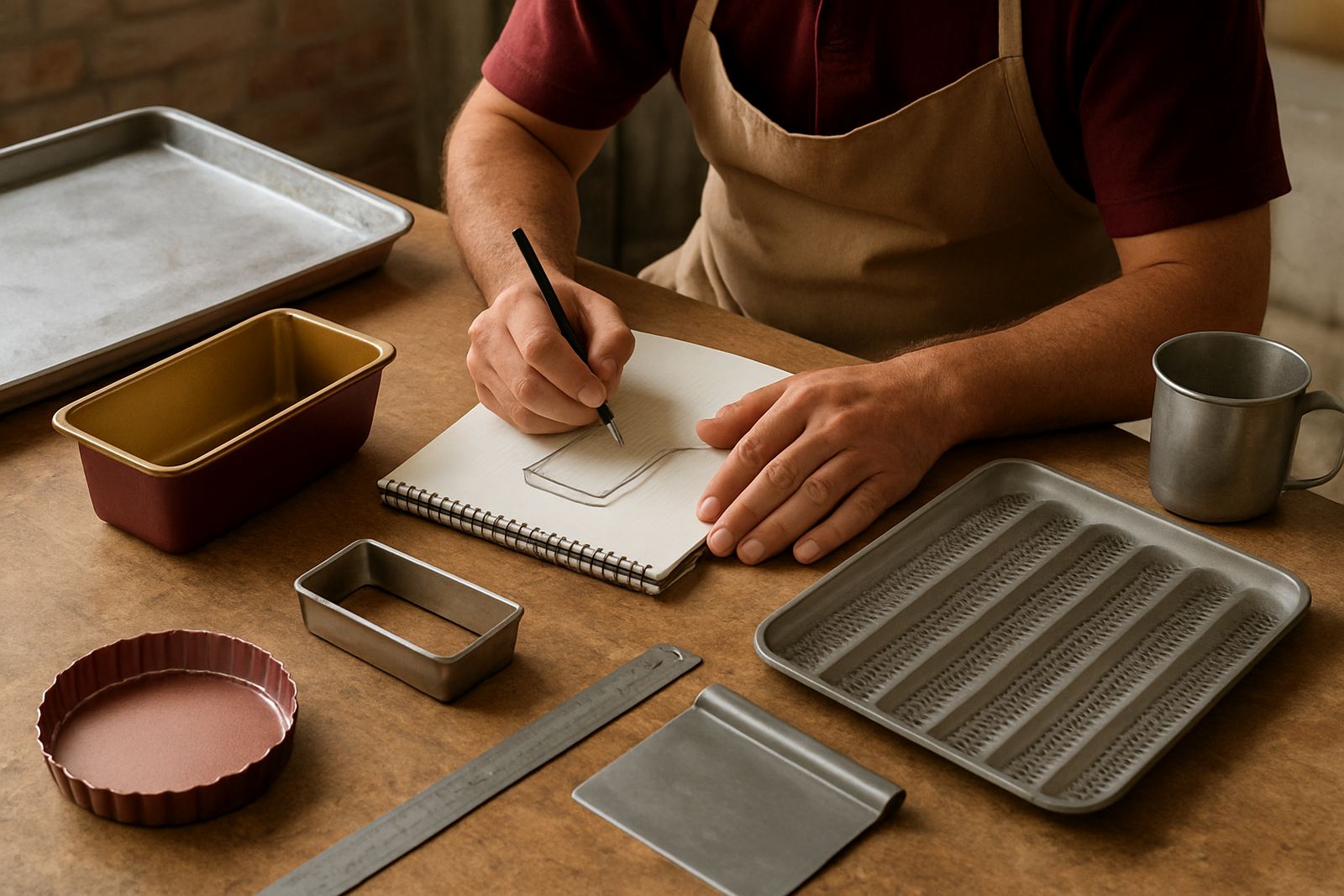
Many bakeries already have a pan that fits the recipe, the oven and the brand presentation. If the shape is working, pan copying is often the sensible move because the bake result stays familiar. But if the current pan is causing sticking, poor rise or uneven browning, then a spec change is worth discussing rather than making another exact copy.
Factory consultations help when the bakery is opening a second branch or adding a product line. A practical review can check whether divider inserts would speed up production, whether a lid is needed to control loaf profile, or whether a different tray depth will improve output. It is better to solve those points before a big batch order than to carry the same problem into the next year.
- Copy a pan when the bake result is already correct.
- Change the spec when cleaning, wear or handling is causing losses.
- Use divider inserts where portion control is part of the process.
- Ask for prototype runs before committing to larger quantities.
What a steady reorder plan looks like
Mixed product bakeries often buy in bursts, then struggle when one tray type runs low and another is sitting idle. A better pattern is to keep a stock list that links each product to its matching pan or tray count. That makes reordering simpler and helps the dispatch team know what is ready for use, what needs repair and what needs replacing.
For bakeries in Midrand, Alberton and other busy parts of Gauteng, the small detail that matters most is not the price on one item, but whether the whole set supports daily production. If the pans and trays are organised around actual output, the team spends less time searching, less time correcting and more time baking. That is where mixed operations start to feel easier, even on a full day.
Bakery & Catering Equipment supplies bread pans, lids, baking trays, perforated trays and baguette trays for bakeries that need practical sets, not random pieces. From first samples to batch reorders, the aim is simply to keep the floor working and the orders moving.