Why two orders for the same pan can land at different times
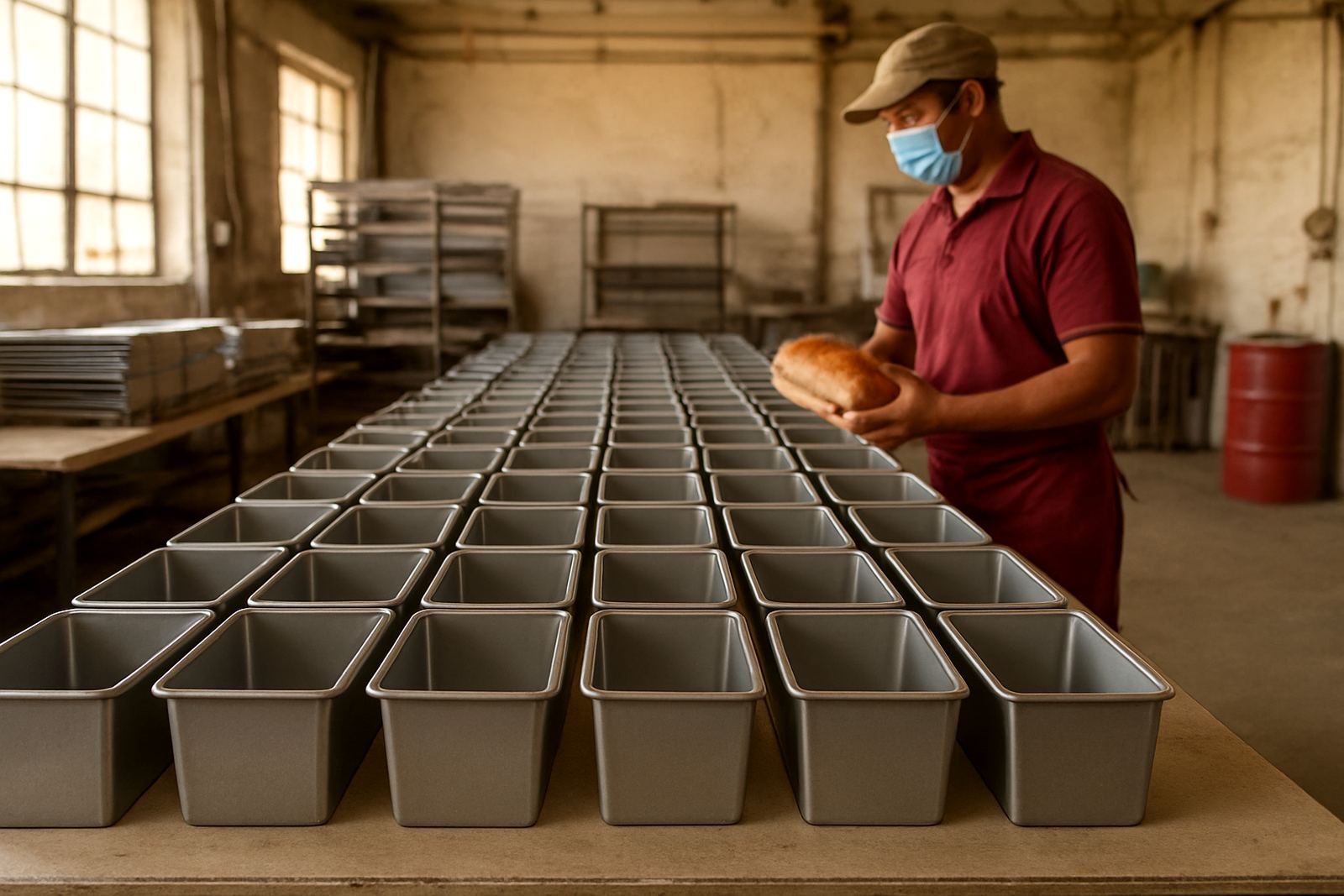
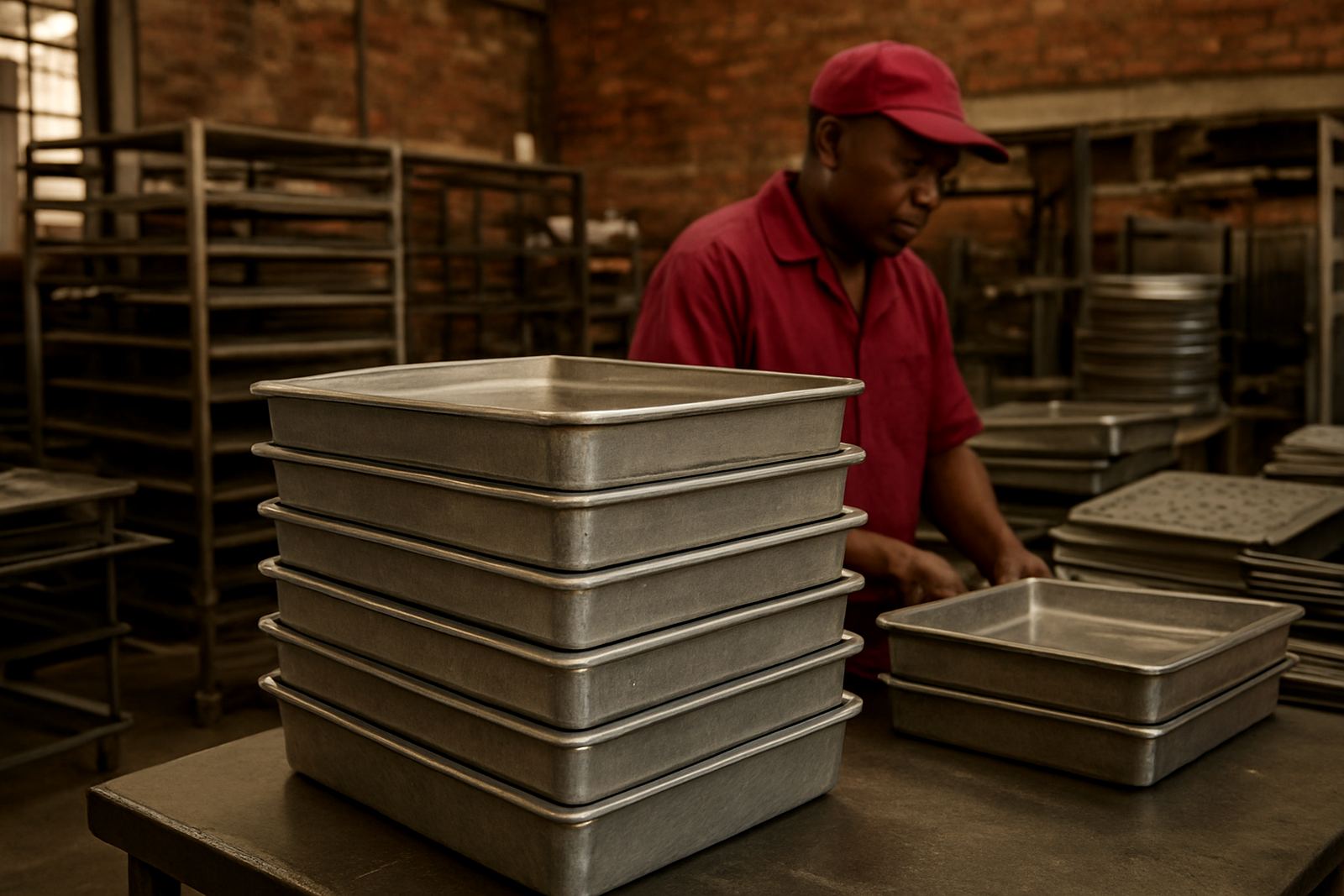
Two orders may look the same on paper, but one can move faster because the sizes are already set, the tooling is ready and the material is in stock. A standard BO3 or BO4 bread pan usually has a shorter turnaround than a new custom tray because there is less setup before production starts.
The biggest difference is often not the pressing or folding itself, but the work that happens before metal goes into the machine. Checking dimensions, confirming lip style, matching lids and making sure the gauge is right all take time. If a bakery sends a clear sample or drawing, the order can move through the workshop with fewer stops.
What speeds up standard bread pan orders
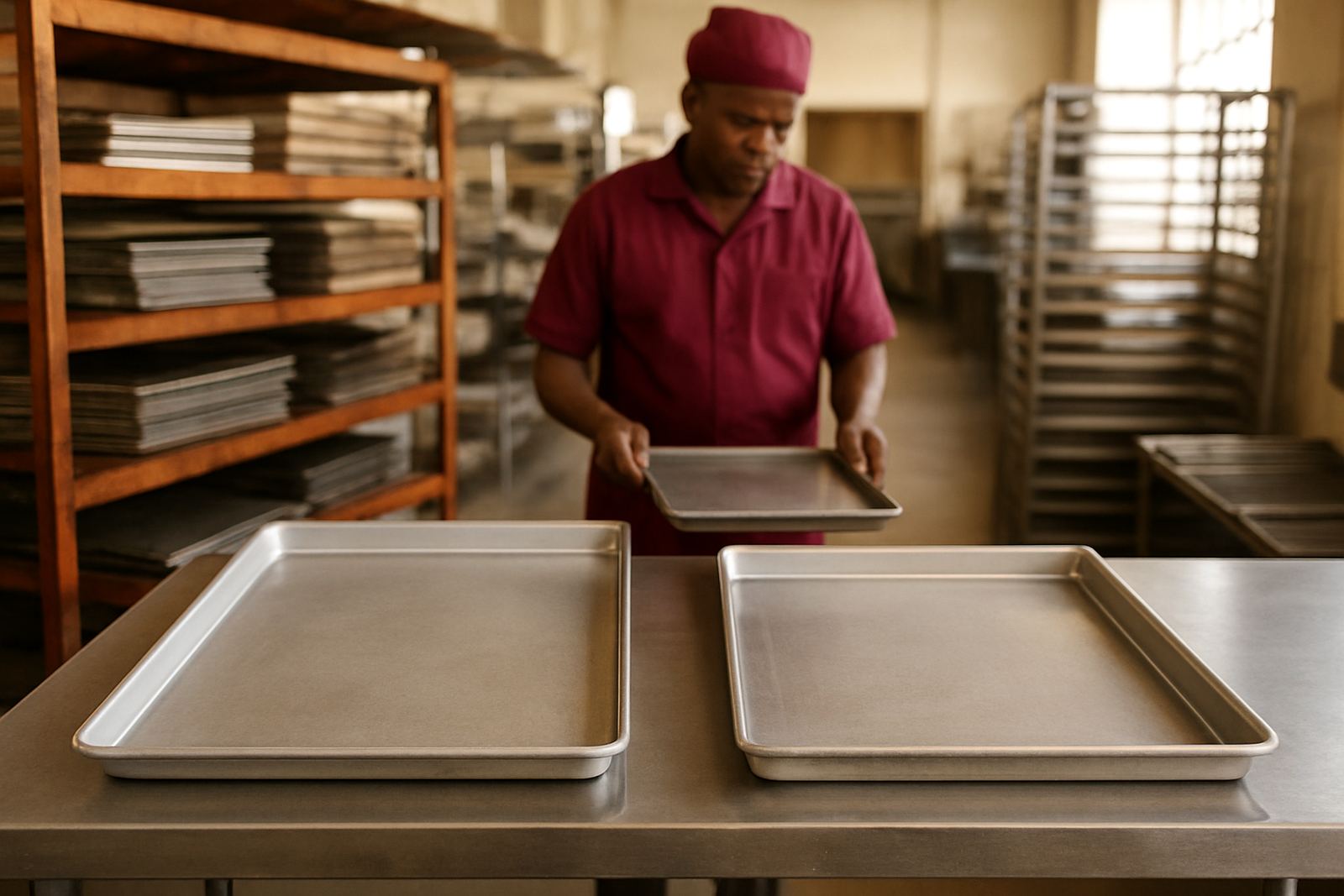
Standard bread pans, lids and common tray sizes are quicker because they repeat well. When the team can match an existing pattern, production is more predictable and the workshop can group similar jobs together. That helps when the factory is balancing bread pans, perforated trays and baguette trays in the same week.
- Exact size given in millimetres, not roughly estimated
- Clear quantity for each item in the order
- Known pan type, such as BO3, BO4 or BO5
- Confirmed lid fit if lids are included
- Collection or delivery details provided upfront
Even with standard work, small missing details can add a day or two. A tray that must match an old oven rack or a pan that has to fit a specific lid profile needs checking before cutting starts. That is normal and it protects the final result.
Why custom bakeware takes longer than off-the-shelf sizes
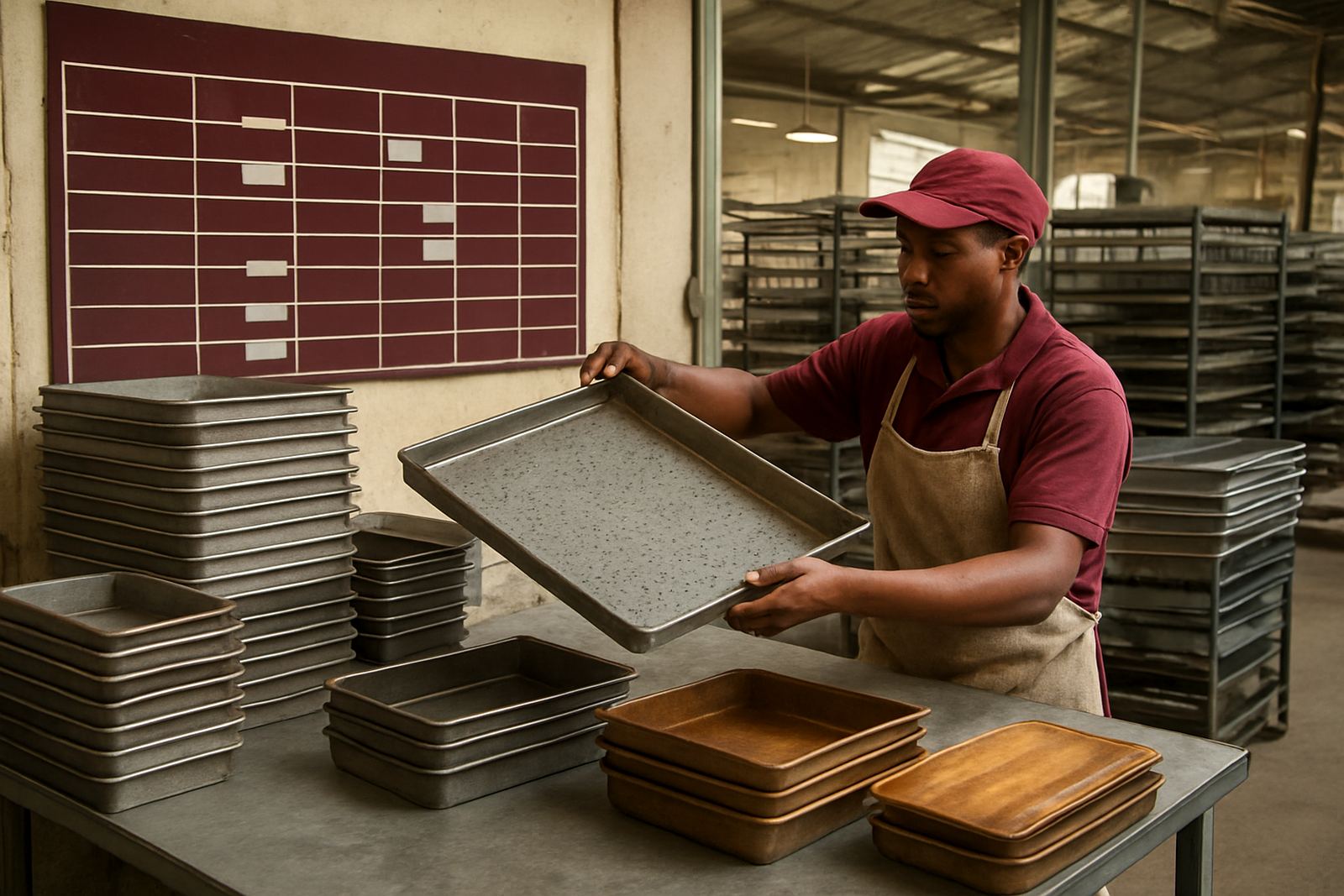
Custom jobs usually move through more steps. A bakery may need a different depth, a special flange, reinforced corners or a perforated tray that suits a particular loaf shape. Baguette forming and divider inserts also need more attention because the spacing and finish affect how the dough rises and how the oven loads.
For these orders, the lead time depends on whether the job is a first run or a repeat. A prototype run will always take longer than a batch reorder because the first piece must be checked, adjusted and approved before the rest are made. If the bakery wants a heavy gauge build for daily use in a busy plant, the extra material and forming time also affect timing.
- Prototype runs usually take longer than repeat batches
- Special perforation patterns need setup and testing
- Heavy gauge material can slow forming and finishing
- Extra inserts or fittings need a separate check
How material stock changes the waiting time
Lead times often stretch when the right gauge or sheet size is not on hand. If the required mild steel is available, the job can start sooner. If stock needs to be sourced, especially for a special thickness or a larger tray format, the order waits until material arrives at the Alrode workshop.
This matters more in peak bakery periods, like before school terms, holiday runs or contract supply changes. A bakery in Germiston or Boksburg that waits too long to place a reorder can find itself stuck behind a queue of similar jobs. Planning ahead by even one week can make a real difference when the factory is busy.
The local factors that affect turnaround in Gauteng
Working in Johannesburg South means lead times are not only about fabrication. Load-shedding, road delays, municipal access times and weather all play a part. On a hot week in Alberton, material handling and dispatch can shift slightly. In coastal conditions are less of a concern here, but humidity in storage still matters for steel that must stay clean and dry before forming.
Orders going to Soweto, Midrand or other Gauteng areas may move out on the same day if the route and payment are confirmed early. If a client wants collection, the dispatch team needs enough notice to stage the order safely. That keeps trays from being mixed up and helps avoid extra trips.
- Confirm payment or account status before dispatch day
- Book collection times early for factory access
- Allow for traffic between Alrode, Germiston and Boksburg
- Plan around load-shedding if a final inspection is needed
What to send when you want the fastest possible quote and start date
The quickest jobs usually begin with the clearest paperwork. If you are ordering bread pans, perforated trays or baguette trays, send the size, quantity, gauge if known, and any sample or old pan that needs copying. Photos help, but measurements matter more than pictures.
It also helps to state whether the order is for an immediate replacement, a stock build or a planned rollout. A bakery replacing worn pans one by one may need a different schedule from a wholesaler placing a batch reorder for multiple branches. When the request is clear from the start, there is less back and forth and the workshop can plan the cut list properly.
A simple Johannesburg South example
A bakery in Alrode phones for 120 standard bread pans and asks for five custom lids to match an older set. The standard pans can move quickly because the pattern is familiar and the sizes are known. The lids take longer because the fitting has to be checked against the old pans, and one small adjustment may be needed before the batch is released.
If that same bakery had sent one used pan for copying, the exact lip depth and corner shape could be confirmed before production started. That saves time later. It also means the bakery knows whether the order can leave in one shipment or needs to be split into two parts, which is useful when ovens are already booked for night baking.
How to plan orders so the workshop can keep pace
The best lead times come from planning ahead, placing repeat orders before stock runs low and keeping a record of what worked in the oven. Bread pans wear differently depending on cleaning, frequency of use and heat levels. If a tray warps after months of heavy use, the replacement order should note that the original gauge was too light or the lip needed more support.
For bakeries across Johannesburg South and Gauteng, the practical rule is simple: standard items are faster, custom items need more checking, and clear information shortens every step. If the order is urgent, say so early. If it is a repeat, use the last approved size. That is usually the difference between a calm dispatch and a rushed one.