Why proofing trays matter between mix and oven
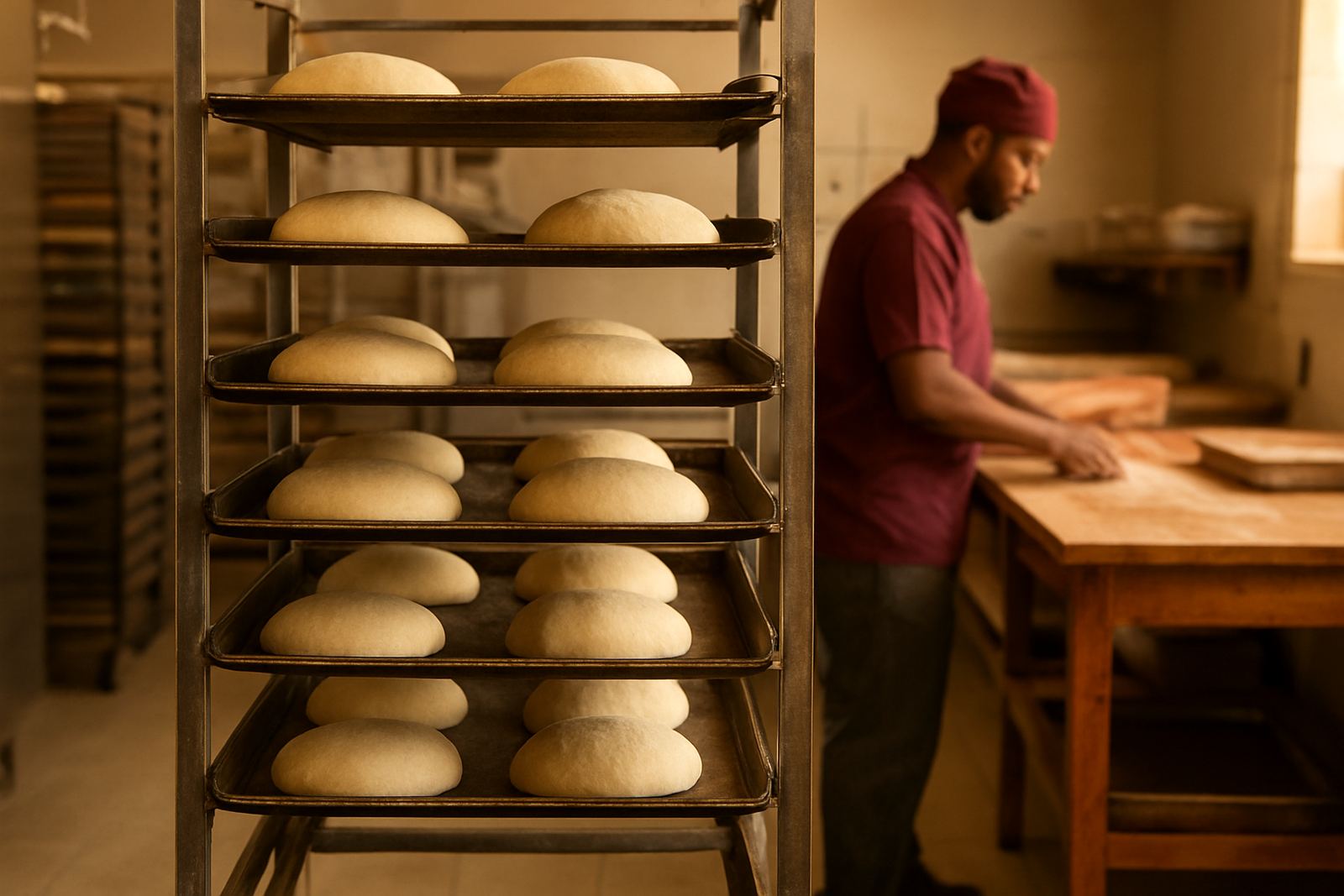
Proofing is the stage where dough relaxes and rises before baking, and the tray it sits on has a bigger effect than many teams expect. A tray with the right depth, finish and spacing helps dough hold its shape while still giving it room to expand. That means fewer torn pieces, less flour dusting, and less handling just to fix a batch that was moving too much on the bench.
For bakeries running standard bread lines, rolls, buns or shaped loaves, proofing trays create a clean handover between the divider, moulder and oven loader. The team is not chasing sticky dough across the table or lifting product twice. In practice that saves time on every batch and keeps the work area neater through the shift.
In hot parts of Gauteng like Alrode, Germiston and Boksburg, dough can soften fast during summer. A proper tray helps keep pieces separated and supported while the room temperature climbs, and that matters even more when load shedding forces the bakery to restart equipment and reorganise the line mid shift.
Cleaner handling starts with the tray surface
Clean dough handling is mostly about reducing unnecessary contact. When a tray has a smooth, correctly formed surface, staff can place pieces quickly without stretching the dough or pressing out air. Perforated trays also help because they allow better air movement under the dough, which is useful where humidity is high or the bakery room gets warm.
For bakeries near the coast, or where moisture builds up inside the production area, sticking becomes a daily problem. A tray that has been formed correctly and kept in good condition can make the difference between a neat transfer and a damaged batch. If the tray bows, rusts or has rough edges, dough picks up marks and the operator starts adding extra flour just to keep things moving.
Good tray handling also protects the floor and the packing area. Less loose dough on the bench means less scraping, less waste and less risk of contamination from bits dropping onto the path between stations. That is especially important where staff are working fast and the same tray is passed along more than once before baking.
- Less sticking during proofing and transfer
- Cleaner product shape before baking
- Reduced dusting, scraping and rework
- Better hygiene around shared benches and racks
Choosing proofing trays for bread, rolls and long products
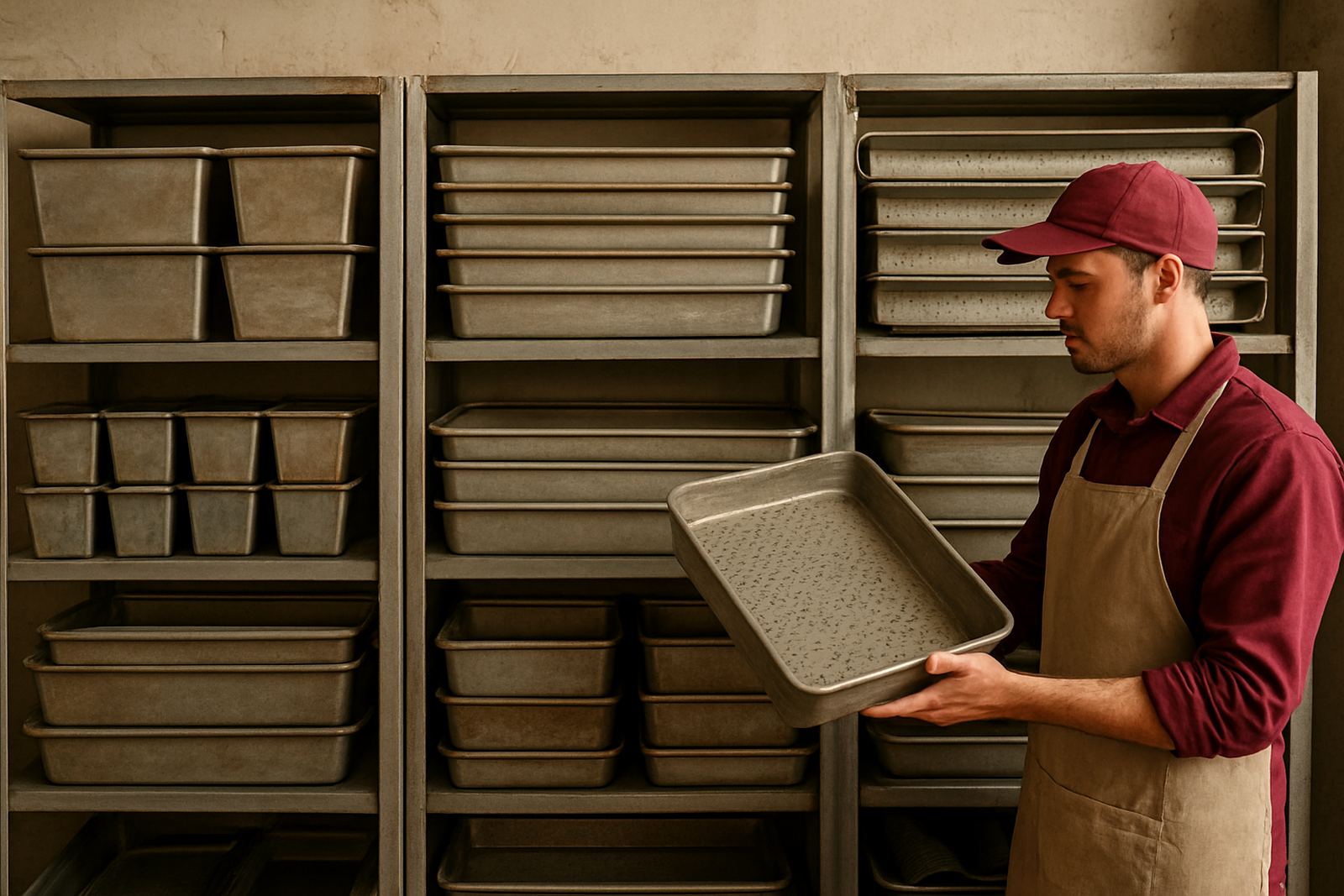
Not every bakery needs the same tray style. A small production line in Soweto may only need a few general purpose trays for rolls and pan loaves, while a larger site in Midrand may need a mix of standard bread trays, perforated trays and baguette trays for different runs. The right size and spacing depends on the product weight, the amount of rise expected and how the tray will move through the bakery.
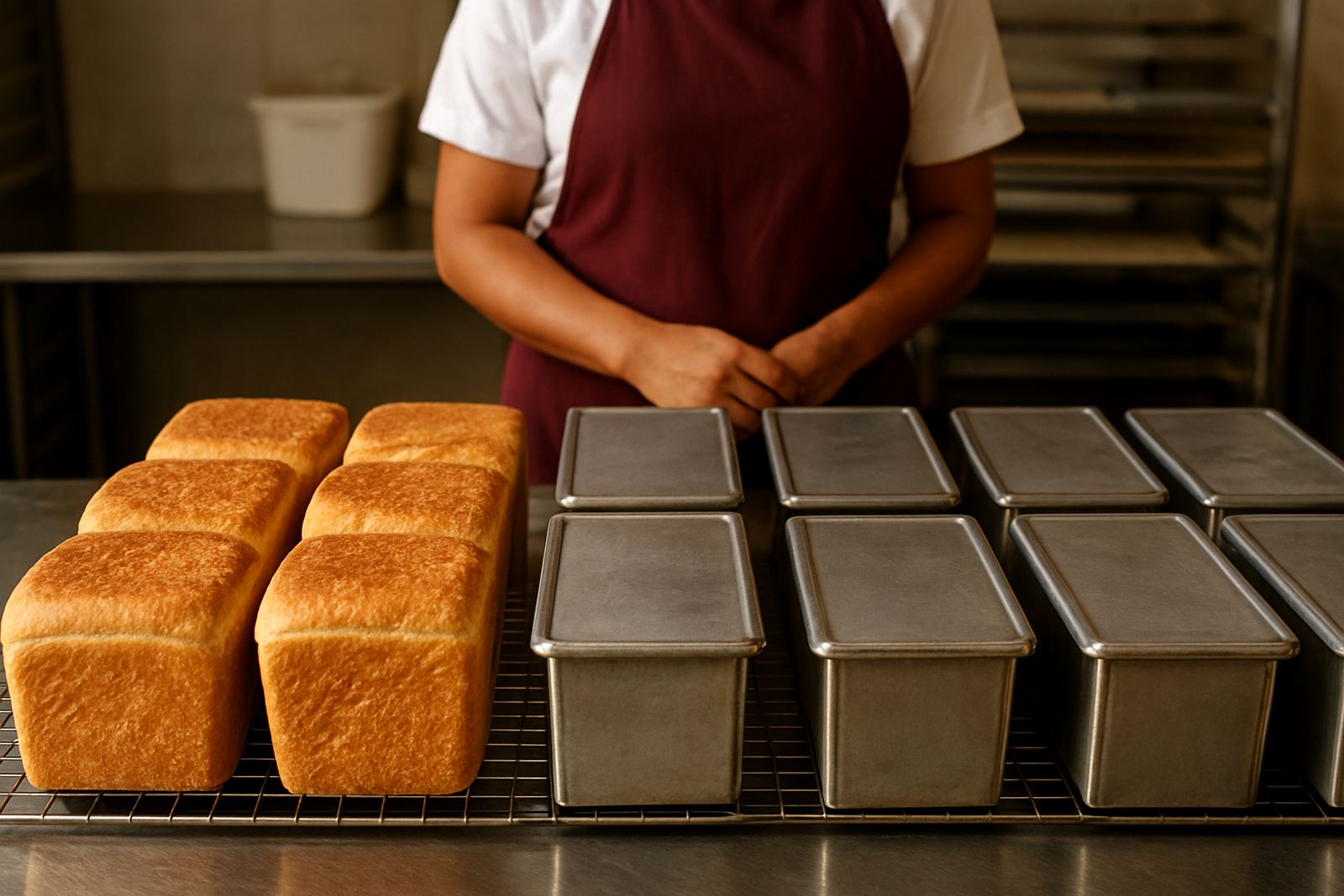
For bread and bun production, a tray should support even spacing so pieces do not touch during proofing. For longer products, such as baguettes, the tray shape should hold the dough in line and stop it from flattening sideways. If the tray is too shallow or too wide, the product spreads before it enters the oven and you lose the shape the mixer and moulder worked for.
A good rule is to match the tray to the stage, not only to the final product. A tray used for proofing may need different spacing or a different gauge from a tray used only for transport. That is where size matching and tray copying can help, because many bakeries already have a process that works and only need trays built to the same dimensions or improved around known weak points.
How proofing trays cut waste in a busy Gauteng bakery
One bakery in Alberton running morning and afternoon shifts was losing product during transfer from the divider to the proofer. The dough pieces were soft by the time they reached the next stage, and workers had to adjust them by hand to keep them lined up. After switching to trays that matched the product size more closely, the team handled each batch once instead of twice, and the floor stayed cleaner through the rush periods.
That kind of change matters when the bakery is dealing with power interruptions, staff changes or a tight dispatch window. If the proofing tray is easy to stack, easy to lift and simple to load onto racks, the team keeps moving even when the day is not running to plan. A cleaner transfer also means fewer damaged pieces at the end, which helps control ingredient cost on flour, yeast and oil.
For bakeries in industrial areas like Alrode and Germiston, dust and heat are part of the workday. A tray that is straight, well finished and made for repeated use stays useful longer than one that bends after a few heavy loads. That reduces replacement frequency and keeps the production line steadier, which is what most owners want more than anything else.
- Fewer damaged pieces during transfer
- Less product loss from sticking or tearing
- Quicker loading when the line is under pressure
- Cleaner racks and better batch control
Keeping trays in working condition
Proofing trays need basic care if they are going to support clean dough handling every day. After use, they should be cleared of flour, dough residue and oil before stacking. If wet trays are left together, especially in humid weather, they can mark, rust or hold odours. In a busy bakery that means more scraping later and more chance of dough picking up dirt during the next run.
It is also worth checking for bent corners, sharp edges and worn perforations. When a tray loses shape, it stops sitting flat on racks and that can cause the dough to move during proofing. If the bakery uses a lot of trays, batch reorders should be planned before the fleet gets too worn because production usually feels the shortage only once the rush starts.
For factories working near municipal drainage and cleaning rules, keeping trays in good condition also helps with wash down control. Straight, easy to clean trays reduce water use and keep the sink area manageable. That is a practical gain, not a fancy one, but it saves time every week.
When to ask for a custom tray pattern
Some bakeries can work with standard proofing trays, but others need a specific pattern to suit their oven loading, rack size or shaped dough. If a tray is too long for the rack, too deep for the proofer or too close in spacing for the product size, the handling problem never really goes away. In those cases a custom tray can solve several small issues at once.
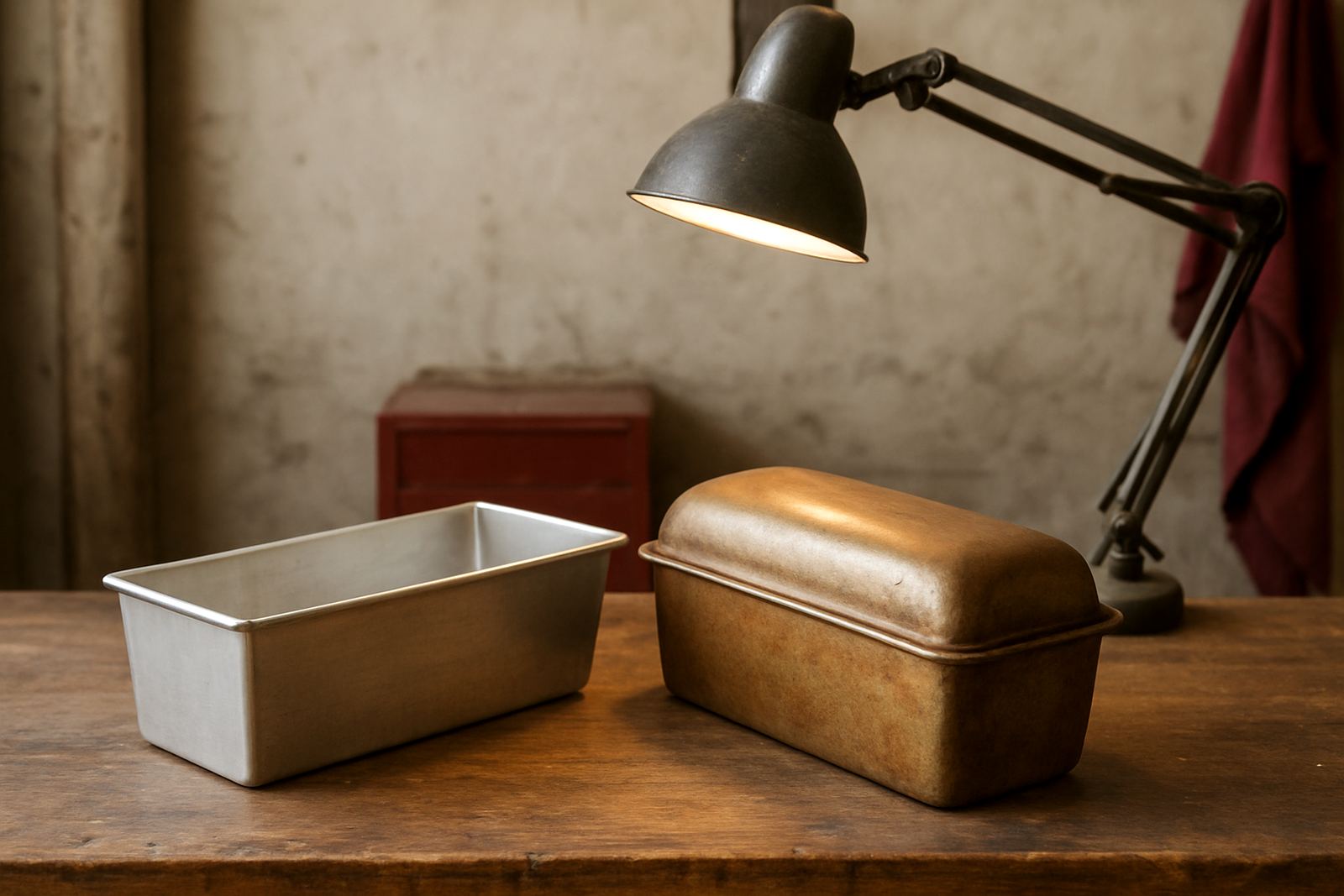
Custom work is also useful when a bakery is copying an older tray that still performs well but is no longer reliable because the originals are worn out. Size matching, lid fitting where needed, tray perforating and prototype runs all help to make sure the new tray sits properly in the line before full production starts. That approach is common where a bakery has built its process over years and does not want to rework the whole system just to change one part.
For a plant in Johannesburg South, the aim is simple: fewer hands on the dough, cleaner movement between stages and a tray that does its job without slowing the shift. When proofing trays are chosen well, the bakery spends less time fixing shape and more time baking product that leaves the line in better condition.