Why repeat orders should start before wear shows
Bread pans, lids and trays usually do not fail all at once. They start sticking more, the sides go out of shape, welds loosen, and product release becomes less predictable. By the time staff are forcing loaves out or rejecting trays at the loading table, the line is already losing time.
For bakeries in Alrode, Germiston and Boksburg, the main issue is usually not only wear, but timing. Once a batch of bakeware reaches the point where cleaning takes longer and the finish is rougher, the changeover has to happen under pressure. That is when a planned repeat order saves you from rushed decisions, short runs and unnecessary repairs.
A good rule is to start reviewing stock before the oldest set becomes your daily set. If one shift is already relying on the same pans and lids every day, you should be checking lead time, quantities and any size changes now, not after production slows.
The signs your next batch is due
Most bakeries can tell when equipment is nearing the end, even if the team has not put it into words yet. Staff will mention sticking loaves, uneven browning, trays that no longer stack properly, or lids that sit loose after repeated use. Those are all signs the next order should be moved up.
- Visible warping after heat cycles
- Rust spots or pitting from washdown and moisture
- Loose seams, cracked corners or tired welds
- Uneven loaf shape from worn bread pans
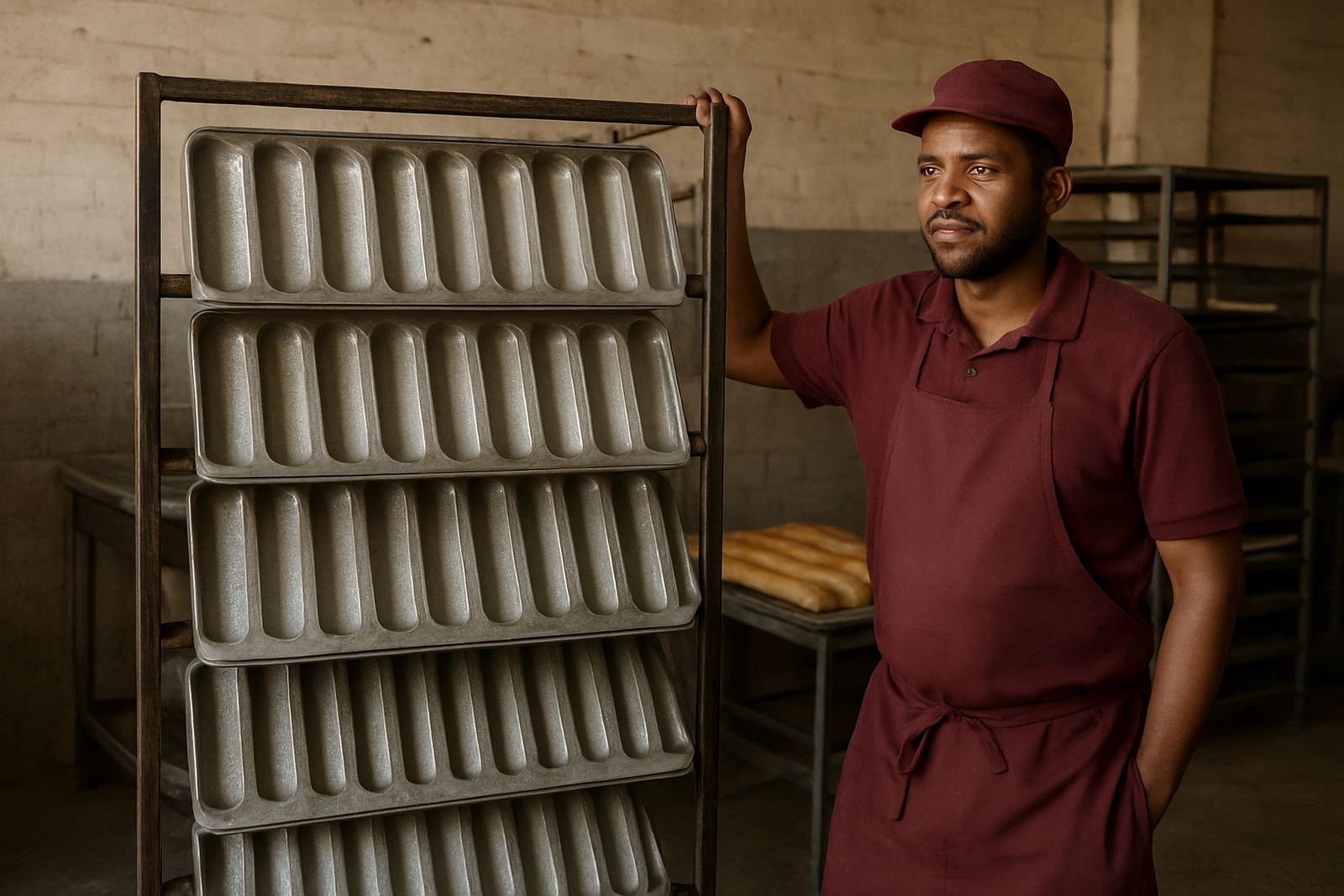
- Perforations that are blocked, bent or damaged
- Trays that no longer sit square in the rack
In coastal areas or damp storerooms, corrosion can move faster than expected. Even mild-steel bakeware that is well cared for can deteriorate sooner if it is stored wet, left near open wash areas or stacked before it dries properly. That is why inspections matter, not just the production count.
How to plan quantities without overbuying
Repeat ordering works best when you match the batch size to actual usage. Count the number of pans, lids or trays in rotation, then work out how many are needed to keep production moving while some are in wash, repair or reserve. A small bakery in Soweto may need a different reserve to a larger site in Midrand running longer shifts.
Do not only order for today’s output. Include cleaning time, load-shedding interruptions, and extra stock for busy periods such as month end or holiday demand. If a municipal power cut stops the ovens, the wash bay and dispatch can back up too, so a spare set helps keep the line moving when power returns.
For many customers, the safest approach is to keep at least one working rotation set beyond the daily requirement. That gives you breathing room if a pan is damaged or a tray batch is held back for inspection.
- Count daily use, not just total stock
- Allow for wash cycles and drying time
- Keep reserve units for peak weeks
- Plan for power interruptions and maintenance days
- Review stock after any product change or new loaf size
Matching the next order to the old one
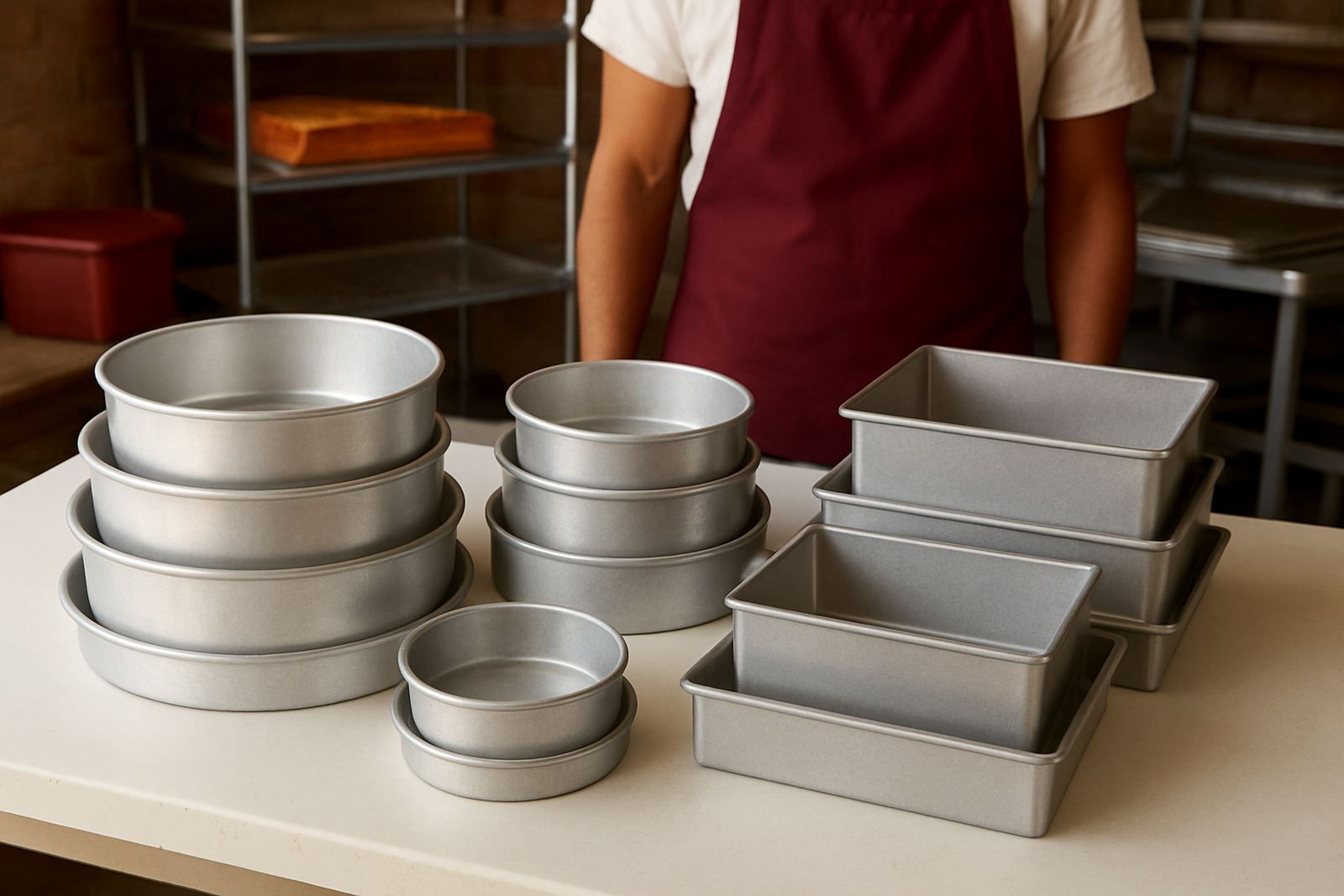
Repeat orders are simplest when the new batch matches the old batch closely. That includes overall size, depth, flange shape, lid fit and the finish needed for your process. If the bakery has adjusted loaf weight or changed product lines, the order should reflect that before the next run begins.
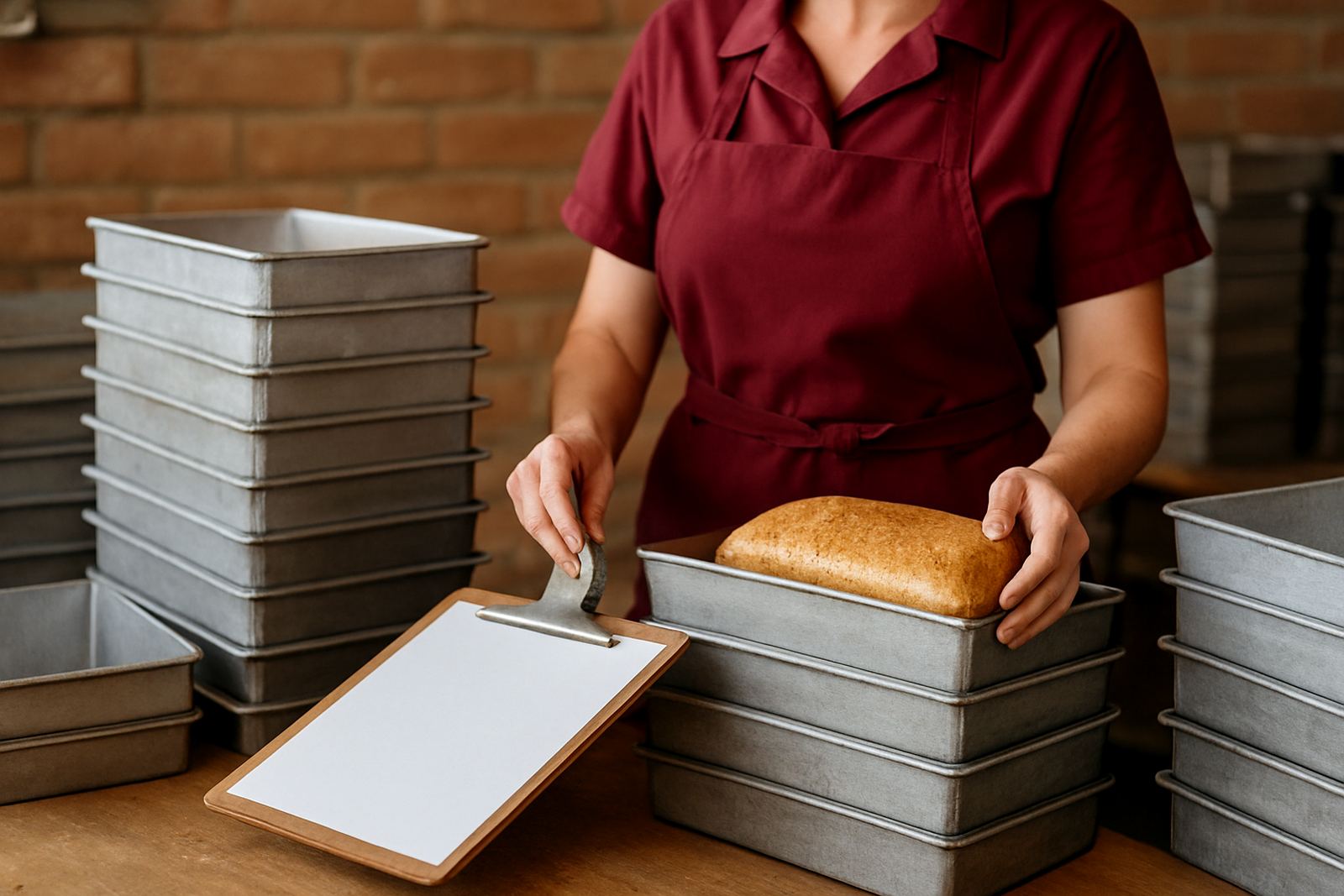
Size matching and pan copying are useful when a bakery wants continuity across shifts or branches. If your team has been using standard BO3, BO4 or BO5 bread pans, or a specific perforated tray style, a direct match avoids retraining and reduces mistakes in the packroom. Where possible, keep one sample unit aside so the next batch can be checked properly against the original.
For bakeries that bake in batches across different sites, consistency matters. A tray that fits in Alrode should fit the same way in Germiston. If the bakeware is slightly off, the issue may only show up when the racks are full and the pressure is on.
Factory checks that prevent repeat problems
A repeat order should not just replace old stock. It should also solve the reason the old stock wore out. That is why a factory consultation can help before the next batch is made. The team can check gauge choice, weld points, tray spacing and whether the current design is suited to the bakery’s real workload.
Sometimes a heavier build is the better option. In other cases, a small change to the lid fit, perforation pattern or divider insert makes the equipment last longer and clean up easier. The goal is to reduce downtime, not simply to buy the same issue again.
- Check whether the current gauge is still suitable
- Review handling and stacking damage
- Confirm fit with existing racks and ovens
- Look at cleaning chemicals and wash routines
- Ask whether the product mix has changed since the last order
A short review before production starts again usually saves more time than fixing a problem after the batch is already in service.
A local timing example from Gauteng
A bakery in Alberton running morning and afternoon production once waited until the last usable pans were already causing sticking. The team had to slow the pack line while the old stock was rotated out, which pushed dispatch into the afternoon. The following repeat order was planned earlier, with extra trays added for wash room turnaround and a few heavier units for the busiest shift.
That small change made the next cycle calmer. Staff could keep one rotation in use while another set was washed and dried properly, and production did not have to stop when one batch was marked for replacement. For many businesses, that is the real value of planning repeat orders early. It protects output, keeps the team steadier, and avoids emergency buying at the worst time.
If your bakery is in Alrode, Johannesburg South, Germiston, Boksburg, Soweto or Midrand, the same approach applies. Check wear early, confirm sizes, and place the next batch while the current one is still serviceable. That way your bakeware arrives before the old set becomes a problem, not after.