When the standard size no longer fits the job
The first sign that you need custom bakeware is simple enough: the standard item does not fit the way your bakery works. A pan can be technically usable and still waste space in the oven, sit loose on a rack, or leave too much gap for loaf shape and crust colour. If your bakehouse in Alrode or Germiston is working with older ovens, mixed rack sizes, or inherited tins, those small mismatches add up fast.
Customising is worth considering when you are losing product on the edges, getting uneven bake times, or fighting with pans that are too shallow, too tight, or too hard to handle. In many bakeries the issue is not the bread recipe, it is the equipment around it. One good sign is when your staff start adjusting the process around the pan instead of the pan doing its job.
- Oven shelves are not standard and leave wasted space
- Loaf height is inconsistent because the pan profile is wrong
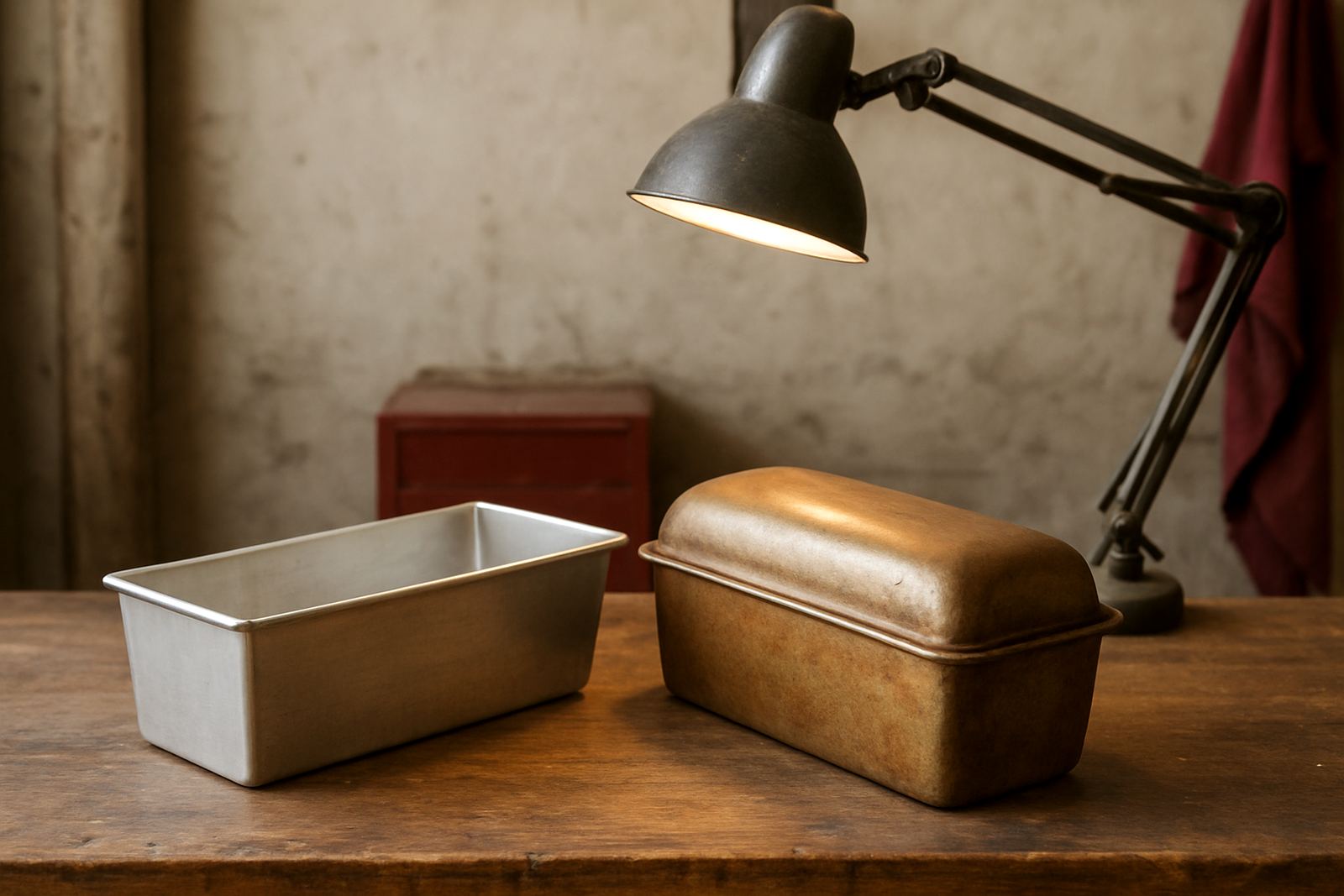
- Lids or covers do not sit properly during proofing or baking
- Trays sag, twist, or scrape in and out of the oven
When wastage is higher than the price of a proper build
Custom manufacture often looks more expensive on paper, but that comparison can be misleading. The real question is what you are already paying for in waste. If a tray bends after a few months, or a bread pan loses its shape and starts producing mixed loaves, the cost is not only replacement. It also shows up in rejected stock, poor slicing, customer complaints, and extra labour.
For bakeries producing daily bread runs, a small fault repeated across dozens of pans becomes a proper drain. Coastal humidity can make thin metal behave badly, and in some Gauteng plants the heat from the ovens combined with rough handling means light-gauge items simply do not last. A heavier gauge build may cost more upfront, but if it stays true and gives consistent service the figures change quickly.
- Repeated replacement of worn pans within a short cycle
- Scrapped product caused by uneven heat or poor release
- Extra labour spent straightening, cleaning, or sorting damaged trays
- Downtime while the bakery waits for a substitute order
When output is growing and the line needs consistency
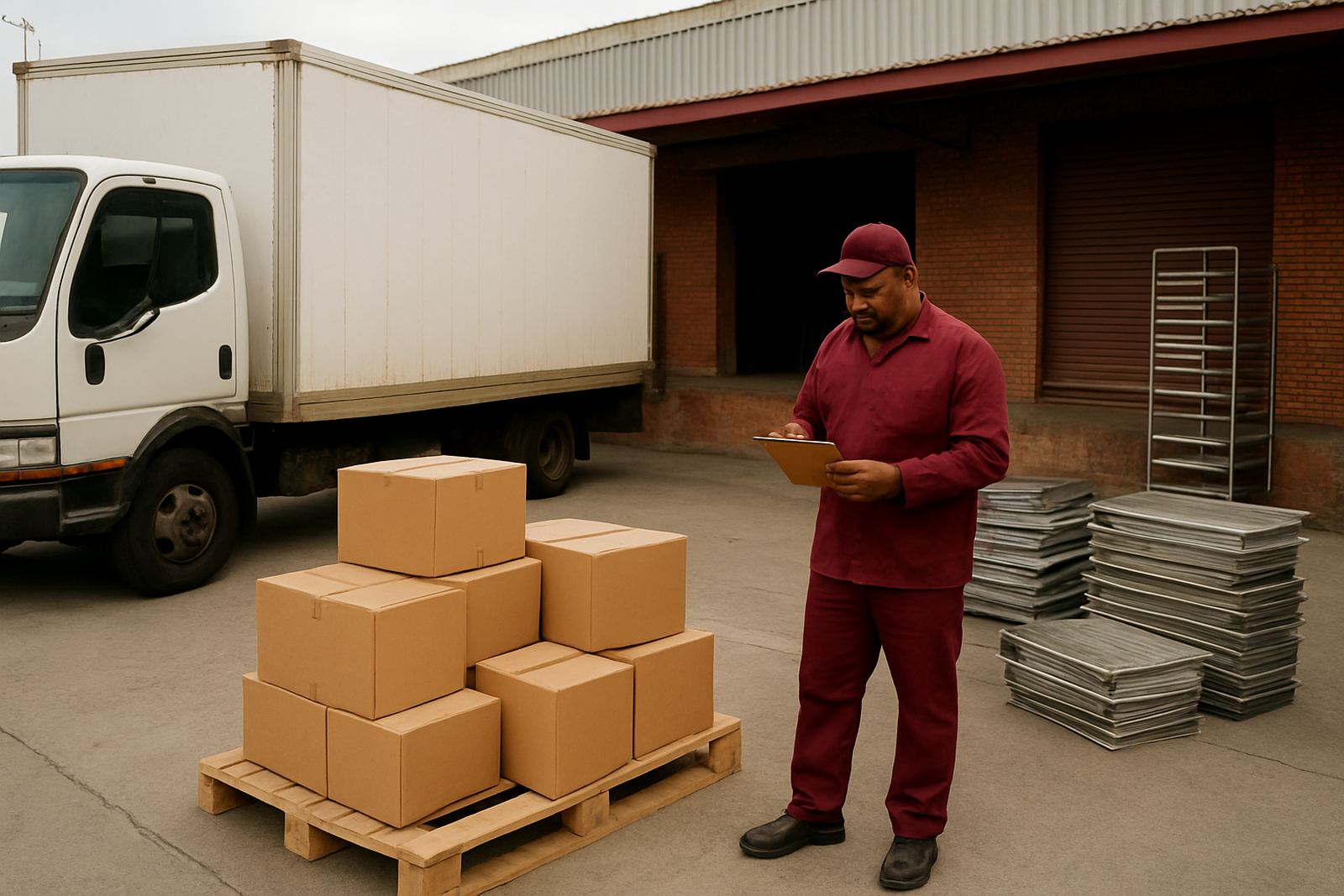
Growth is often the point where standard lines start showing their limits. A small bakery can manage with mixed pans and a bit of manual sorting, but once production grows that approach becomes messy. If you are feeding several branches, supplying retail counters, or running early morning wholesale drops from Midrand to Soweto, consistency matters more than ever.
Custom pans, lids, perforated trays, baguette trays and divider inserts can be matched to the way your team loads, bakes and packs. That means the process becomes easier to repeat. The loaf comes out the same size, the tray handles the same quantity, and the staff learn one system instead of three. It sounds minor, but on a busy shift it saves time and mistakes.
- Batch sizes are increasing and standard stock cannot keep up
- Different shifts handle the same product in slightly different ways
- You need one repeatable size for packing, slicing, or display
- New product lines require trays or inserts not found in standard ranges
When the bakery has an existing pan you want copied
Many bakeries only ask for custom work when a trusted pan or tray is no longer available. Sometimes the original was bought years ago and is no longer made, or the business moved premises and needs the same footprint in a different oven set-up. In that case, pan copying is often the practical answer.
Copying is useful when the shape works, but the item has reached the end of its life. A good copy can keep the same depth, lip, corner radius and loading feel, while allowing changes such as heavier material, improved lid fit, or perforation where the old version had none. For bakeries with long standing recipes, this keeps the process familiar for the team and protects product quality.
If a pan has been in use for years, bring along a sample or clear measurements. It helps to note whether the item is used for proofing, baking, cooling or transport, because each stage can call for a slightly different finish.
When the product itself needs a different forming method
Some products ask for more than a tray swap. Baguettes, for example, rely on the right shape and support during baking. If the tray does not form the loaf properly, you get poor lift, flat sides, or awkward handling at transfer stage. The same applies to divider inserts, which can be useful when one pan needs to produce multiple portions with less movement during proofing.
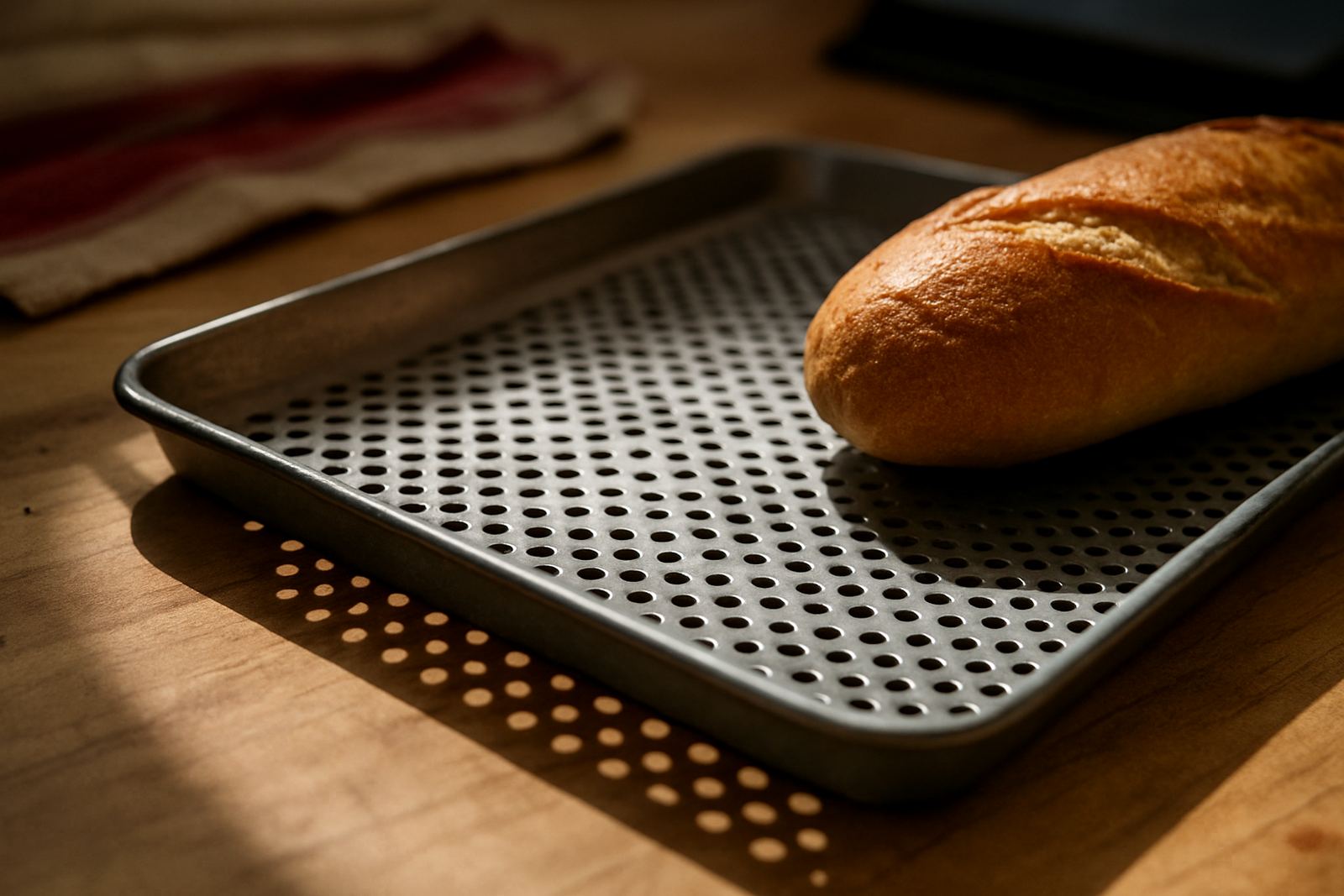
Tray perforating is another area where custom work makes a difference. Perforation can improve airflow and help with crust development, but only if the pattern suits the product and the oven. A tray that is perforated too lightly can still trap steam. One that is over-perforated may lose strength too quickly. Matching the tray to the bake is what matters, not just drilling holes for the sake of it.
For bakeries working in hot kitchens with load-shedding interruptions, practical handling matters too. A tray that stacks well, releases cleanly and survives repeated movement through the prep room will save more time than a cheaper item that needs babying.
A local example from Alrode to the rest of Gauteng
A bakery in Johannesburg South may start with a standard bread pan line, then add custom lids and heavier trays once production grows. That is common where orders begin in one suburb and spread into Alberton, Germiston, Boksburg and Midrand. A bakery that first supplied a few shops can suddenly be producing for school contracts, canteens or takeaway counters, and the old set-up no longer works cleanly.
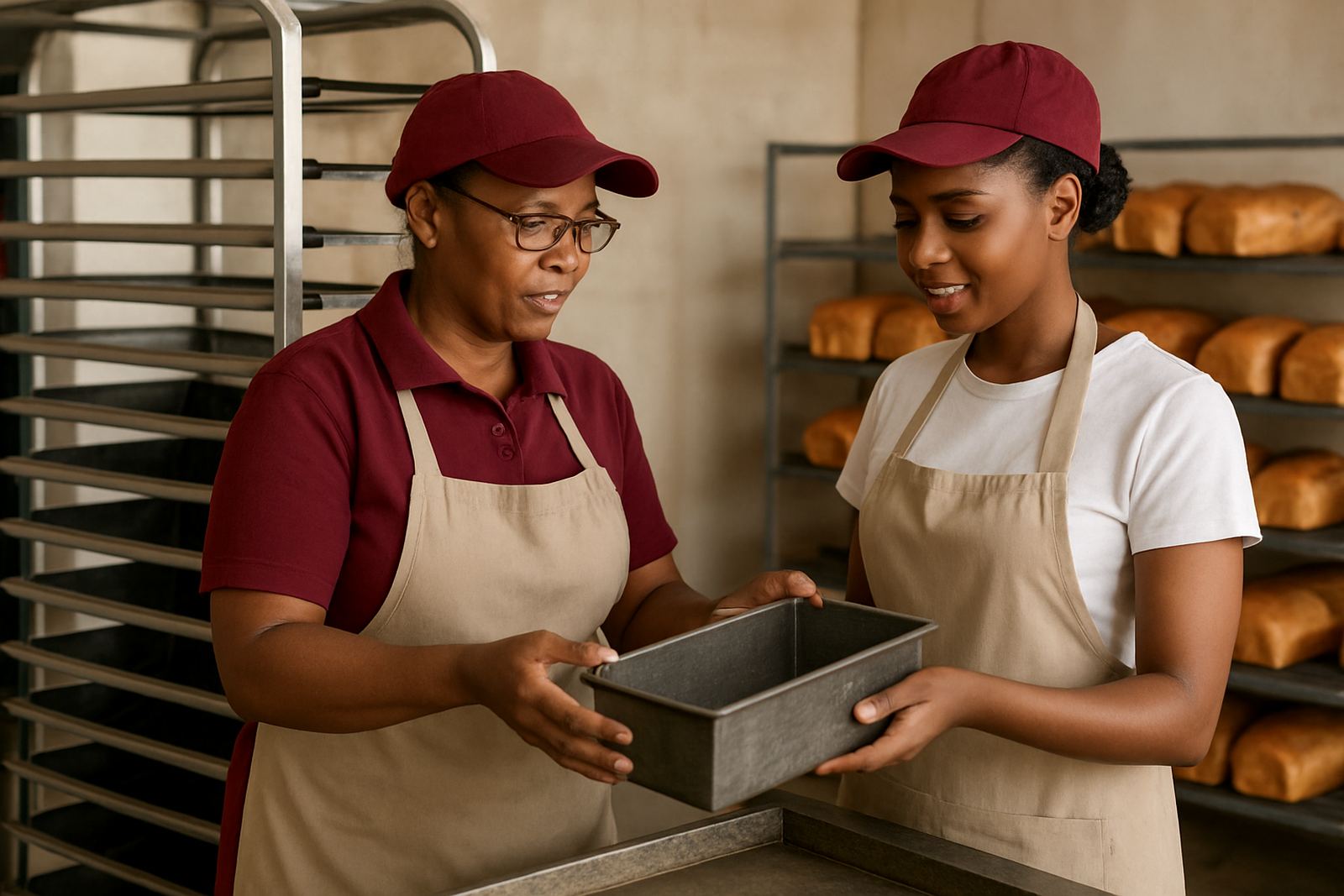
In one typical case, a team was using mixed pans with different lip heights. The loaves baked fine, but the packing crew lost time sorting by hand, and some lids sat off-centre. After matching the sizes and standardising the batch reorders, the line ran faster and the rejects dropped. No magic, just proper fit and a repeatable process.
The lesson is straightforward: if your equipment has become a workaround instead of a tool, it is probably time to customise.