Why seasonal planning matters before the rush starts
When orders climb, small delays become expensive. A bakery in Alrode can move from steady weekday output to full holiday production in a matter of days, and that means bread pans, lids, perforated trays and baguette trays need to be ready in the right sizes, in the right quantity, and on the right date.
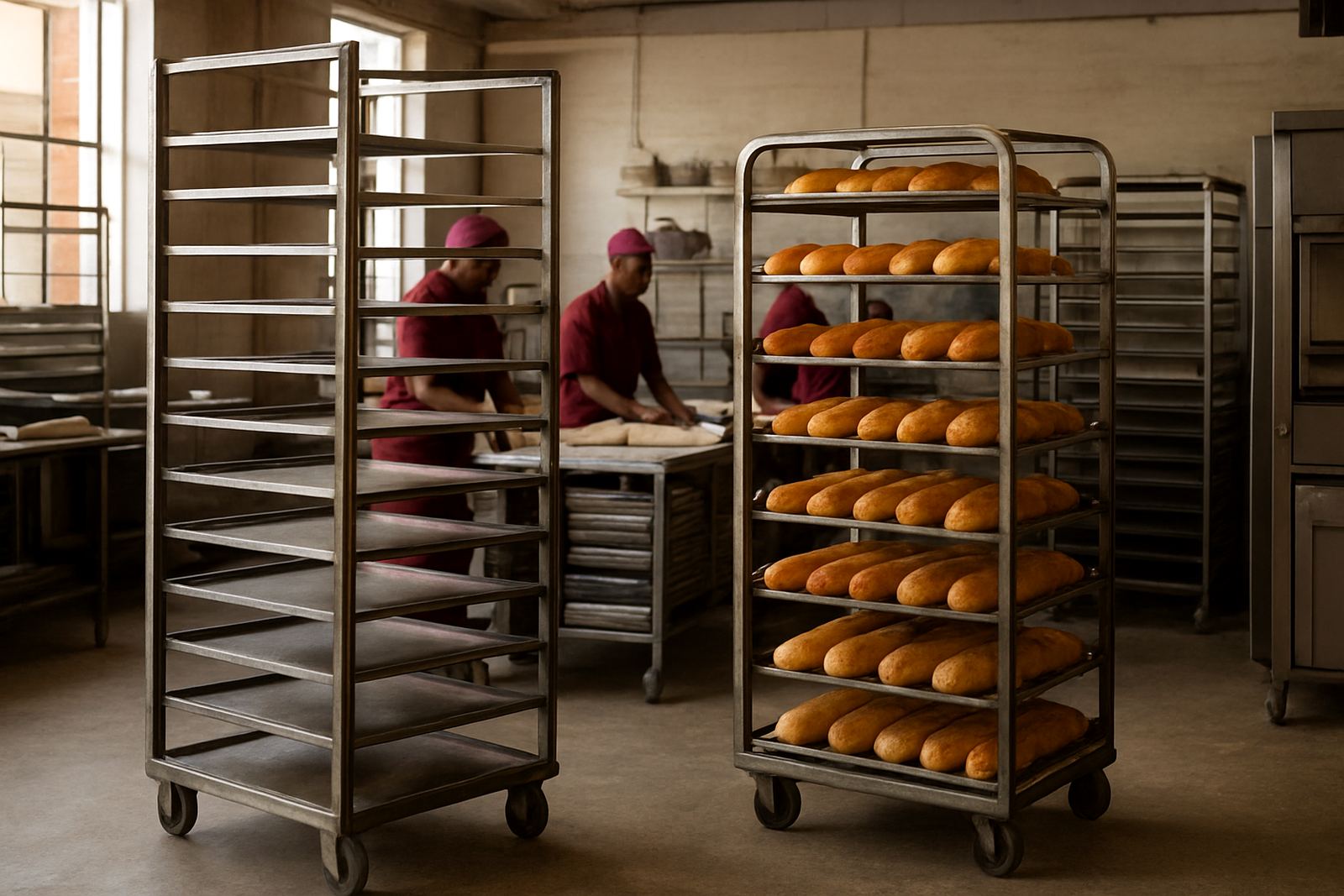
Seasonal planning is not only about having enough stock. It is about making sure your bakeware matches your oven layout, dough weight, proofing routine and dispatch schedule. If a tray is even a few millimetres off, it can slow loading, waste oven space, or leave staff forcing a fit during a busy shift.
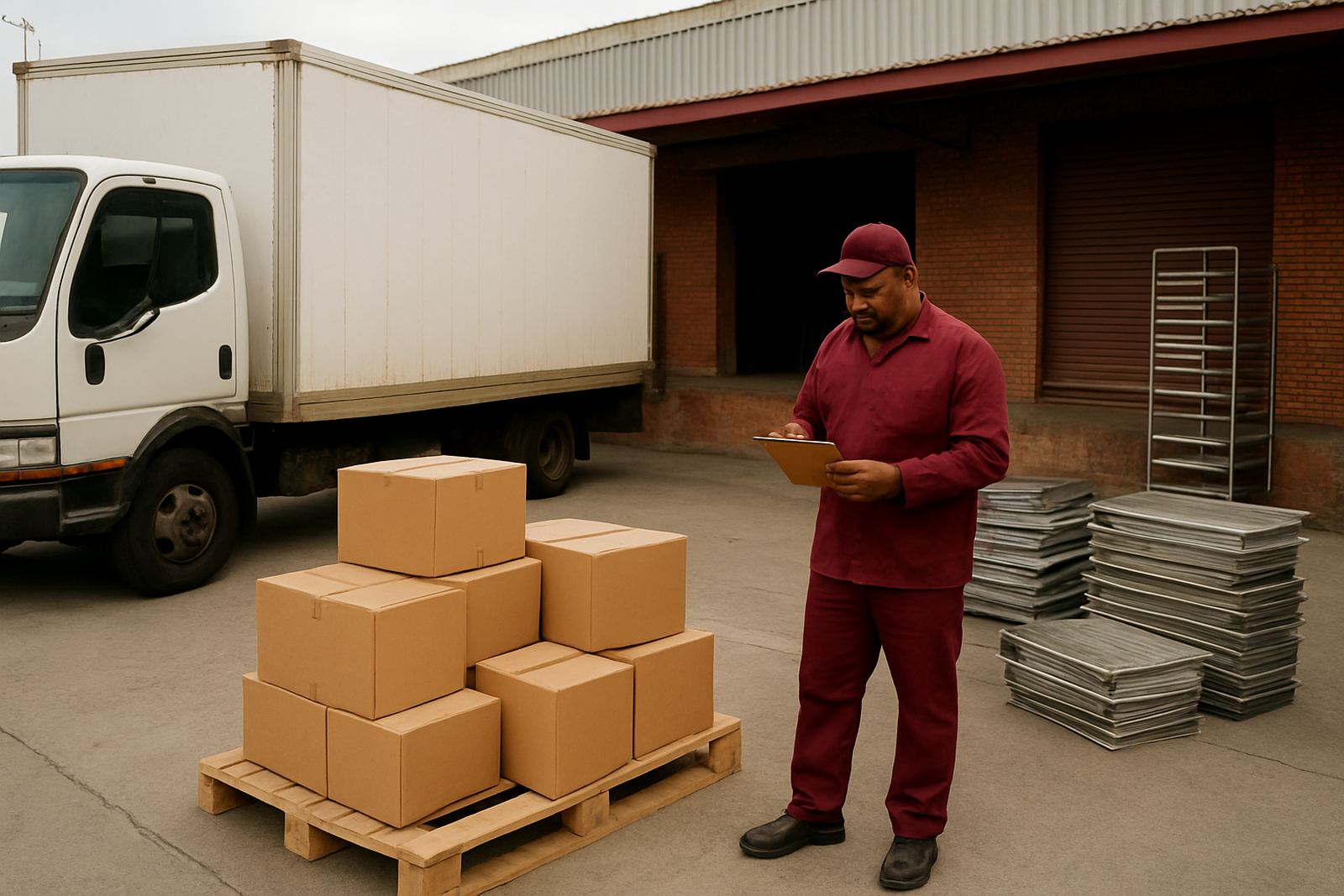
In Gauteng, demand often rises together across retail bakeries, contract caterers, school kitchens and event suppliers. That puts pressure on metal suppliers, transport and workshop time. Planning early gives you a better chance of keeping to your production plan instead of reacting after stock runs low.
Map your busy months and count back from them
Start with the dates that always bring pressure. For many businesses that means Easter, year-end, month-end catering work, school functions, church events and large family celebrations. Once those dates are listed, count back from the day you actually need the pans or trays in your bakery.
Allow time for measuring, confirmation, fabrication, any lid fitting or tray perforating, and transport into areas like Germiston, Boksburg, Midrand or Soweto. If you wait until your old trays start bending, you are already late.
- List every peak period for the next 6 to 12 months
- Mark the date stock must be in production, not just the delivery date
- Add time for approvals if a new size or copying sample is needed
- Keep a small buffer for last-minute orders and damaged returns
A good rule is to plan earlier for holiday periods than for normal reorders. Coastal humidity and heat are not the main issue in Gauteng, but high usage and frequent washing still wear down mild-steel items fast.
Check the pans and trays that carry the load
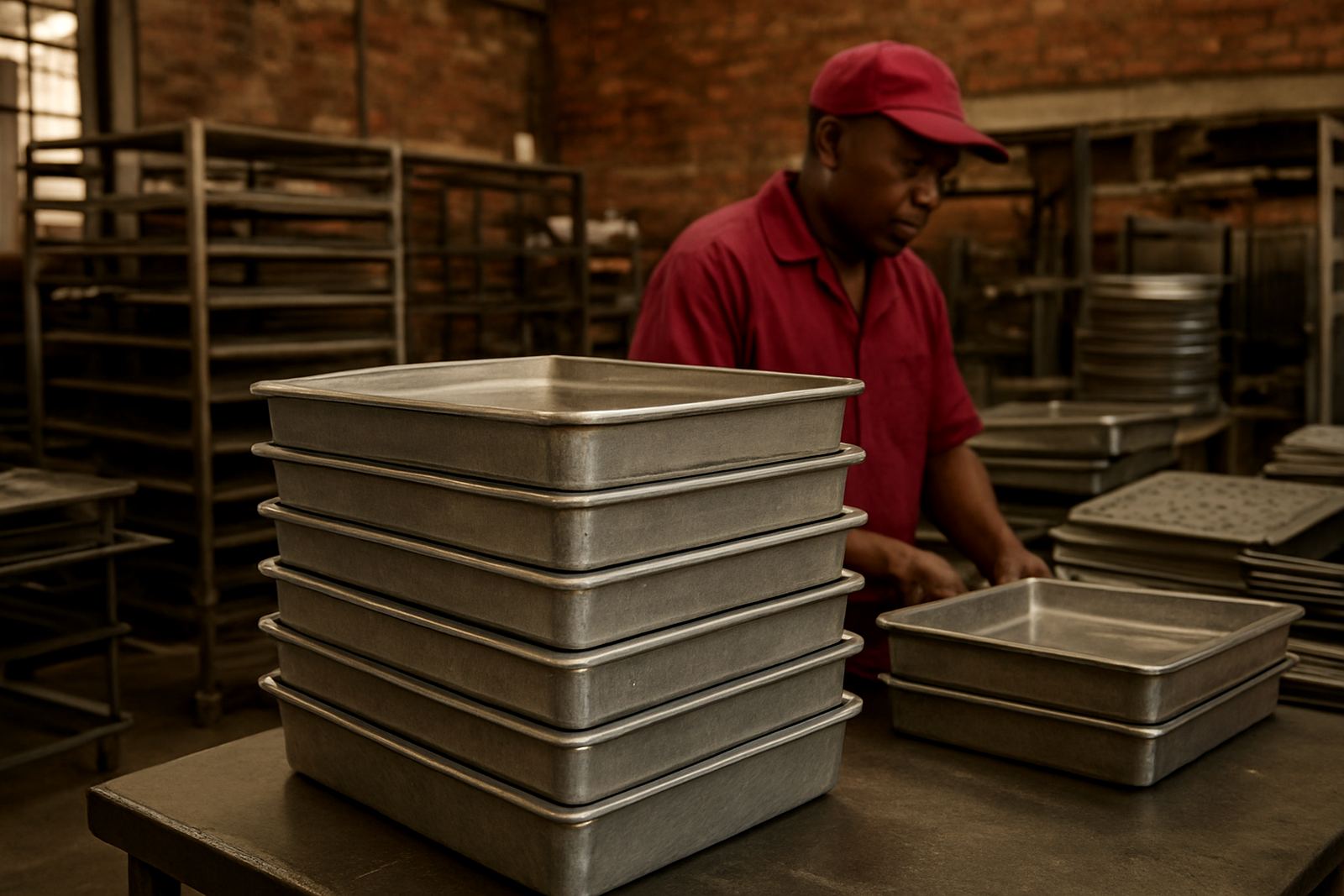
Before placing a seasonal order, walk the floor and look at what is actually being used. Count the bread pans that are dented, the lids that no longer sit properly, the perforated trays that sag, and the baguette trays that no longer hold shape. Ask the people on the line what slows them down most.
Some businesses only replace items after failure. That leads to uneven batch output and extra handling. A better approach is to identify the most used sizes and keep reorders ahead of wear. Heavy gauge builds are worth considering where trays are moved often, stacked high, or handled by different staff on long shifts.
- Check for warping, sharp edges and rust spots
- Measure internal dimensions, not only the outside size
- Confirm how many units are needed per oven cycle
- Review whether divider inserts or lids would reduce waste
If your team is working through load-shedding, every extra handling step counts. Keeping equipment matched to the process helps staff work faster when power and time are both tight.
Use samples, copying and size matching to avoid costly errors
Seasonal planning is the right time for pan copying and size matching. If you already have a tray or pan that works well, use it as the reference before demand increases. That avoids guesswork and helps keep production consistent across batch reorders.
Copying an existing pan is especially useful when the original supplier is no longer available, or the old tooling is worn. It also helps when a bakery has grown and needs a slightly stronger version for heavier use. A factory consultation can confirm whether a standard size will do the job, or whether a custom size is needed to suit your oven racks and proofing trolleys.
At Bakery & Catering Equipment in Alrode, the team handles size matching, lid fitting, tray perforating, baguette forming and prototype runs for bakeries across Johannesburg South and Gauteng. That matters when you are trying to prepare for a Christmas rush or a school contract and cant afford a trial-and-error order.
Build your reorder plan around real production volumes
Many businesses order by memory, which usually means they underbuy. A better method is to work from actual output. If you know how many loaves, rolls or baguettes you produce per shift, you can calculate how many pans and trays are needed for one run, then add cover for cleaning cycles, repairs and dispatch delays.
Use the same method for different product lines. Bread pans may need one replacement rhythm, while perforated trays and baguette trays need another. A caterer doing daily functions in Alberton may need a different stock mix to a wholesale bakery in Midrand, even if both use the same oven size.
- Base the order on weekly or monthly throughput
- Add spare units for peak weeks and back-to-back functions
- Separate normal stock from emergency cover stock
- Keep one contact person responsible for approvals and reorders
Clear planning also helps with dispatch. If the order is known early, collections and deliveries can be arranged without forcing the workshop into overtime, which is often where mistakes creep in.
A Johannesburg South example from the holiday run-up
Think of a bakery in Alrode supplying loaves to local shops and also taking tray bake orders for December. By early November, they check their bread pans, lids and baguette trays, then confirm which items need replacement before the year-end rush. One tray is copied for a newer oven line, several perforated trays are adjusted for better airflow, and extra stock is set aside for damage during the busy stretch.
That bakery is then ready when orders rise from Germiston, Boksburg and Soweto at the same time. Staff are not waiting on repairs, the oven load is predictable, and dispatch can keep up with the day. The difference is not magic, its timing.
For many South African operations, the lesson is simple. If December or Easter always puts pressure on your equipment, plan as early as you plan ingredients. The metal may not be the headline item, but it is what keeps the line moving.
A simple seasonal planning checklist you can use now
Once your busy period is identified, turn it into a working checklist. Keep it short enough for the production manager, sales team and dispatch coordinator to use without confusion.
- Confirm peak dates and expected volumes
- Inspect current pans, lids and trays for wear
- Decide what must be copied, resized or replaced
- Place batch reorders before pressure rises
- Allow time for prototype approval if needed
- Set a follow-up date for the next review
If you keep this process consistent, every season becomes easier to manage. The aim is not to overbuy, but to make sure your bakery has the right bakeware in hand when demand picks up and suppliers across Gauteng are under strain.