Why standard pans cut down first-week confusion
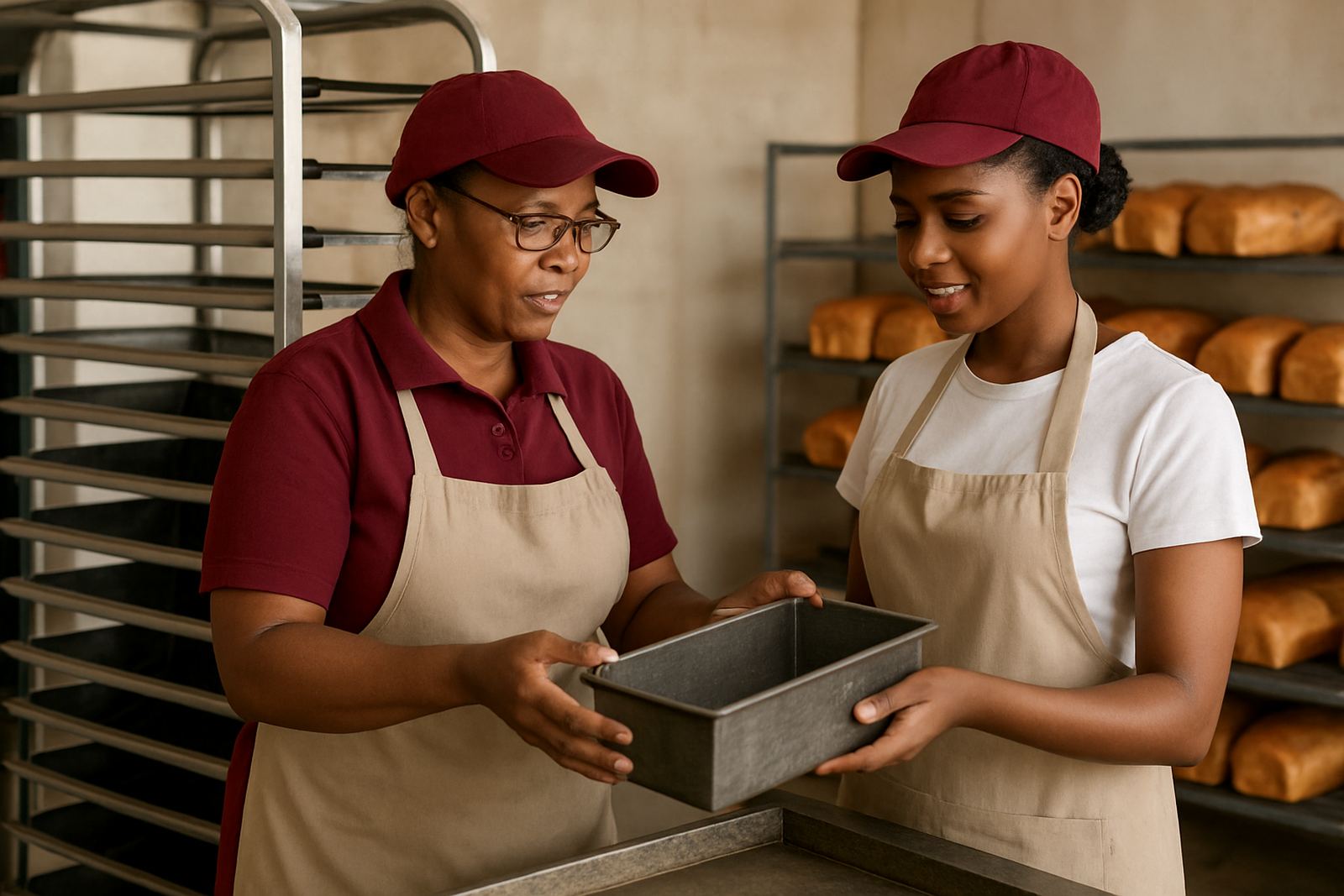
When a new baker starts on a Monday, the first challenge is not only mixing or shaping dough. It is learning which pan takes which mass, how full a tray should be, and how long a certain product needs in a particular oven. If the bakeware changes from batch to batch, training slows down and mistakes grow.
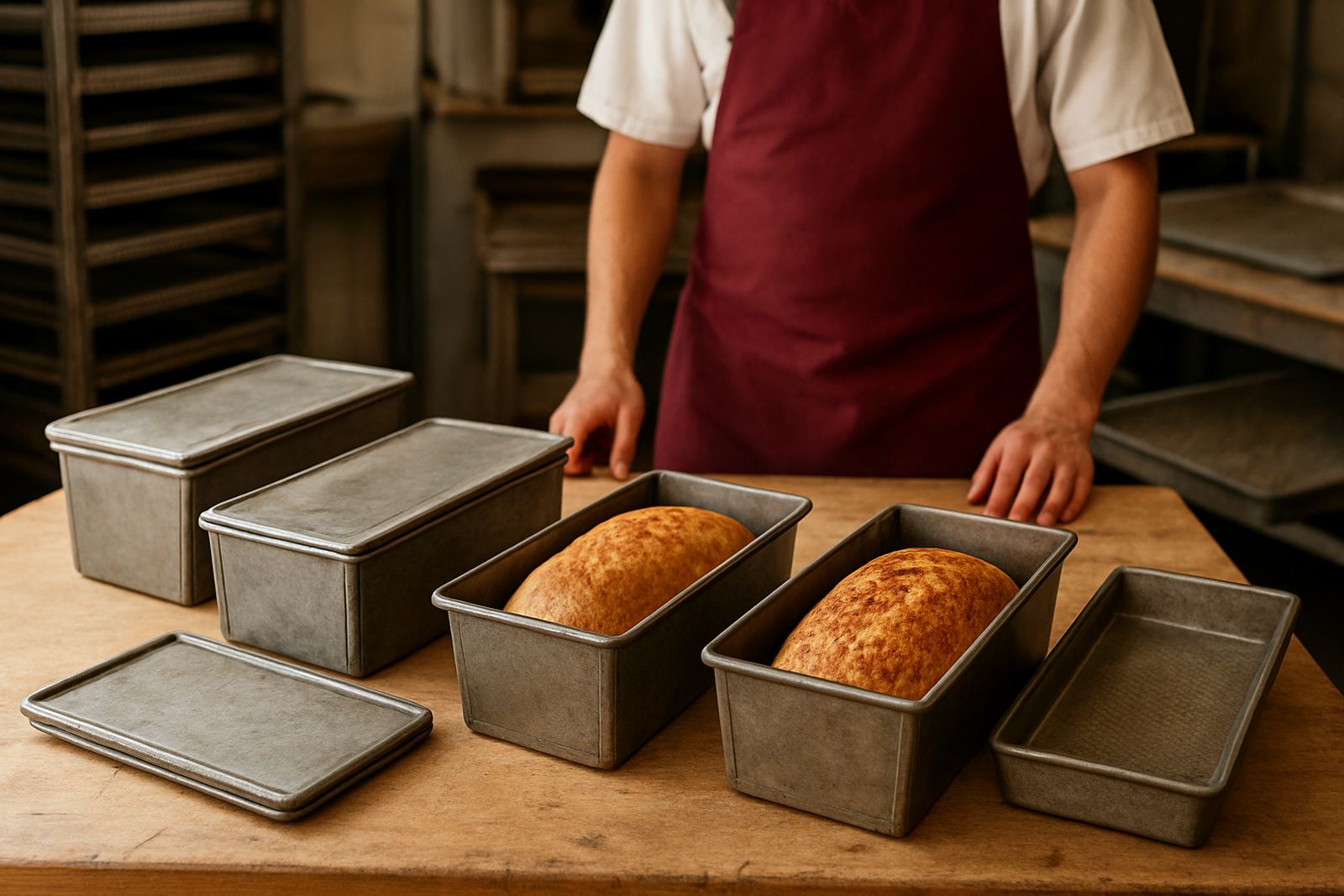
Standard BO3, BO4 and BO5 bread pans give staff a fixed reference point. The same goes for matching lids, perforated trays and baguette trays. A trainer can say, use this pan, fill to here, weigh it at this point, and the instruction stays the same on every shift. That helps in busy bakeries from Alrode to Soweto where one supervisor may train three people in a week.
- Less time spent explaining pan differences
- Fewer errors in dough weight and fill level
- Quicker handover between day and night teams
- Better control when temps or casual staff step in
Use the bakeware as part of the lesson
Training works best when the equipment forms part of the process, not just the end result. A trainee should learn how to line up trays, check lid fit, and place dough with the same rhythm each time. If the pan is too light, bent, or different in depth, the staff member may start judging by feel instead of by standard. That is where output drifts.
At a plant in Germiston, for example, one batch may be baked by a permanent team and the next by two new staff members after a public holiday. If the pans are all copied to the same size and the tray perforations are uniform, the instructor only has to focus on technique. It becomes easier to show what good looks like, and easier for the trainee to repeat it.
- Demonstrate dough weight against the pan rather than by eye
- Mark the correct fill height for each product
- Teach tray loading order so oven flow stays steady
- Check lid fit before proofing to avoid collapsed loaves
Why copied pans and fitted lids support control
Many bakeries have a mix of old stock, home-made adjustments and different supplier items. That is where training becomes messy. One pan may hold slightly more dough than the next, or a lid may sit loosely and let the loaf rise unevenly. A trainee who learns on mixed bakeware may carry those errors into daily work.
Pan copying solves that problem by keeping the shape and capacity the same across batches. Lid fitting adds another layer of control because the loaf rise stays predictable. In warmer months, especially near the coast, consistent lids and pans help reduce small changes caused by humidity. Around Johannesburg South and Alberton, they also help when ovens are under pressure during early morning production and load-shedding schedules force tighter planning.
When staff know the pan is correct, they can focus on dough condition, proving time and bake colour instead of second guessing the tool in their hand.
Training for trays, baguettes and speciality lines
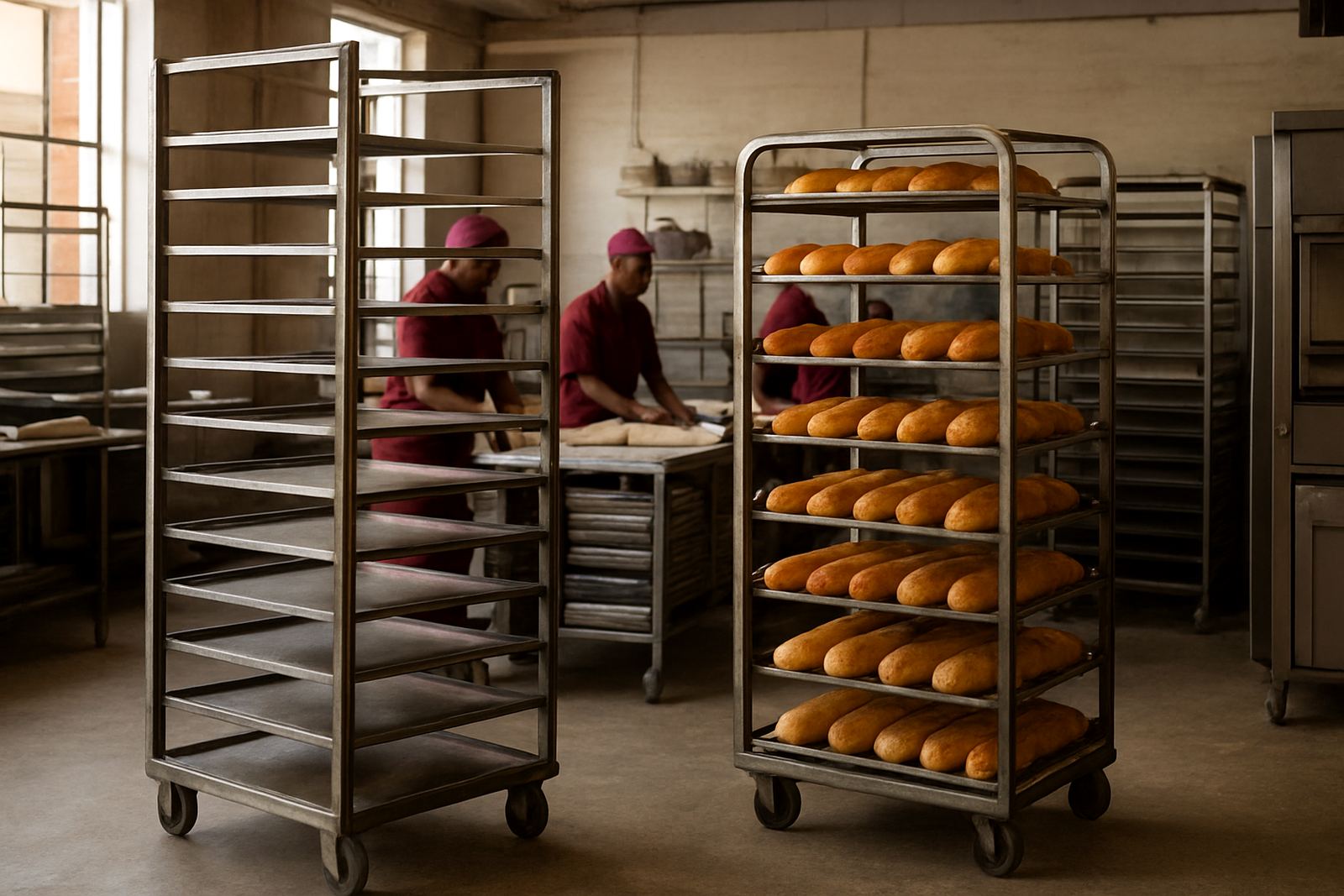
Not every bakery sells the same bread format. Some need perforated trays for airflow, others need baguette trays, divider inserts or heavier gauge builds for repeated daily use. New staff must learn each item properly because the handling is different. A perforated tray needs careful loading so product does not deform, while a baguette tray needs neat spacing and even transfer to the oven.
For bakeries in Midrand or Boksburg making mixed lines, training should include a short check list for each tray type. That keeps staff from using the wrong tray for the wrong product, which can affect crust, colour and shape. It also helps the dispatch team if tray counts and product codes are tied to the same standard setup.
- Show the correct tray type for each product line
- Explain spacing rules for baguettes and rolls
- Demonstrate safe lifting of heavier gauge items
- Record which tray goes with which batch sheet
Practical training rules that hold up on the floor
A good training system has to survive a hot production room, a late order and a staff member who is still learning the line. That means the rules must be simple. Keep each item in the same place, label the pan or tray family clearly, and teach one standard method for loading and checking. If a baker can move from one shift to another without relearning the basics, output stays steadier.
It also helps to run short refreshers after equipment changes or new batch orders. If the bakery adds divider inserts or changes the pan depth, the team should be shown the update before the next production cycle. Small adjustments can lead to waste if nobody is told. A few minutes of retraining can save a full tray of failed product, which every manager in Gauteng will want to avoid.
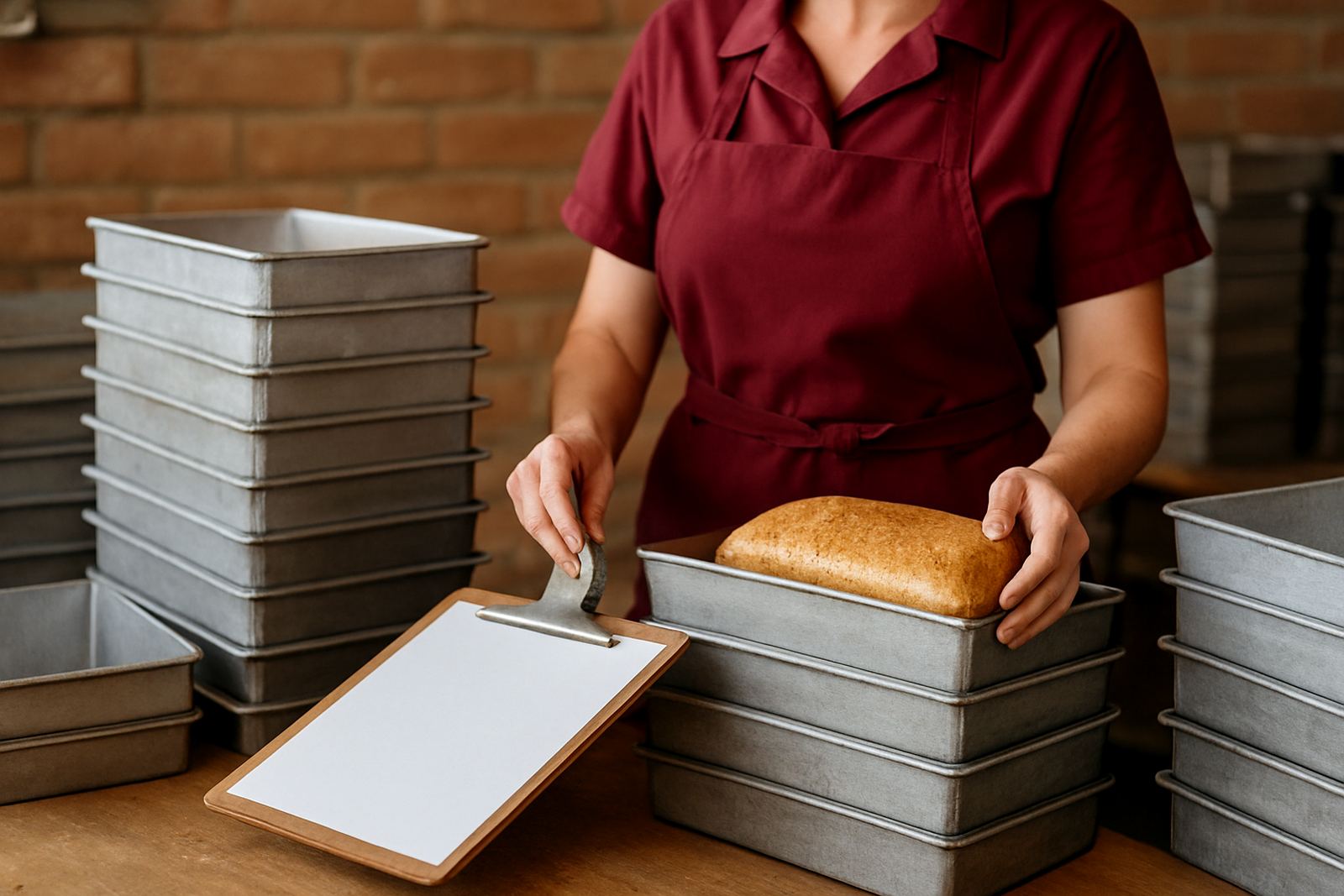
Keep a simple record of what was taught, who was trained and which pans or trays were used. That paper trail is not fancy, but it works.
A local example from first shift to full output
A bakery in Alrode brought in three new staff members ahead of a school contract and the biggest issue was not mixing dough, it was keeping the loaves the same from one rack to the next. The team had mixed pans from different runs, and the new staff kept overfilling a few tins while underfilling others. Training sessions were short and practical, using matched pans and fitted lids so the learners could see the same result each time.
Within a week the supervisor could focus on pace, hygiene and timing instead of correcting every tray. The bakery did not need a different method for each person, just better control of the tools. That kind of consistency matters in busy Johannesburg South bakeries where staff turnover and order spikes can land on the same day, sometimes before sunrise.
When the bakeware stays uniform, training becomes less stressful and the final product is easier to keep on spec.